






The Illusion of 'Spotless' Ice
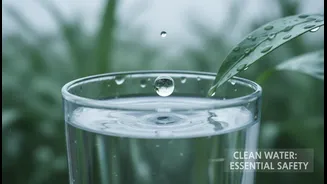
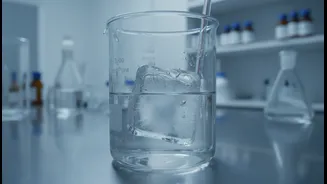
We often associate clarity with purity, but when it comes to ice, this is a dangerous misconception. The visual transparency of an ice cube has more to do with how it was frozen than the quality of the water used. Most bacteria, viruses, and chemical
contaminants are invisible to the naked eye. The freezing process itself does not kill most harmful pathogens like E. coli or Salmonella; it merely preserves them in a dormant state. When the ice melts in your drink, these microorganisms can become active again, posing a significant risk of foodborne illness. Therefore, an ice cube that looks perfectly clean can still be teeming with invisible threats, turning a refreshing drink into a health hazard.
The Critical Divide: Edible vs. Industrial Ice
A key reason for the heightened checks is the illegal diversion of non-edible ice into the food supply chain. There are two distinct types of ice: edible and industrial. Edible ice must be made from potable, clean drinking water, following strict hygiene standards. Industrial ice, however, is produced using non-potable water and is intended solely for cooling purposes, such as in fish markets or for industrial processes. Because it is far cheaper to produce, unscrupulous suppliers or vendors sometimes pass off this industrial ice as fit for consumption. To combat this, the Food Safety and Standards Authority of India (FSSAI) has mandated that all non-edible ice must be coloured blue to make it easily distinguishable from colourless, edible ice.
Invisible Dangers and Public Health
The health risks associated with contaminated ice are serious. Health experts warn that ice made from unsafe water can transmit a host of waterborne diseases, including gastroenteritis, typhoid, cholera, and hepatitis A. The contamination can originate from the water source itself, which might contain harmful bacteria and viruses, or from unhygienic practices during manufacturing, transport, and handling. Ice blocks are often dragged across dirty floors, transported in filthy sacks, and handled with unwashed hands, introducing pathogens at every step. At the food outlet, dirty ice-crushing machines, unwashed scoops, or storing the ice scoop inside the bin can further contaminate the supply.
Why Authorities Are Cracking Down Now
Recent food safety drives in cities like Hyderabad and Tirupati highlight a renewed focus on tackling food adulteration at its source. Task forces are conducting surprise inspections not just on restaurants but on the entire supply chain, including ice manufacturing units. In Maharashtra, the FDA has launched a statewide campaign for stricter compliance, which includes verifying water sources used by establishments. This crackdown is a response to the persistent problem of foodborne illnesses linked to contaminated water and ice, especially during warmer months when consumption of cold beverages soars. Regulators are making it clear that ensuring food safety goes beyond the kitchen and includes all raw materials, with water and ice being a top priority.
How to Stay Safe as a Consumer
While regulators are stepping up enforcement, consumers can also take steps to protect themselves. When in doubt, it is always safest to avoid ice in your drinks, particularly at smaller stalls where tracing the source of the ice is difficult. At more established restaurants, you can inquire if they use ice made in-house from filtered water. Be wary of ice that has a cloudy or discoloured appearance, though clear ice is no guarantee of safety. Another good practice is to choose bottled or canned drinks that are already chilled. Ultimately, being an aware and cautious consumer is your best defence against the invisible risks that may be lurking in your glass.