

The Protein Plateau Has Arrived
The boom in protein-fortified everything—from chips and biscuits to snack bars—was a game-changer for the Indian market. It successfully moved healthy snacking from a niche interest into the mainstream. A recent report highlighted that 86% of Indian consumers
consider protein an important factor when choosing a snack. However, as the market became saturated with high-protein options, the differentiator lost its edge. Consumers have realized that a high-protein claim doesn't automatically mean a snack is healthy. It can still be loaded with refined sugar, unhealthy fats, and artificial additives. This awareness marks a significant shift; while protein is still valued, it is no longer the sole benchmark for a healthy snack.
The Undeniable Rise of the 'Clean Label'
Today's savvy shopper is driven by a new mantra: the 'clean label'. This trend refers to a growing preference for products made with simple, natural, and easily understandable ingredients. A 2024 survey revealed that 73% of Indians now read ingredient lists and nutritional information before buying a snack, a habit fueled by rising health consciousness and concerns about food adulteration. Consumers are actively seeking products that are free from artificial preservatives, synthetic additives, and complex chemical names they cannot pronounce. This has led to nearly 60% of Indians opting for natural, additive-free products with wholesome ingredients like nuts, seeds, and whole grains. The message to brands is clear: transparency is the new premium.
From 'Free-From' to 'Functional'
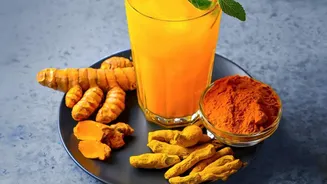
Beyond just avoiding 'bad' ingredients, consumers are now actively seeking out snacks that offer 'good' functional benefits. This means they want snacks that do more than just curb hunger; they want them to support long-term wellness. The demand for snacks that boost immunity, aid digestion, or provide sustained energy is growing rapidly. Ingredients like millets, championed by government initiatives, as well as traditional herbs like turmeric and ashwagandha, are finding their way into snack formulations to meet this demand. More than half of women surveyed have even expressed interest in snacks designed to support menstrual health, signaling a new frontier for specialized, functional nutrition.
Sugar, Sweeteners, and the Quest for Natural
Another major area of scrutiny is sugar content. As awareness about lifestyle disorders like diabetes increases, consumers are becoming wary of hidden sugars in so-called 'healthy' snacks. This has sparked a clear preference for natural alternatives. A recent report found that 61% of consumers would choose snacks sweetened with dates or jaggery over those with refined sugar. Brands are responding by reformulating their products to be low-sugar or by using natural sweeteners, making this a key battleground for winning over health-conscious buyers. The 'no added sugar' claim is becoming just as powerful, if not more so, than the 'high protein' tag.
Taste and Tradition Still Reign Supreme
Despite this health-driven evolution, one factor remains non-negotiable: taste. A healthy snack that fails the flavour test will not succeed in the long run. The Indian palate, accustomed to a rich tapestry of savoury and spicy flavours, demands indulgence even in its healthier choices. Brands are finding success by innovating within traditional formats, offering baked or roasted versions of classic 'namkeens' or launching millet-based snacks with familiar 'masala' flavours. Products like makhanas (fox nuts) and dry fruits have become healthy snacking favourites, chosen by 67% of Indians because they offer both nutrition and a satisfying taste and texture. This proves that the most successful products will be those that strike the perfect balance between modern nutritional science and timeless taste.