

From Side-Liner to Star Ingredient
For years, mushrooms in India were mostly relegated to a side role. They were a common, if uninspired, topping on a pizza, a filler in a fried rice, or one of many vegetables in a mixed curry like Kadai Mushroom. While delicious, these dishes rarely allowed
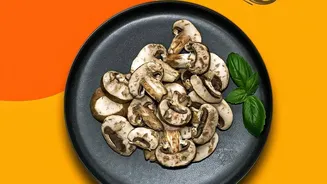
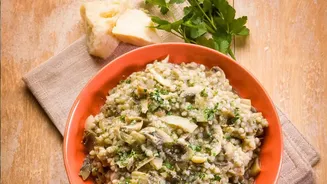
the mushroom's unique character to shine. Now, chefs in urban centres like Mumbai, Delhi, and Bengaluru are reimagining its potential. The mushroom is no longer just another vegetable; it's the main event. We’re seeing it celebrated in dishes like creamy wild mushroom risotto, hearty portobello burgers, and sophisticated wild mushroom tartines on sourdough toast, where its deep, earthy flavour is the undisputed star of the show.
The Gourmet Fungus Arrives
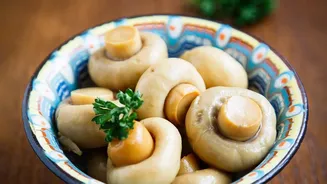
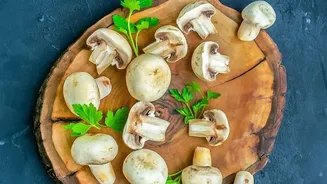
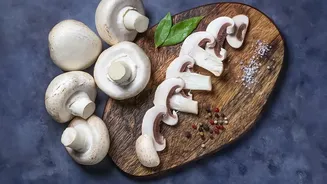
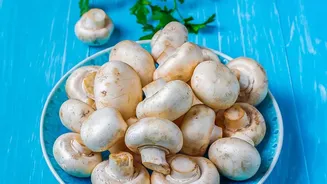
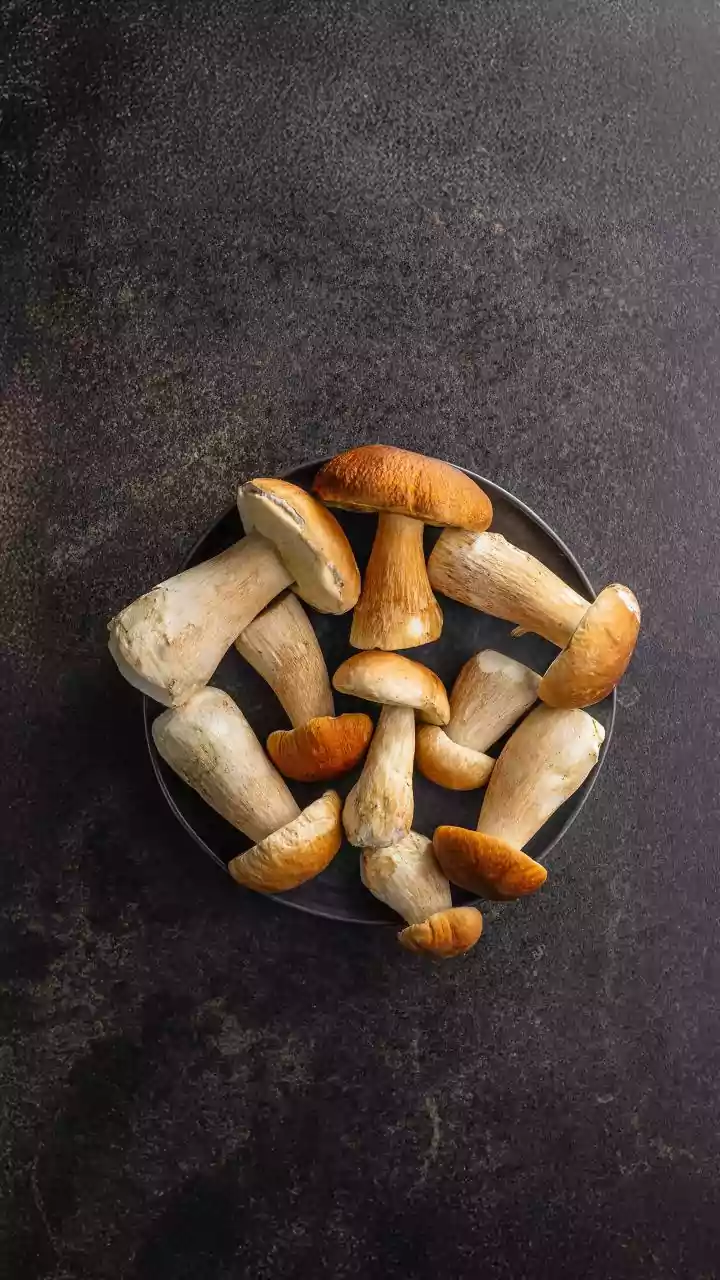
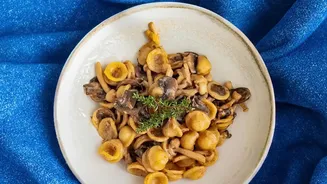
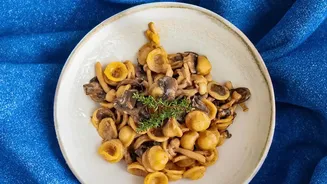
This transformation is powered by the increased availability of diverse, gourmet mushroom varieties, moving far beyond the standard button mushroom. Speciality farms in and around major cities are now cultivating varieties like shiitake, oyster, portobello, and even king oysters. This has given chefs a much richer palette to work with. Shiitakes offer a smoky, umami-rich depth perfect for Asian-inspired bowls and broths, while meaty portobellos make for a satisfying vegetarian burger patty. Then there is the truffle, the so-called “diamond of the kitchen”. The scent of truffle oil, though sometimes a synthetic imitation, has become a hallmark of modern café fare, lacing everything from french fries to pasta and signifying a touch of everyday luxury for diners.
Why Now? The Roots of the Trend
Several cultural shifts are fuelling this mushroom boom. A growing number of urban Indians are adopting vegetarian, vegan, or flexitarian diets for health and ethical reasons, and mushrooms provide a fantastic, texturally satisfying meat substitute. In a country with a large vegetarian population, the demand for innovative, plant-based options is higher than ever, with the Indian vegan food market projected to grow significantly. Health consciousness is another major driver. Mushrooms are low in calories and fat but rich in protein, fibre, and essential vitamins, making them a nutritional powerhouse. Furthermore, improved local supply chains and cultivation techniques are making what was once a niche, expensive ingredient more accessible and affordable for cafes and home cooks alike.
A Taste of the New Cafe Menu
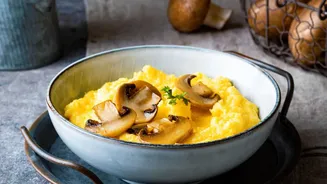
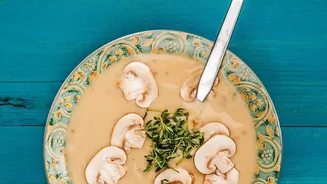
The café menu across urban India reflects this newfound appreciation. Breakfast and brunch menus feature creamy mushroom on toast and savoury mushroom-filled omelettes. Lunch might be a hearty mushroom soup, a robust mushroom and leek pie, or a delicate mushroom quiche. For dinner, options have expanded from Indian classics like Mushroom Chettinad to global comfort food like Mushroom Stroganoff. Even beverages are getting a fungal twist, with mushroom coffee—blending coffee with powdered medicinal mushrooms like lion's mane or reishi—gaining traction among wellness-focused consumers for its purported health benefits, like reduced stress and improved focus.