







The New Era of Unpredictable Travel
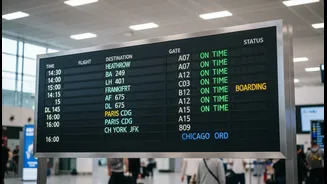
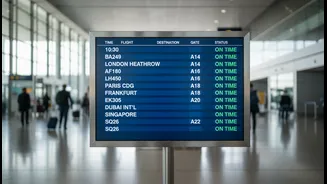
For anyone who has travelled recently, the scene is painfully familiar: crowded terminals, endless queues, and the constant checking of departure boards for the dreaded red 'DELAYED' or 'CANCELLED' text. The summer of 2026 is proving to be another challenging
season for air travel. In the first half of July alone, thousands of flights were delayed or cancelled across major hubs, driven by a combination of summer thunderstorms, air traffic control constraints, and cascading crew and aircraft rotation issues. This isn't a one-off event but part of a sustained period of disruption that has now stretched across nearly 100 days. In India, similar scenes unfolded in late 2025 and early 2026, with major carriers facing operational challenges that left thousands of passengers stranded and damaged consumer confidence in the domestic market.
The Hidden Cost of a 'Bargain' Fare
The sticker price of a flight is only part of the story. A cheap ticket can quickly become expensive when things go wrong. Unexpected costs pile up, from last-minute hotel stays and meals during an extended delay to the irreversible loss of non-refundable hotel bookings and tour payments at the destination. Beyond the financial toll, there is the significant cost of stress and lost time. For business travellers, a missed meeting can mean lost opportunities. For leisure travellers, it can mean a holiday cut short before it even begins. As a result, the mental calculus for booking a flight is changing. The perceived value of an ultra-low-cost ticket diminishes rapidly when weighed against the high probability of disruption and the associated consequences. Academic studies confirm this shift, showing that increases in flight delays negatively impact consumer choice and that the welfare costs of these delays can be substantial.
What 'Value' Means to Passengers Now
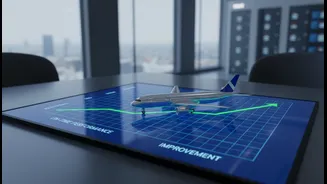
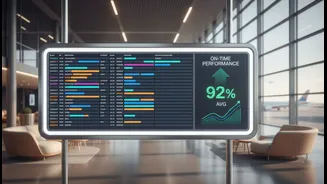
In this new landscape, 'value' is being redefined. While price remains a major factor for most, it is no longer the only one. A 2026 report noted a significant trend: fewer people are willing to book budget airlines, while comfort is a rising decision-making factor. Travellers are increasingly demonstrating a willingness to pay a premium for a smoother, more reliable journey. This includes prioritizing airlines with better on-time performance records, which can command higher fares. Other sought-after features include flexible booking policies that allow for changes or cancellations without hefty fees, a remnant of pandemic-era travel that passengers are unwilling to give up. Furthermore, responsive and accessible customer service has become critical. With disruptions common, travellers want assurance that they can get help quickly, with many now favouring digital channels like mobile apps and social media to resolve issues.
Booking Smarter in an Unreliable Age
Navigating the current travel environment requires a strategic shift. Rather than simply chasing the lowest price, experienced travellers are adopting a more defensive booking strategy. This starts with research: checking an airline's recent on-time performance and cancellation statistics before booking. Booking the first flight of the morning is another popular tactic, as these flights are less susceptible to the cascading delays that build up throughout the day. Many are also choosing to book directly with airlines, as it can be easier to manage re-bookings and seek assistance during a disruption compared to going through third-party sites. Using airline apps is essential for getting real-time updates and accessing self-service rebooking tools, often allowing passengers to secure a new flight before even speaking to an agent. Finally, comprehensive travel insurance is no longer an optional extra but a crucial component for protecting the financial investment of a trip.
Are Airlines Getting the Message?
The airline industry is at a crossroads. While budget carriers continue to compete fiercely on price, major airlines are increasingly focusing their business models on higher-paying premium passengers. They are investing heavily in business-class products, luxurious lounges, and enhanced amenities, creating a wider gap between the front and back of the plane. For economy travellers, this can mean more ancillary fees for things like seat selection and checked bags, which can quickly erode the savings of a cheap base fare. However, some airlines are recognizing that reliability is a key differentiator. The post-pandemic era has spurred a wave of technological adoption, with carriers using AI and automation to streamline everything from check-in to maintenance predictions. The challenge remains whether these improvements in efficiency will translate into a more reliable and less stressful experience for the everyday traveller.