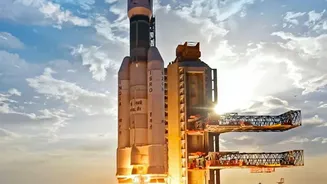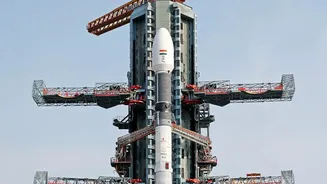






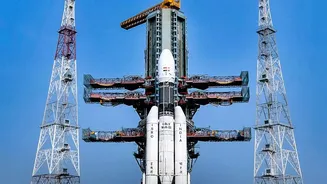


The New Space Race is Private
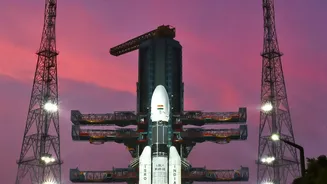
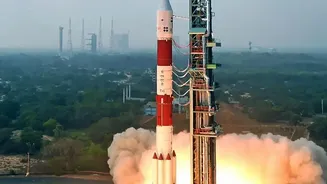
For decades, India’s space journey was synonymous with the Indian Space Research Organisation (ISRO). Today, the landscape is transforming at lightning speed. Following landmark policy reforms in 2020 and the establishment of the Indian National Space Promotion
and Authorisation Centre (IN-SPACe), the private sector has been given a clear launch window. IN-SPACe acts as a single-window agency, helping private companies get the authorisations and access to ISRO facilities they need to innovate. This has led to a dramatic surge in entrepreneurship, with the number of space startups growing from just one in 2014 to over 400 by 2026. Companies like Skyroot Aerospace, Agnikul Cosmos, and Pixxel are now major players, attracting hundreds of millions of dollars in investment and building everything from private rockets to advanced satellite constellations. This shift is creating a vibrant new ecosystem where a space career is no longer limited to a government job.
Downstream Data: The Earth-Facing Jobs
Some of the fastest-growing careers in the space industry don't involve going to space at all. They involve using the vast amounts of data that satellites send back to Earth. These 'downstream' roles are crucial for turning satellite imagery and signals into actionable insights for sectors like agriculture, urban planning, and disaster management. Companies like SatSure, for example, use this data to provide analytics for agricultural lenders and climate monitoring. This has created a high demand for Satellite Data Analysts, who interpret this information, and Remote Sensing & GIS Experts, who use geospatial tools to solve real-world problems. If you have skills in data science, machine learning, or software development with languages like Python, you are highly sought after for these roles. It's a field where a background in computer science or geography can be just as valuable as one in aerospace.
Upstream Innovation: Building the Hardware
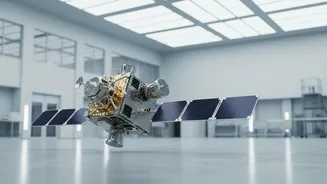
While data is a huge part of the new space economy, there's also a revolution happening in building the actual hardware, known as the 'upstream' sector. Private Indian companies are now designing and manufacturing their own launch vehicles and satellites. This creates opportunities for engineers beyond traditional aerospace. Mechanical and electronics engineers are needed for satellite systems and launch vehicle design. Furthermore, the rise of small satellites, or 'smallsats,' and advanced manufacturing techniques have opened doors for 3D Printing Specialists and experts in robotics and automation. Companies like Dhruva Space in Hyderabad and Bellatrix Aerospace in Bengaluru are actively hiring for roles in propulsion, embedded systems, and satellite integration.
The Business of the Cosmos
A thriving industry needs more than just engineers and scientists. As the space sector commercialises, it has created a parallel boom in non-technical roles that are essential for growth. The complex web of international treaties, national policies, and commercial contracts has given rise to the need for Space Lawyers, who specialise in this niche regulatory environment. With private investment surging past $600 million, a new class of venture capitalists and finance professionals is emerging with a focus on funding the next wave of space-tech startups. Moreover, these startups need to market their services and build partnerships, creating jobs for Business Development and Marketing professionals who can tell their story. Even creative roles like visual designers and communicators are in demand at startups like Dhruva Space. These positions show that you don't need a technical degree to be part of India's space future.
Skills for a Stellar Career
To break into this burgeoning industry, a blend of core and new-age skills is key. While degrees in aerospace, mechanical, and electronics engineering remain a primary pathway, the private sector's needs are much broader. Proficiency in programming languages like Python and C++, experience with data analysis and machine learning, and knowledge of simulation tools like MATLAB are highly valued. For non-engineers, skills in business analysis, market research, or policy can be a strong entry point. Perhaps most importantly, private companies look for hands-on experience. Participating in student satellite projects (CubeSat), model rocketry teams, or securing an internship can significantly boost your profile, as startups value practical problem-solving skills.