




A Craving for Authenticity
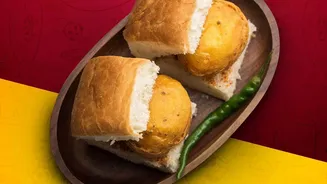
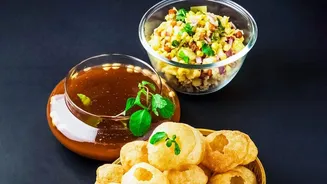
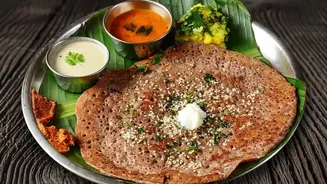
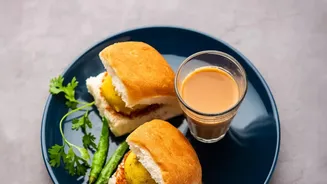
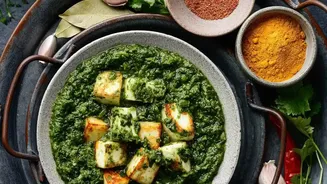
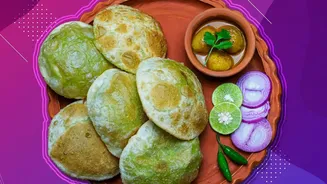
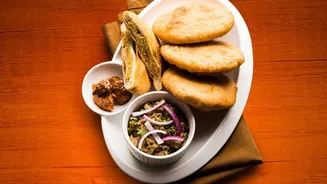
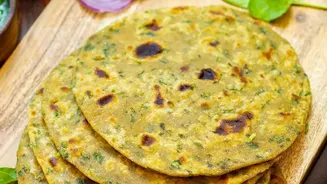
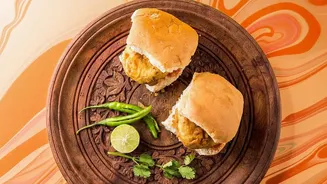
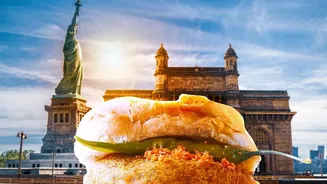
Today’s Indian consumer is looking for more than just a meal; they are seeking an experience rooted in authenticity. Smaller, local brands have a distinct advantage here. They often specialize in regional cuisines and traditional recipes that resonate
with a desire for familiar, home-like flavours. Unlike large national chains that standardize their menus, local brands can offer unique dishes that tell a story about a specific culture or community. This connection to heritage builds a strong sense of trust and loyalty. Consumers are increasingly drawn to brands that feel genuine, using locally sourced ingredients and preserving culinary traditions that might otherwise be lost in mass-market production.
The Digital Dining Table
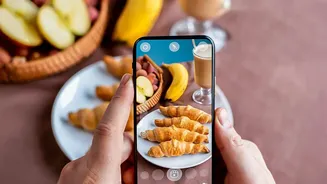
Technology has been a great equalizer for smaller food businesses. Social media platforms like Instagram and YouTube have become powerful tools for brand building, allowing local players to showcase their food and story with vibrant visuals and engaging content. A well-placed post from a food blogger or an influencer can generate significant buzz and drive sales, often at a fraction of the cost of traditional advertising. Furthermore, the explosion of online food delivery platforms has given these brands unprecedented reach. A small kitchen can now serve a wide customer base across a city without the need for expensive physical restaurant space, leveling the playing field significantly.
Health and Hyper-Awareness
The modern consumer is more health-conscious than ever, a trend accelerated by the pandemic. There's a growing demand for food that is not only tasty but also healthy, hygienic, and made with transparently sourced ingredients. Local brands are often better positioned to meet this demand. Many build their identity around organic, natural, or freshly made products, from high-protein snacks to plant-based meals. They can communicate their commitment to quality and safety directly to customers, building a narrative of trust that larger, more impersonal corporations sometimes struggle to achieve. This focus on wellness aligns perfectly with the priorities of a growing segment of the urban population.
The Power of D2C and Local Pride
The rise of the Direct-to-Consumer (D2C) model has empowered hundreds of entrepreneurs to launch food brands from their own kitchens and workshops. By selling directly through their own websites or social media, they control the customer experience and build a loyal community around their products. This trend is supported by a growing sentiment of 'vocal for local,' where consumers feel a sense of pride and community in supporting smaller, homegrown businesses. This shift is not just about economics; it's about identity. Choosing a local brand is seen as a vote for the local economy and for a more diverse and interesting food landscape.
Navigating the Challenges
Despite their growing popularity, the path for small food brands is not without its obstacles. Scaling up production while maintaining quality and consistency is a major hurdle. Competition is fierce, not only from established giants but also from a crowded market of other startups. Supply chain logistics, funding, and marketing can be significant challenges for entrepreneurs who often wear multiple hats. While the organised food service market is growing, a large majority of brands still operate on a smaller scale, highlighting the difficulty of breaking into the big leagues. Success requires not just a great product, but also sharp business acumen and a clear strategy for growth.