



The All-Important Fiber Factor
The single biggest difference between drinking juice and eating fruit lies in one crucial component: dietary fiber. When you eat a whole fruit, you consume both soluble and insoluble fiber found in its pulp and skin. This fiber is essential for good digestion,
a healthy gut microbiome, and promoting regular bowel movements. The process of juicing, whether cold-pressed or not, separates the liquid from the pulp. This means the vast majority of that beneficial fiber is discarded. While some soluble fiber might remain, the significant gut health and digestive benefits are largely lost. Fiber is what makes fruit a filling and satisfying snack. Without it, you are consuming a very different product.
Myth: All Fruit Sugar is the Same
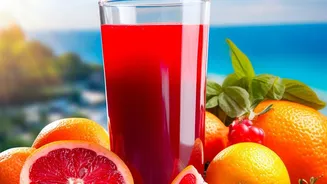
A common myth is that the sugar in juice is identical to the sugar in fruit. While the sugar (fructose) originates from the same place, the way your body processes it is dramatically different. In a whole fruit, the sugar is bound within a fibrous structure. This fiber acts like a natural brake, slowing down the absorption of sugar into your bloodstream. The result is a gradual, gentle rise in blood glucose levels. Conversely, when you drink juice, the fiber is gone. The sugar is 'free' and hits your bloodstream all at once, causing a rapid spike in blood sugar. This can lead to an insulin surge, and for some, a subsequent crash that leaves you feeling hungry and irritable sooner.
The Nutrient Preservation Question
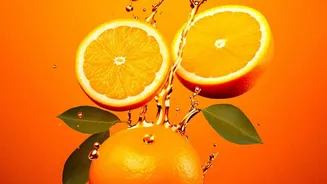
Proponents of cold-pressing argue that because no heat is used, more vitamins, minerals, and enzymes are preserved compared to traditional centrifugal juicing. While it's true that the cold-press method avoids the heat and oxidation that can degrade some nutrients, it's not a complete picture. Some vital nutrients and antioxidants are bound to the fiber in the pulp and skin, which are removed during juicing. For example, much of the beneficial flavonoids in an orange are found in the pulp, not just the juice. Furthermore, even cold-pressed juice begins to lose its nutritional value over time. Some studies show significant nutrient loss within 24 to 72 hours, even when refrigerated.
Satiety and Calorie Consumption
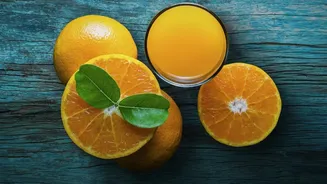
Have you ever noticed you can drink the juice of three oranges in a minute, but eating three whole oranges would be a challenge? This highlights the difference in satiety—the feeling of fullness. The act of chewing a whole fruit sends signals to your brain that you're eating, and the fiber content helps you feel full for longer. Juice, being a liquid, is consumed quickly and provides very little satiety. This makes it easy to consume a large number of calories and a high amount of sugar without feeling satisfied, which can contribute to overconsumption and weight gain over time.