

The Kitchen Becomes the New Restaurant
Across India, a quiet but delicious revolution is taking place. Kitchens that were once the domain of everyday staples like dal, sabzi, and roti are now turning into ambitious culinary labs. Home cooks, armed with curiosity and a desire for quality, are no longer
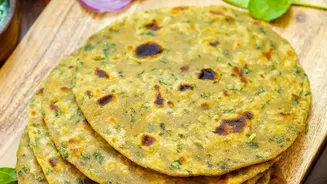
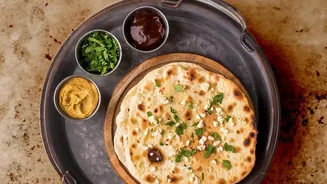
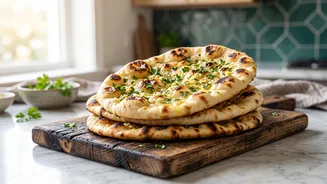
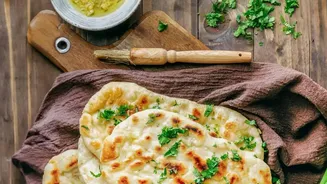
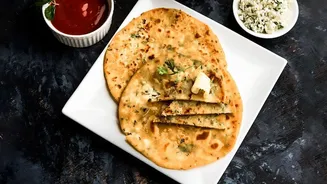
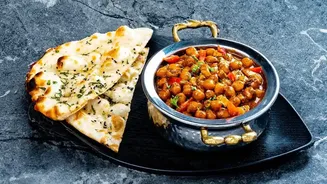
content to leave complex dishes to the professionals. They are tackling recipes once considered the exclusive territory of restaurants, from rich gravies to, most notably, a variety of Indian breads. The humble tawa is now being used to create soft, fluffy naan, and pans are sizzling with Amritsari-style stuffed kulchas, filled with everything from spicy potatoes to paneer. This trend goes beyond mere imitation; it's about reclaiming ownership of classic dishes and proving that restaurant-quality results are achievable at home.
What's Driving the Homemade Trend?
Several factors are fuelling this shift. The lockdowns during the pandemic turned many people into home chefs, boosting their confidence and skills. This period of experimentation made many realise that with a little guidance, even complex recipes were within their reach. Social media has also played a monumental role. Platforms like Instagram and YouTube are filled with food bloggers and chefs who break down intimidating recipes into simple, step-by-step videos. They demystify techniques and offer clever hacks, making the entire process feel less daunting. Furthermore, there is a growing consciousness around health and hygiene. Preparing food at home allows for complete control over ingredients, from the type of flour used to the amount of oil and butter, aligning with a broader trend towards healthier eating. Finally, the rising cost of dining out makes an evening of gourmet home cooking an attractive and budget-friendly alternative.
Demystifying the Tandoor
The biggest psychological barrier to making breads like naan and kulcha at home has always been the absence of a tandoor, the traditional clay oven that can reach incredibly high temperatures. Restaurants use the tandoor's intense heat to cook breads in minutes, creating a unique texture that's crispy on the outside and soft inside. However, inventive home cooks have discovered brilliant workarounds. One popular method involves using a cast iron tawa or skillet. The dough is stuck to the hot surface, and once bubbles appear, the entire tawa is flipped upside down over an open flame to mimic the radiant heat of a tandoor. Others use inverted pressure cookers or preheated pizza stones in a conventional oven to achieve a similar effect. These techniques prove that you don’t need professional equipment to produce delicious, puffy, and perfectly charred flatbreads.
A World of Breads Beyond Naan
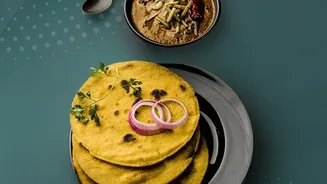
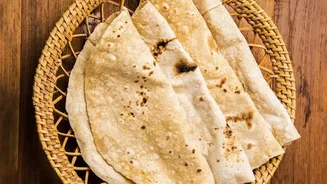
While naan and kulcha are leading the charge, the spirit of experimentation doesn't stop there. Home cooks are exploring a wide array of regional and restaurant-style breads. Recipes for lachha paratha, with its countless flaky layers, are gaining popularity, as are those for the paper-thin Rumali Roti, once considered one of the most difficult breads to master at home. By using a mix of whole wheat and refined flour, and kneading with milk for extra softness, home chefs are achieving that signature handkerchief-like texture. The availability of detailed recipes and video tutorials online has empowered people to try their hand at breads they may have only ever eaten in speciality restaurants or during celebrations, expanding their culinary repertoire far beyond the everyday chapati.
The Ultimate Reward: Flavour and Satisfaction
Ultimately, the trend is about more than just food; it's about the deep satisfaction that comes from creating something special with your own hands. There is a unique joy in serving a hot, butter-laden kulcha straight from the pan to your family, a pleasure that ordering in can't quite match. Cooking at home allows for personalisation—adjusting the spice in the filling, adding extra garlic to the naan, or using healthier oils. It transforms a meal into an experience. The pride of mastering a dish once thought too difficult, combined with the unparalleled taste of freshly made bread, is a powerful reward that keeps home cooks coming back to their kitchens, ready for the next culinary challenge.