






The Underrated Power of a Classic Fruit
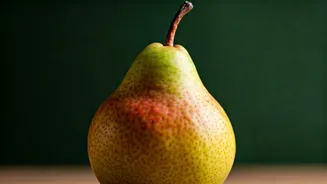
In a world chasing the next expensive superfood, it’s easy to overlook the classics. Yet, the pear, a fruit enjoyed for centuries, is making a comeback as a quiet hero in the wellness space. It’s not because of a flashy new study, but a growing appreciation
for simple, accessible foods that deliver powerful health perks. Pears are affordable, readily available across India—from the soft, green Bartlett to the crispier 'Nashpati'—and their nutritional profile rivals many of their more exotic counterparts. They are a reminder that eating well doesn't have to be complicated or break the bank. This renewed interest is all about rediscovering the potent benefits packed into this everyday fruit.
A Powerhouse for Your Gut Health
One of the biggest reasons for the pear's rising fame is its incredible fiber content. A single medium-sized pear contains about 6 grams of fiber, which is more than 20% of the daily requirement for many adults. This includes soluble fiber like pectin, which acts as a prebiotic. Prebiotics are essential as they feed the good bacteria in your gut, helping to create a healthy and balanced digestive system. A thriving gut microbiome is linked to better digestion, a stronger immune system, and even improved mental health. So, including pears in your diet is a simple and delicious way to keep your gut happy and functioning optimally.
Sweetness Without the Sugar Spike
For anyone managing their blood sugar or simply trying to reduce their intake of refined sugars, pears are an excellent choice. They have a low glycemic index (GI), typically ranging from 20 to 49, which means they don't cause the rapid spikes in blood sugar that other sweet foods can. The fruit's high fiber content slows down the absorption of sugar into the bloodstream, providing a steady release of energy. This makes pears a safe and satisfying option for people with diabetes and a smart snack for anyone looking to avoid a post-snack energy crash. Some studies even suggest that anthocyanins, the pigments that give some pears their reddish hue, may lower the risk of developing Type 2 diabetes.
Packed with Antioxidants and Vitamins
Don't let their pale flesh fool you; pears are a fantastic source of antioxidants. They contain beneficial plant compounds like flavonoids and anthocyanins, especially in the skin. These compounds help fight inflammation and protect your cells from damage caused by free radicals, which can reduce the risk of chronic diseases like heart disease. Pears are also a good source of essential micronutrients, including Vitamin C, Vitamin K, and potassium. Vitamin C is crucial for a healthy immune system and skin health, while potassium helps regulate blood pressure. For the biggest antioxidant punch, be sure to eat the pear with its skin on—just make sure to wash it thoroughly first.
How to Pick, Store, and Enjoy
Getting the best out of your pears starts at the market. Unlike many fruits, pears ripen off the tree, so they are usually firm when sold. To check for ripeness, gently press the neck of the pear near the stem. If it yields slightly, it’s ready to eat. If it’s hard, you can leave it on your counter for a few days to ripen. To speed up the process, place them in a paper bag with a banana. Once ripe, pears can be stored in the refrigerator for up to five days. Enjoy them raw as a hydrating snack, slice them into salads for a touch of sweetness, add them to your morning oatmeal, or even grill them for a warm, caramelized dessert. Their versatility makes them an easy and delicious addition to any meal.