



The words 'second-hand' once carried a stigma in many Indian homes, suggesting compromise rather than choice. Today, a significant cultural shift is underway, with pre-loved furniture and decor moving from a budget option to a design statement.
From Hand-Me-Downs to Prized Possessions
For generations,
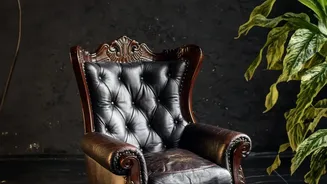
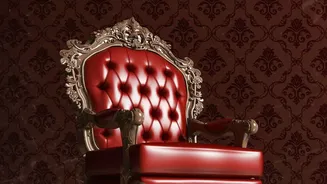
the idea of using pre-owned items was largely limited to functional hand-me-downs within the family. The broader market for second-hand goods often lacked trust and was seen as a last resort. However, this perception is rapidly changing. Today’s homeowners are consciously seeking out vintage and pre-loved items, not because they have to, but because they want to. This movement is about appreciating the past and making deliberate style choices that defy the mass-produced market. It’s about finding a solid teak wood sideboard or a set of brass lamps that bring a sense of history and warmth into a modern apartment.
The Powerful Pull of Sustainability
A major driver of this trend is a growing environmental consciousness, especially among millennial and Gen Z consumers. Choosing second-hand is an inherently sustainable act. It reduces the demand for new production, conserves resources, and diverts items from landfills. This eco-friendly mindset has transformed the act of buying used goods from a purely economic decision into an ethical one. In a world grappling with climate change, giving a beautifully crafted, 20-year-old sheesham wood table a new home is seen as a responsible and stylish choice. This aligns with a broader shift toward mindful consumption, where longevity and reuse are valued over fleeting trends.
A Quest for Character and Uniqueness
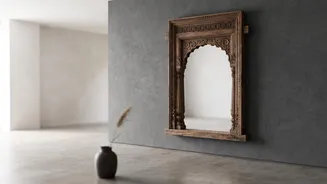
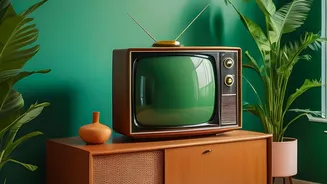
In an age of fast furniture and identical interiors, second-hand decor offers something increasingly rare: character. Each vintage piece, whether it's a rustic Damchiya chest from Rajasthan or an Art Deco mirror from Mumbai, has a unique story. These items bring a narrative and a soulful quality that factory-finished products simply cannot replicate. Homeowners are mixing these finds with contemporary furniture to create layered, personal spaces. An antique carved wooden console or a hand-painted cabinet becomes a focal point, telling a story of craftsmanship and time. This desire for individuality is a direct rejection of cookie-cutter homes, celebrating imperfections and the patina of age.
Nostalgia and the Comfort of the Past
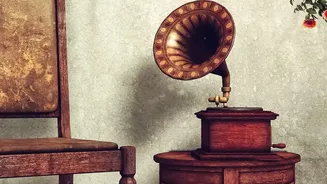
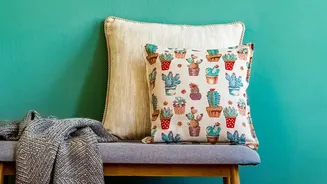
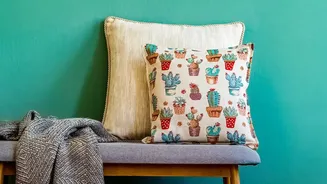
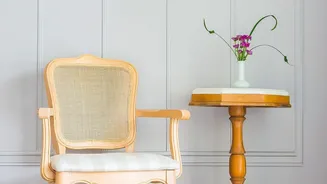
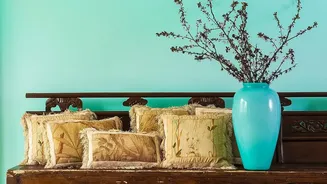
Vintage decor often evokes a powerful sense of nostalgia, reminding people of their grandparents' homes and a simpler time. An old four-poster bed, a classic wooden armchair, or even passed-down picture frames create an atmosphere of warmth and continuity. This emotional connection is a key part of the appeal. It's not just about aesthetics; it's about feeling grounded in a history that is both personal and cultural. Upcycling old silk sarees into cushion covers or curtains is another way this trend manifests, blending sentimentality with creativity. These pieces make a house feel like a home, filled with memories and meaning.
The Rise of Curated Marketplaces
This shift wouldn't be possible without the increasing accessibility of high-quality second-hand goods. The market is moving from unorganized local shops to curated online platforms. Instagram stores, specialized e-commerce sites, and even mainstream brands with buy-back programs are making it easier than ever to find, purchase, and trust pre-owned decor. These platforms often do the work of sourcing and restoration, presenting vintage pieces not as old items, but as timeless design assets. This has professionalized the experience, removing the guesswork and making second-hand shopping an aspirational activity for a new generation of design-savvy Indians.