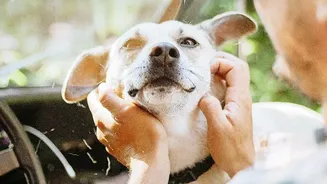








The Journey Through Your Pet's Eyes
For many pets, a long car ride is not a fun adventure; it's a confusing and stressful experience. Unlike us, they don't understand the concept of a vacation. What they feel is the vibration of the car, the confinement of their space, and the anxiety of an unfamiliar
routine. Signs of travel stress can range from subtle to obvious and include excessive panting, drooling, whining, shaking, or restlessness. In more severe cases, pets can experience motion sickness leading to vomiting or diarrhoea. Recognising that the journey can be physically and mentally taxing is the first step toward creating a better travel experience for them.
The 'Every Two Hours' Rule
So, how long is too long in the car? Most veterinarians and pet travel experts agree that you should plan to stop every two to three hours. These breaks should last at least 15 to 20 minutes, giving your pet enough time to relieve themselves, have a drink of water, and stretch their legs. For puppies, senior dogs, or pets prone to anxiety, more frequent stops might be necessary. A short walk on a leash during these breaks not only provides a necessary toilet opportunity but also helps reduce pent-up energy and anxiety, making the next leg of the journey more peaceful for everyone. Think of these breaks not as delays, but as essential parts of your travel itinerary.
Not All Rest Stops Are Created Equal
Pulling over on the side of a busy highway isn't an ideal or safe break for a pet. When planning your route, actively look for rest stops that are truly pet-friendly. Many modern travel plazas and highway welcome centres now include designated, fenced-in dog parks. These are invaluable, providing a secure space for your dog to be off-leash for a few minutes to run and play safely away from traffic. Some truck stop chains have also invested in creating pet-friendly areas. Apps like BringFido and even Google Maps can help you identify these locations in advance, allowing you to map out a route that includes quality breaks. A grassy area away from the noise and fumes of the road is far more refreshing for a pet than a small patch of gravel.
Packing for the Drive, Not Just the Destination
Your pet's travel bag shouldn't be buried in the boot. Key supplies should be easily accessible during your journey. A dedicated 'car kit' for your pet is a game-changer. This should include a collapsible water bowl and a bottle of fresh water, waste bags, and some high-value treats. It's also wise to have a lead and harness ready to go for every stop. A familiar blanket or toy can provide comfort and a sense of security in the car. Finally, ensure your pet is safely secured in the vehicle. A well-ventilated carrier, a doggy seat belt harness, or a car crate are the safest options, preventing your pet from becoming a dangerous projectile during a sudden stop and keeping them from distracting the driver.
Setting the Right Pace
Ultimately, travelling with a pet means adjusting your mindset. You're no longer trying to set a new land-speed record for your journey. Instead, embrace a slower pace. Limiting your daily drive time to a manageable number of hours, perhaps four to six, can drastically reduce stress for your pet. If your trip is a long one, consider an overnight stay at a pet-friendly hotel to break up the drive. Before you even embark on the main trip, it's a great idea to take your pet on a few shorter 'practice' drives to help them acclimate. This allows you to spot any signs of severe anxiety or car sickness early on, so you can discuss options with your vet if needed.