




The Allure of the Affordable Adventure
For young travellers on a tight budget, the primary driver is simple: cost. A traditional safari circuit in Central India, connecting tiger havens like Kanha, Bandhavgarh, and Pench, can be an expensive affair. Private car rentals, which can cost thousands
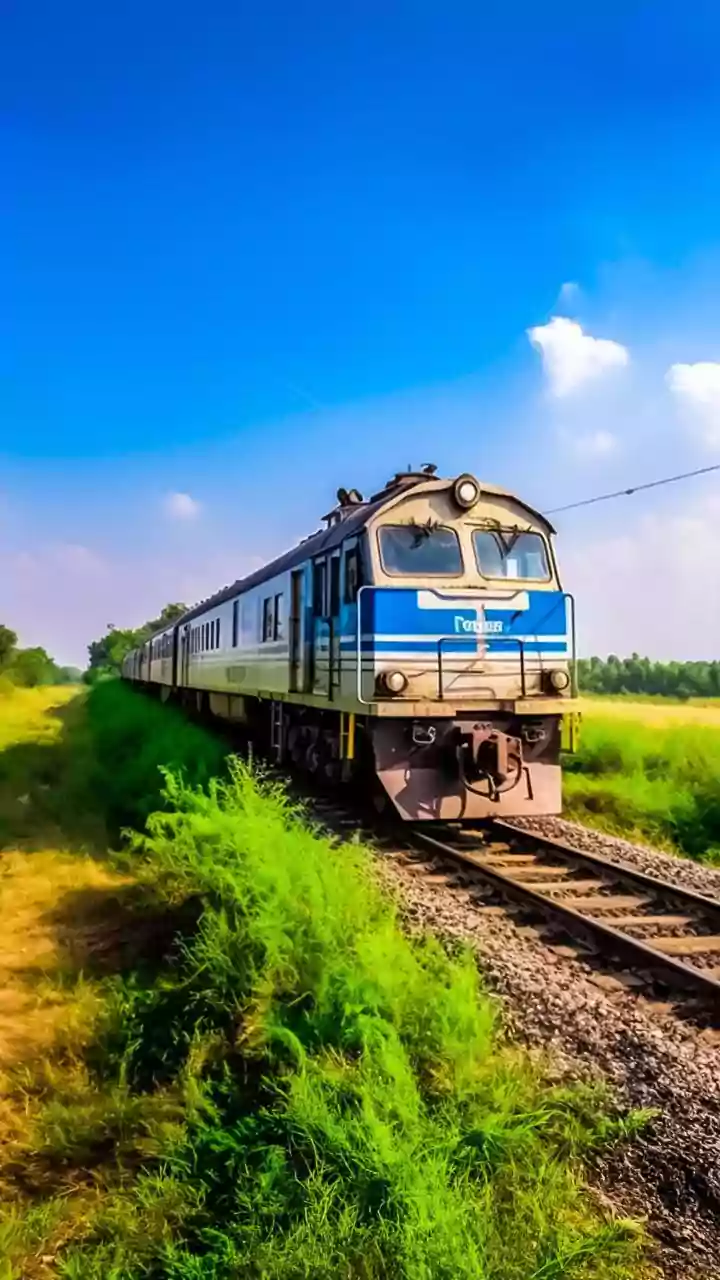
of rupees per day, and stays in high-end resorts quickly add up. In contrast, the Indian Railways offers an incredibly economical alternative. An overnight journey in a sleeper or 3AC coach can cost a fraction of a private car transfer, allowing backpackers to stretch their budgets significantly. This financial freedom means they can afford to spend more time in the region, take more safaris, and immerse themselves more deeply in the experience without the pressure of a rapidly dwindling bank account.
The Journey Is the Destination
For the modern backpacker, travel is about more than just ticking off sights. It's about the experience, the human connection, and the story. This is where train travel truly excels. A train journey through the heart of India is a cultural immersion in itself. It's a rolling theatre of life, complete with conversations with fellow passengers, sampling regional snacks from platform vendors, and watching the diverse landscapes of the countryside unfold. Unlike the sterile environment of a private car, the train offers a direct connection to the pulse of the country. This philosophy aligns perfectly with the backpacker ethos, which prioritizes authenticity and serendipitous encounters over sanitized comfort.
Connecting the Tiger Corridor
Logistically, the railway network provides a surprisingly effective, if sometimes challenging, way to navigate Central India's safari circuit. Key railway hubs like Jabalpur, Katni, Gondia, and Nagpur serve as gateways to the region's top national parks. From these stations, a short taxi or local bus ride is all it takes to reach the park gates. While this requires more planning and a greater spirit of adventure than a seamless door-to-door car service, it empowers independent travellers. They can create flexible, do-it-yourself itineraries, deciding on a whim to stay an extra day or explore a lesser-known corner of the jungle. This freedom is a core part of the appeal for those looking to get off the beaten track.
A More Sustainable Footprint
There's also a growing environmental consciousness among younger generations of travellers. Choosing to travel by train, which has a significantly lower carbon footprint per passenger compared to multiple long-distance car journeys or domestic flights, is a deliberate choice for many. As discussions around responsible and sustainable tourism become more mainstream, backpackers are often at the forefront of adopting practices that minimize their environmental impact. Recently, Indian Railways has also started to formalize this connection, with IRCTC partnering with forest departments to offer bundled train and safari packages, further cementing the railway's role in wildlife tourism. This move indicates a broader recognition of the train's potential in creating more organised and eco-friendly travel circuits.