

The Plant-Based Iron Challenge
One of the most common questions for anyone eating a plant-forward diet is about iron. While plants like lentils, beans, tofu, and spinach are packed with this vital mineral, it comes in a form called non-heme iron. Unlike the heme iron found in animal
products, non-heme iron is more difficult for our bodies to absorb. This is because plant foods also contain natural compounds, such as phytates and polyphenols, which can bind to iron and hinder its uptake during digestion. This doesn't mean vegetarians are destined for deficiency—in fact, studies show they are no more likely to have iron-deficiency anaemia than meat-eaters—but it does mean being strategic about how you build your plate.
Vitamin C: The Ultimate Absorption Booster
This is where vitamin C, also known as ascorbic acid, becomes a vegetarian's best friend. Decades of nutritional research confirm that vitamin C is the most powerful enhancer of non-heme iron absorption. Its magic works in two ways: first, it converts the iron into a form that is much easier for your intestines to absorb. Second, it forms a protective bond with the iron, preventing it from being locked up by those pesky inhibitors like phytates found in grains and legumes or tannins from tea and coffee. The effect is so significant that the headline's claim of 'doubling' absorption is well within the realm of possibility. Some studies have found that adding vitamin C can increase iron bioaccessibility by nearly 100%, and one noted that 100 milligrams of vitamin C increased iron absorption from a meal by more than four times.
Perfect Pairings for Your Plate
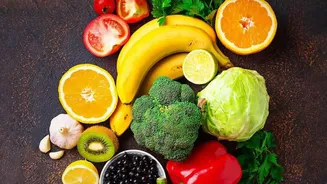
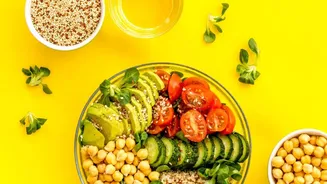
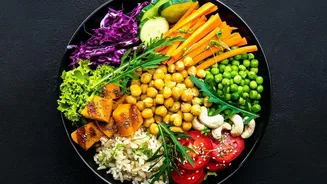
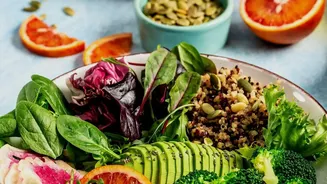
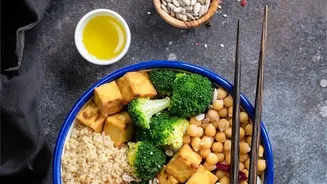
Putting this science into practice is both delicious and easy. The key is to combine an iron-rich plant food with a vitamin C-rich food in the same meal. The possibilities are endless and allow for incredible culinary creativity. Think about a hearty lentil soup finished with a generous squeeze of fresh lemon juice. Or, consider a vibrant spinach salad loaded with sliced strawberries and bell peppers, topped with a citrus vinaigrette. A classic tofu or tempeh stir-fry becomes a nutritional powerhouse when you add broccoli, bok choy, and red capsicum. Even your morning routine can get a boost: try topping your iron-fortified breakfast cereal with a handful of berries or enjoying it with a small glass of orange juice.
How Much Is Enough?
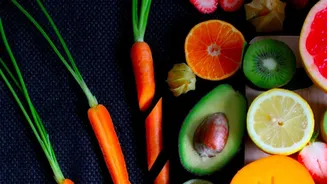
You don't need to resort to mega-dosing with supplements to reap the benefits. The goal is simply to include a whole-food source of vitamin C with your iron-rich meals. Just one orange can provide over 100% of your daily vitamin C needs. A cup of strawberries, a chopped bell pepper, or a serving of broccoli will also do the trick beautifully. The most important factor is timing—the vitamin C needs to be present in your digestive system at the same time as the iron to work effectively. Conversely, it's also wise to be mindful of what can block iron absorption. Tannins found in coffee and tea are significant inhibitors, so it's best to enjoy your daily brew between meals rather than with them.
Beyond Iron: A Holistic Boost
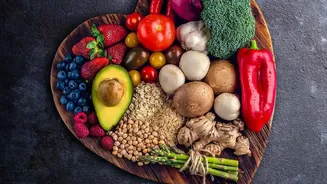
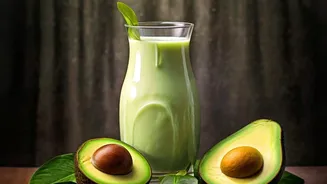
While the partnership between vitamin C and iron is the most well-documented, a diet rich in a variety of fruits and vegetables has broader benefits for nutrient absorption. For instance, healthy fats from sources like avocado or olive oil can help you better absorb fat-soluble vitamins like A, D, E, and K, which are often found in the same plant foods that are rich in iron. Similarly, some research suggests that vitamin C may also play a role in how the body utilizes other minerals like zinc, though the evidence is not as strong as it is for iron. Ultimately, the principle remains the same: a diverse, colourful plate is not just appealing to the eye, but it is also the best way to ensure all the nutrients you consume are working in harmony.