








What Makes a Fabric 'Quick-Dry'?
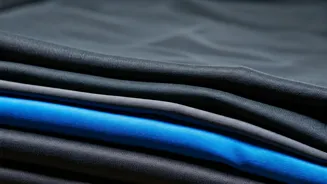
The secret behind quick-dry clothing lies in fabric technology. Unlike natural fibres like cotton which absorb and retain moisture, quick-dry garments are typically made from synthetic fibres such as polyester and nylon. These materials are 'hydrophobic,'
meaning they repel water rather than soaking it up. The technology works through a process called 'wicking,' where tiny channels in the fabric's weave pull moisture (like sweat or rain) away from your skin. This moisture is then spread across the outer surface of the garment, allowing it to evaporate much faster. The result is clothing that doesn't just dry quickly on a clothesline but also helps keep you feeling dry and comfortable even when you're caught in a downpour or navigating a humid day.
The Unbeatable Advantages During Monsoon
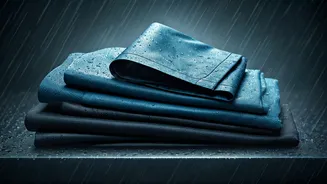
Switching to quick-dry fabrics during the rainy season offers a host of practical benefits. The most obvious is speed; a polyester t-shirt can dry in as little as 30-40 minutes in the right conditions, compared to hours for a cotton equivalent. This rapid drying is crucial in a damp monsoon home. Furthermore, because these fabrics don't stay wet for long, they significantly reduce the growth of odour-causing bacteria and prevent that musty 'monsoon smell' that plagues damp laundry. This also helps minimise the risk of skin irritation and rashes that can be caused by wearing damp clothes in humid weather. Finally, these garments are incredibly lightweight, even when wet, ensuring you don't feel weighed down after a sudden shower.
Key Fabrics to Look For
When shopping for your monsoon wardrobe, keep an eye out for these high-performing materials. Polyester and nylon are the undisputed champions of the quick-dry world, known for their durability and water resistance. Blends are also excellent choices; a polyester-cotton mix can offer the comfort of cotton with faster drying times, while polyester blended with modal or Tencel provides superior moisture-wicking with a stylish drape. For underlayers or activewear, microfiber and fabrics with spandex offer breathability and stretch. Even some natural fibres can be monsoon-friendly. While traditional cotton is a no-go, lightweight versions like cotton voile perform better. Rayon is another great semi-synthetic option that feels soft and dries faster than pure cotton. Merino wool is a surprising but effective choice, as it's naturally moisture-wicking and odour-resistant.
From Daily Wear to Workwear: Building Your Wardrobe
Quick-dry technology is no longer confined to the gym. Brands across India now offer a wide array of stylish and practical options suitable for everyday life. You can find everything from rayon kurtas and modal tunics to poly-crepe trousers perfect for the office. Look for lightweight shirts, casual pants, and dresses made from these functional fabrics. Even essentials like track pants, t-shirts, and underwear are widely available in quick-dry variants. For travellers, these pieces are a game-changer, allowing you to wash items in a hotel sink and have them ready to wear in hours. Start by incorporating a few key pieces, like a versatile t-shirt or a pair of comfortable trousers, to experience the difference firsthand.
How to Care for Your Quick-Dry Clothes
To ensure your quick-dry garments last and maintain their performance, proper care is essential. Always check the care label first. Generally, it's best to wash them in cold water on a gentle cycle. A crucial tip is to avoid fabric softeners, as they can clog the fabric's pores and inhibit its moisture-wicking capabilities. When it comes to drying, air drying is the best method. Despite the name, the high heat of a tumble dryer can damage or even shrink the synthetic fibres. Simply hang them in a ventilated area, and they'll be dry in no time. If you must use a dryer, select the lowest heat or a cool air setting.