

The Crushing Weight of Diesel
For decades, agriculture in areas with unreliable grid electricity has depended on diesel-powered pumps for irrigation. This reliance comes at a steep price. Farmers face not just the high and volatile cost of diesel, but also the logistical challenges
of transporting it to remote fields. The annual running cost for a typical 5 HP diesel pump can easily run into tens of thousands of rupees in fuel alone, before even considering regular maintenance for engines that are prone to breakdowns. This recurring expense eats directly into a farmer's income, often making the difference between a profitable season and a loss. Furthermore, these pumps contribute to both noise and air pollution, with diesel-run irrigation systems in India consuming billions of litres of fuel and emitting millions of tonnes of CO2 annually.
A Revolution Powered by the Sun
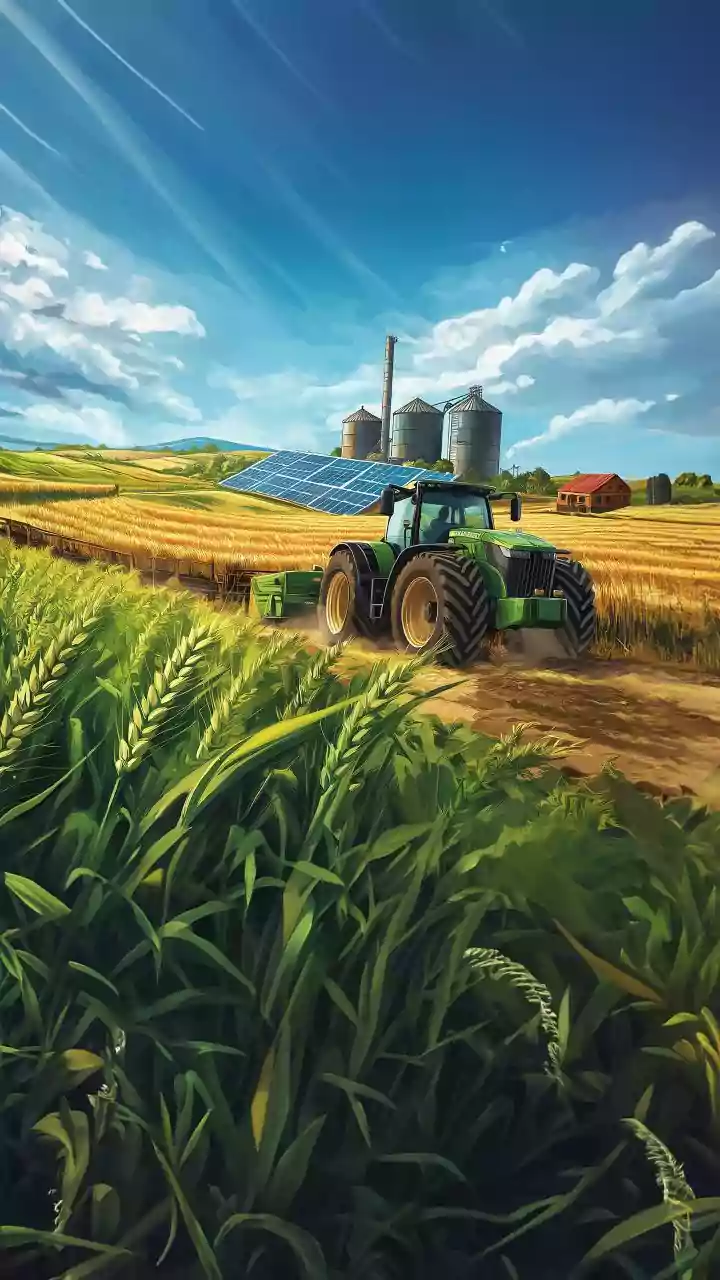
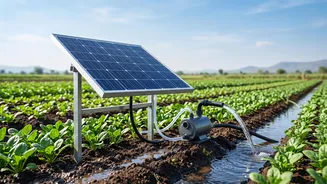
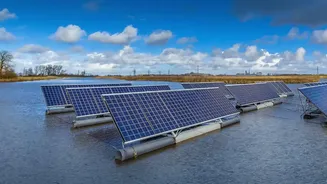
A solar water pump offers a simple yet transformative alternative. The system uses photovoltaic (PV) panels to capture sunlight and convert it into electricity, which then powers a motor to pump water from a borewell, open well, or pond. Unlike diesel or grid-powered pumps that can be unpredictable, solar pumps provide a reliable source of water throughout the day, whenever the sun is shining. This daytime reliability aligns perfectly with irrigation needs and gives farmers unprecedented control over their water supply, a stark contrast to waiting for erratic grid power, which is often supplied at night. The technology is available for different needs, including submersible pumps for deep borewells and surface pumps for shallow water sources.
From Cost Savings to Higher Incomes
The most immediate benefit of switching to solar is the drastic reduction in operational costs. With sunlight as a free fuel source, the daily expenses for running a pump drop to nearly zero. While the initial investment for a solar pump system is higher than for a diesel one, the long-term savings are substantial. Case studies from states like Haryana and Chhattisgarh have shown that farmers can increase their annual incomes by over 25% after installing solar pumps. This financial relief allows them to cultivate more land and, critically, diversify their crops. With a dependable water supply, farmers are no longer limited to a single rain-fed crop and can plant multiple high-value vegetable or fruit crops per year, significantly boosting their earnings.
Government Support Makes It Possible
Recognizing the high upfront cost as a major barrier, the Indian government has introduced ambitious schemes to make solar pumps affordable. The flagship Pradhan Mantri Kisan Urja Suraksha evam Utthaan Mahabhiyan (PM-KUSUM) scheme is a game-changer. Under this program, farmers can receive substantial subsidies from the central and state governments, covering a large portion of the installation cost. Typically, a farmer may only need to bear 10% of the total cost, with the remaining amount covered by subsidies and options for bank loans. This support drastically shortens the payback period, with some analyses suggesting farmers can recover their initial investment in just a few months through diesel savings alone. The scheme not only helps individual farmers but also aims to reduce the nation's massive agriculture subsidy bill and oil import dependency.
Challenges and the Road Ahead
Despite the clear advantages, the transition is not without its hurdles. The initial capital, even with subsidies, can still be a challenge for small and marginal farmers. Another significant issue is the lack of local, skilled technicians for maintenance and repairs, which can lead to prolonged downtime if a system fails. Furthermore, solar panels require a dedicated land area for installation, which can be a constraint for farmers with smaller holdings. However, as awareness grows and the ecosystem of service providers expands, these challenges are gradually being addressed. For many, the long-term benefits of energy independence, stable income, and sustainable practices far outweigh the initial obstacles.