






The Power in Your Pantry
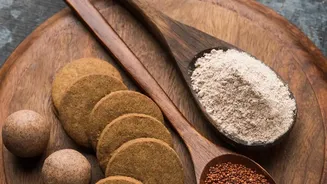
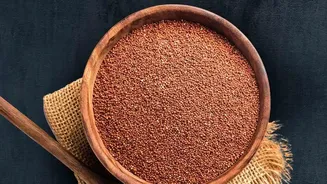
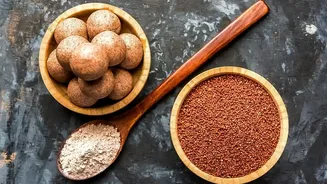
For generations, ragi (finger millet) and bajra (pearl millet) have been staples in Indian households, and now they are making a well-deserved comeback in modern kitchens. These ancient grains are powerhouse alternatives to refined wheat flour (maida).
Ragi is renowned for its exceptional calcium and fiber content, which supports bone health and aids digestion. Bajra is a fantastic source of iron, protein, and magnesium, providing sustained energy. Both millets are naturally gluten-free and packed with antioxidants, making them a smart choice for managing blood sugar levels and promoting overall wellness. By incorporating them into cookies, you’re not just cutting out refined ingredients; you’re actively adding valuable nutrients to your diet.
Understanding Millet Flours in Baking
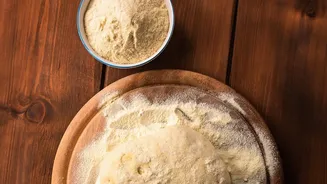
Baking with ragi and bajra is different from using wheat flour. Since they are gluten-free, they don't have the protein that provides structure and elasticity. This means they absorb more liquid and can sometimes result in a denser, drier, or more crumbly texture if not handled correctly. Ragi has a distinct, somewhat earthy flavour, while bajra is milder with a slightly nutty taste. Some bakers prefer to lightly roast ragi flour in a dry pan for a few minutes to reduce its raw taste before using it. Often, the best results come from blending these millet flours with a small amount of a binding flour, like whole wheat atta or a gluten-free alternative like oat flour, to achieve the perfect texture.
A Simple Recipe for Success
This foundational recipe balances health and flavour, giving you a perfect starting point. Ingredients: ½ cup Ragi Flour ½ cup Bajra Flour ½ cup Whole Wheat Flour (or Besan for a gluten-free binder) ¾ cup Jaggery Powder (or grated jaggery) ½ cup Ghee or Coconut Oil, softened ½ teaspoon Cardamom Powder (Elaichi) ½ teaspoon Baking Powder A pinch of salt * 2-3 tablespoons Milk or water, as needed Instructions: 1. Preheat your oven to 170°C and line a baking tray with parchment paper. 2. In a large bowl, whisk together the dry ingredients: ragi flour, bajra flour, whole wheat flour, jaggery powder, baking powder, cardamom powder, and salt. Ensure there are no lumps in the jaggery. 3. Add the softened ghee or coconut oil to the dry ingredients. Rub the fat into the flour with your fingertips until the mixture resembles breadcrumbs. 4. Add milk one tablespoon at a time, gently mixing until the ingredients come together to form a firm dough. Do not over-knead. 5. Cover the dough and let it rest in the refrigerator for at least 30 minutes. Chilling the dough is crucial as it helps the flours hydrate and prevents the cookies from spreading too much while baking. 6. Divide the chilled dough into small, equal-sized balls. Place them on the prepared baking tray and flatten them slightly with your palm or a fork. 7. Bake for 12-15 minutes, or until the edges are firm and lightly browned. The centers will still feel soft. 8. Let the cookies cool on the baking sheet for 5 minutes before transferring them to a wire rack to cool completely. They will become crisp as they cool.
Tips for Perfect Millet Cookies
Getting a dry, crumbly cookie is a common issue with millet flours. The key is moisture and fat. Ensure you use enough ghee or oil, as this keeps the cookies tender. If your dough feels too dry to come together, add milk a teaspoon at a time until it's pliable. Resting the dough is non-negotiable; it allows the high-fiber flours to fully absorb the liquid, which dramatically improves the final texture. Also, be careful not to over-bake. Millet cookies are best when baked until just set at the edges. They will continue to cook from residual heat on the baking sheet.
Get Creative with Flavours
Once you master the basic recipe, feel free to experiment. The earthy notes of ragi and bajra pair wonderfully with a variety of additions. For extra crunch and nutrition, mix in chopped nuts like almonds and walnuts or seeds like flax and sesame. A handful of chocolate chips can make them a hit with kids. You can also add other spices like cinnamon or nutmeg for a different flavour profile. Using date paste instead of jaggery is another excellent natural sweetener option that also helps with binding.