
What Exactly Is a White Dwarf?
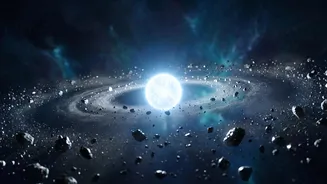
Before we get to the 'phoenix' planet, let's talk about its parent. A white dwarf is the super-dense core left behind after a star like our own Sun dies. Stars spend most of their lives fusing hydrogen into helium, a process that creates outward pressure,
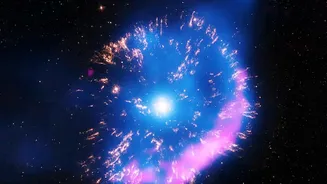
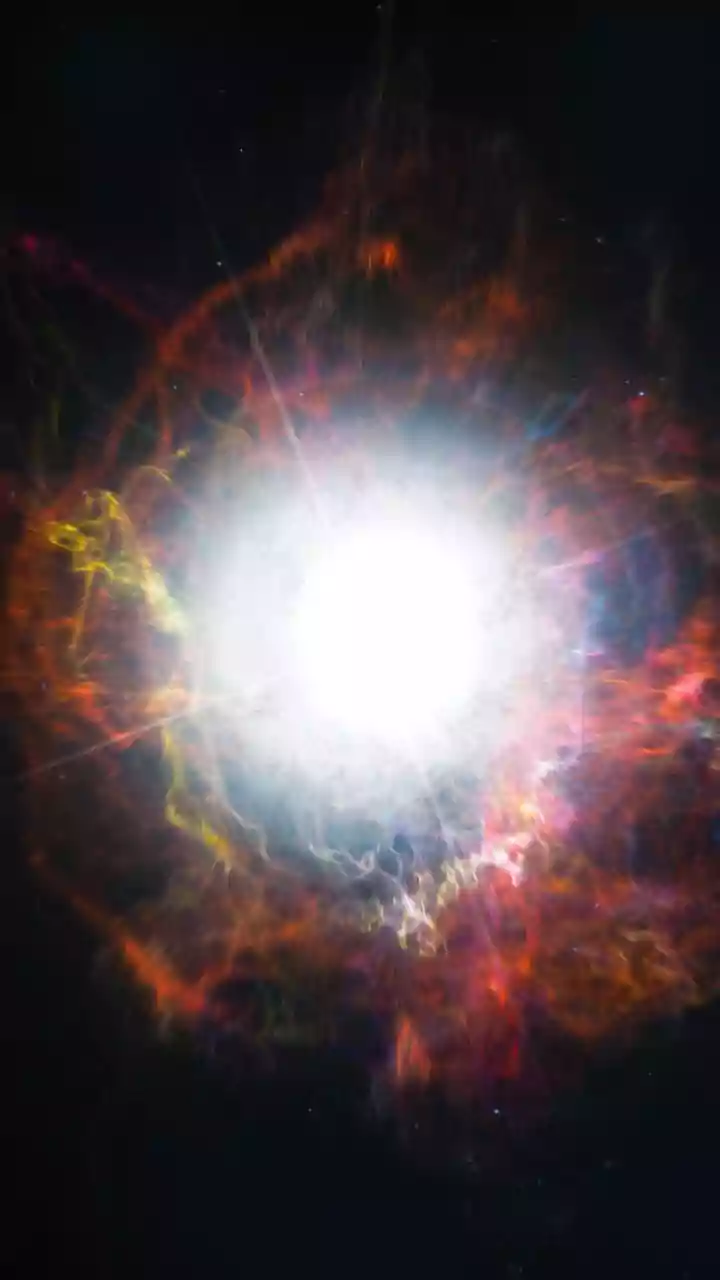
perfectly balancing the inward crush of gravity. When the hydrogen fuel runs out, the star swells into a massive red giant, often swallowing its inner planets. After this dramatic phase, the star sheds its outer layers, leaving behind a hot, Earth-sized remnant with the mass of a sun. This smouldering core, no longer powered by fusion, is a white dwarf. It's an incredibly dense stellar ember that slowly cools and fades over billions of years. This is the expected fate of over 95% of stars in the Milky Way, including our own Sun.
A Hostile Environment for Planets
As you might imagine, a star's death is not a gentle process. The expansion into a red giant is violent enough to incinerate and destroy any planets that formed alongside the star in its youth, especially those in close orbits. Even if a planet were far enough away to survive being engulfed, the star's transformation would wreak havoc on its orbit. For this reason, finding planets huddled close to a white dwarf has always been a puzzle. Any 'first-generation' planet from the original system should have been destroyed or flung into deep space. So when astronomers see evidence of a world orbiting a stellar remnant, it raises a major question: how did it get there?
The Rise of a 'Second Generation'
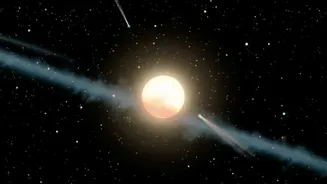
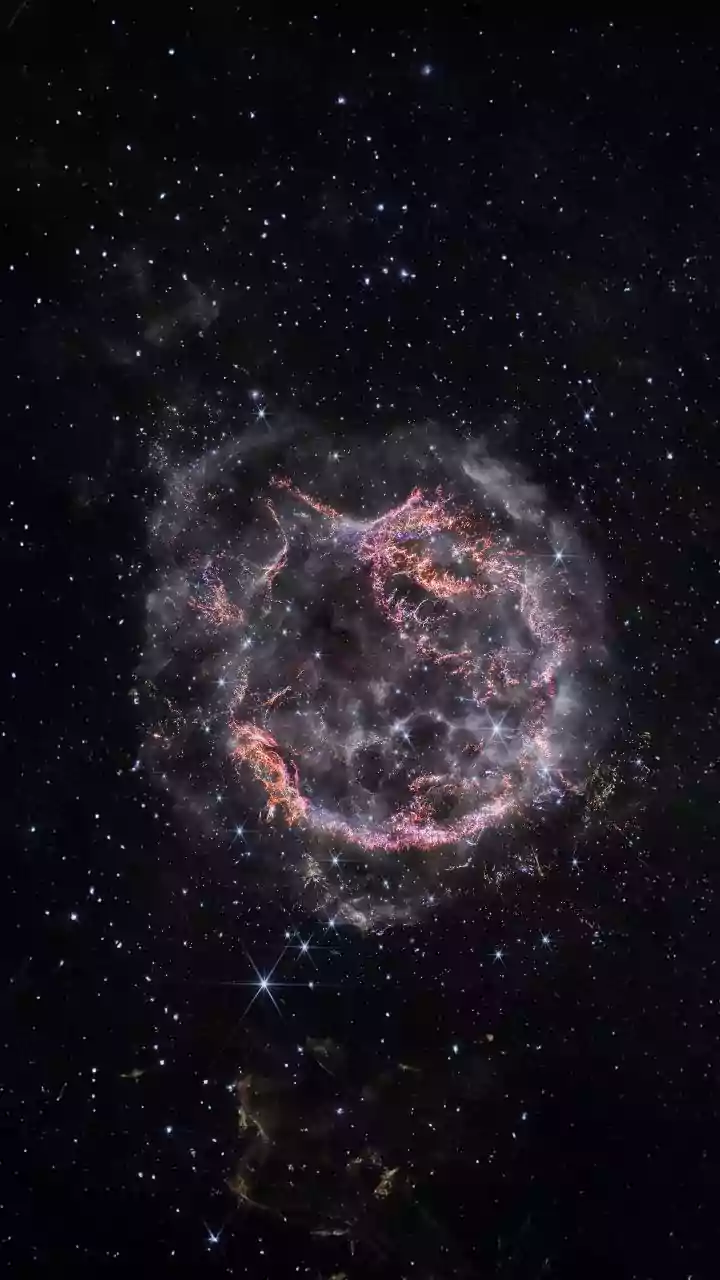
This is where the theory of second-generation planets comes in. Scientists have long theorized that after a star becomes a white dwarf, the scattered debris from its former life—the pulverized remains of asteroids, comets, and even shattered planets—doesn't just disappear. Instead, some of this material can settle into a new disk of gas and dust orbiting the stellar remnant. From this 'protoplanetary disk 2.0', brand new planets can form. These are not survivors of the old system but entirely new worlds, born from the ashes of the first. Finding one would be profound confirmation that planetary systems can get a second act.
A Discovery in Old Data
Recently, a team of astronomers revisited data from the Hubble Space Telescope that was over two decades old. They were studying a white dwarf named HS 0209+0832, located about 270 light-years away. The old data contained chemical signatures that couldn't be identified at the time. But with updated databases, the team made a startling discovery: the white dwarf's atmosphere was polluted with unusually high levels of heavy elements like zinc, copper, and especially niobium. Niobium, in particular, was found at levels 1,000 times higher than in our Sun and had never been seen in a white dwarf before. These elements are forged deep inside stars during their death throes, suggesting the material falling onto the white dwarf came from the star's own remains.
The Phoenix Planet Candidate
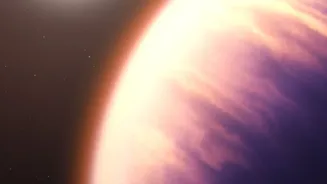
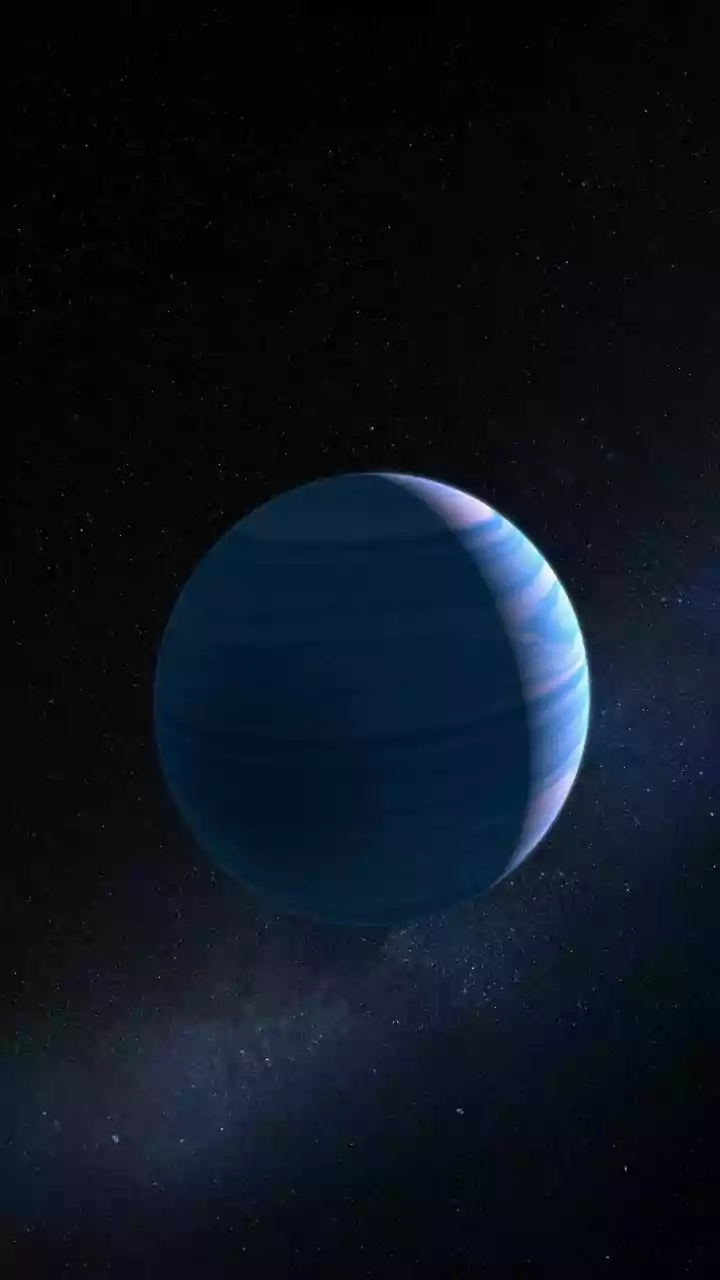
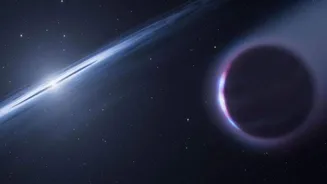
The most likely source for this strange pollution is a giant planet orbiting the white dwarf. Further data from NASA's TESS satellite detected a faint, repeating dip in the star's brightness every 4.4 days. This is consistent with a Jupiter-sized gas giant in an extremely tight orbit, so close that the white dwarf's intense radiation is boiling off its atmosphere. This stripped material, rich in the elements forged inside the dead star, then rains down onto the white dwarf's surface, creating the unique chemical signature Hubble detected. This makes it the first strong candidate for a second-generation planet found orbiting a white dwarf, a true phoenix risen from stellar ashes.
Why This Cosmic Rebirth Matters
This discovery is more than just a cosmic curiosity; it fundamentally changes our understanding of planetary evolution. It suggests that the end of a star's life isn't necessarily the end of its planetary story. Billions of years from now, when our own Sun expands into a red giant and then collapses into a white dwarf, the remnants of our solar system could potentially form a new disk. While the candidate around HS 0209+0832 is a gas giant, it's possible for rocky worlds to form in this way, too. A second-generation Earth-like planet could potentially remain in a stable, habitable zone for billions of years as the white dwarf slowly cools. This finding opens up a whole new chapter in the search for where and how life might exist in the universe.