
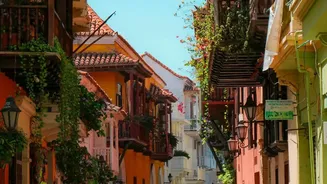
Some streets are more than just a way to get from A to B; they are destinations in themselves. They capture a city's soul in their cobblestones, building facades, and the life that unfolds along them. Here are ten streets that do just that.
The Shambles, York, UK
Arguably the
best-preserved medieval street in the world, The Shambles transports you back in time. Its name comes from 'fleshammels', an old term for the shelves butchers used to display their meat. The timber-framed buildings, some dating back to the 14th century, lean so closely together you can almost touch both sides at once. This architectural quirk had a practical purpose: to shelter the meat from the sun. Once home to dozens of butchers, today it's filled with charming shops, including several that cater to fans of a certain boy wizard, thanks to its resemblance to the fictional Diagon Alley.
Rue de l'Abreuvoir, Paris, France
In the heart of Montmartre lies one of Paris's prettiest and most historic streets. Its name, which translates to 'street of the watering trough', harks back to Montmartre's rural past when it was a village outside the city limits where livestock would drink. First mentioned in 1325, the winding cobblestone path offers a breathtaking view of the Sacré-Cœur basilica. It's famously home to La Maison Rose, a pink-hued café once frequented by artists like Maurice Utrillo, which adds to the street's storybook charm and makes it a living piece of Parisian history.
Caminito, Buenos Aires, Argentina
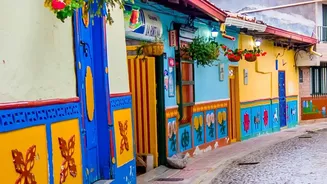
Caminito, meaning 'little path', is a vibrant street museum in the La Boca neighbourhood. The area was settled by Italian immigrants, many from Genoa, who used leftover paint from the shipyards to decorate their homes, creating a multicoloured mosaic of corrugated metal and wood. In the 1950s, local artist Benito Quinquela Martín revived the abandoned railway track, turning it into an arts hub. The street is synonymous with tango; it was named after a famous 1926 tango tune, and the sound of music and the sight of dancers are ever-present, capturing the passionate spirit of Buenos Aires.
Philosopher's Path, Kyoto, Japan
This tranquil two-kilometre stone path follows a canal lined with hundreds of cherry trees. It gets its name from Nishida Kitaro, one of Japan's most famous philosophers, who used this route for his daily meditative walk to Kyoto University. In early April, the trees burst into bloom, creating a spectacular tunnel of pink blossoms that makes it one of the city's most popular spots for 'hanami' (cherry blossom viewing). The path, which connects Ginkakuji (Silver Pavilion) with the Nanzenji neighbourhood, offers a serene escape and a moment of contemplation amidst natural beauty.
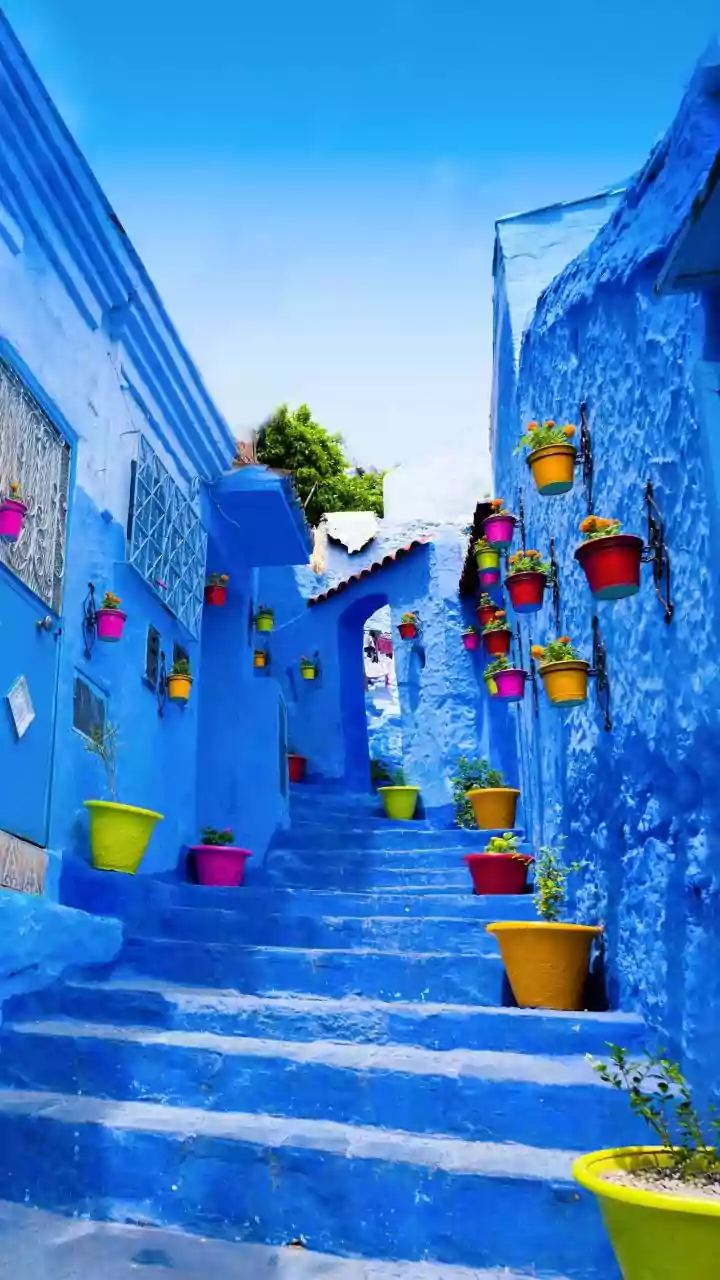
The Blue Streets of Chefchaouen, Morocco
Nestled in the Rif Mountains, the entire medina of Chefchaouen is a maze of streets washed in countless shades of blue. There are several theories for this tradition. One popular explanation is that Jewish refugees, who settled here in the 15th and 20th centuries, brought the custom of painting buildings blue to symbolise the sky and heaven. Other theories suggest the colour repels mosquitoes or helps keep homes cool in the summer. Whatever the origin, the result is a soothing, dreamlike atmosphere that has made the 'Blue Pearl' of Morocco a world-renowned destination.
Lombard Street, San Francisco, USA
Famous for its eight hairpin turns, Lombard Street is often called the 'crookedest street in the world' — though technically another San Francisco street holds that title. The iconic switchbacks were designed in 1922 to make the hill's dangerously steep 27% grade safer for vehicles and pedestrians. Surrounded by lush flowerbeds and handsome Russian Hill mansions, the one-way, red-bricked road is as beautiful as it is quirky. Whether you drive down slowly or walk the staircases on either side, it offers a unique urban experience and fantastic views.
Heerstrasse, Bonn, Germany
For two to three weeks every spring, Heerstrasse (or 'Cherry Blossom Avenue') transforms into a magical pink tunnel. The Japanese cherry trees were planted in this residential street in the Nordstadt neighbourhood in the 1980s as a gesture of friendship. Unlike in many places, the trees here are so concentrated that their canopies merge overhead, creating an immersive floral spectacle. Usually blooming in early April, the exact timing varies each year, but for those who catch it at its peak, the experience of walking under the fluffy, vibrant blossoms is truly unforgettable.
Cockburn Street, Edinburgh, Scotland
This steep, curving Victorian street in Edinburgh's Old Town has an atmosphere all its own. Built in the 1850s to connect the Royal Mile with Waverley Station, its winding path and eclectic mix of independent shops give it a unique character. In recent years, its medieval feel has drawn comparisons to the magical Diagon Alley, and it is now home to several Harry Potter-themed shops, including a store dedicated to the graphic designers from the films. The mix of gothic architecture and modern, quirky storefronts makes for a memorable walk.
Via dei Coronari, Rome, Italy
Stretching for 500 metres near Piazza Navona, this street has retained its Renaissance character. Its name translates to 'Street of the Rosary Makers', a nod to the artisans who sold rosaries and other holy items to pilgrims walking the Via Recta ('Straight Road') to St. Peter's Basilica. In the 15th and 16th centuries, it became a desirable address for high-ranking officials and even famous courtesans. Today, the portico-free lane is famed for its antique shops, art galleries, and historic facades, offering a picturesque journey into Rome's layered past.
Rua da Bica de Duarte Belo, Lisbon, Portugal
This is perhaps Lisbon's most photographed street, thanks to the iconic Bica Funicular that has been rattling up and down its steep slope since 1892. The funicular itself provides a moving landmark against a backdrop of colourful, tiled buildings, laundry lines, and lively bars. The street offers a classic Lisbon scene, capturing the city's blend of traditional charm and vibrant daily life. From the top, you get a beautiful glimpse of the Tagus River, perfectly framed by the narrow, picturesque streetscape. It is the quintessential Lisbon experience in a single, atmospheric view.