





Start with the Fridge Audit
Before you do anything else, open the refrigerator. The goal is to take stock, not to deep clean. Pull out all the leftovers from the past few days. Anything that looks or smells past its prime should be discarded. Be honest about what you will actually
eat. This step is crucial because it immediately tells you what needs to be used up, preventing food waste and saving money. Once you've identified the keepers, group them together on one shelf. This is now your “eat-me-first” zone, a visual reminder for your next few meals.
Tame the Open Packets
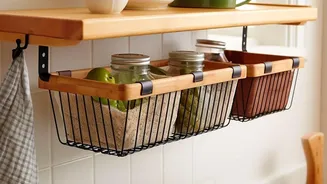
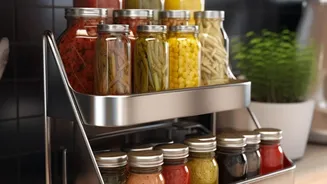
Every Indian kitchen has them: a dozen half-used bags of dal, spices, grains, and snacks threatening to spill every time you open a cabinet. This is the second pillar of your reset. Gather all these open packets from your pantry and drawers. Your mission is to consolidate and contain. Pour smaller quantities into clear, airtight containers. For packets you don't have containers for, use clips to seal them tightly. Small baskets or bins are perfect for corralling seasoning packets, pasta, or snack bags. Grouping them together means you can see exactly what you have, preventing you from buying duplicates. Labelling containers with the item's name and opening date is a pro-move that saves guesswork later.
Create a 'Use-It-First' Box
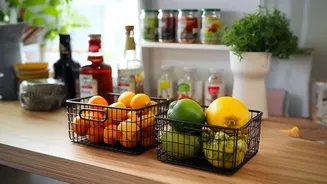
This simple hack can transform your food habits. Designate a clear container or a small basket in your fridge or pantry as the 'use-it-first' box. Into this box go the items you identified during your audit: the half-used tub of yogurt, the leftover sabzi, the remaining half of a bell pepper, and that handful of spinach. When you’re looking for a snack or planning a meal, you’ll know to check this box first. It’s an effective strategy to ensure older items are consumed before they go bad, turning potential waste into your next meal.
Reset Your Surfaces
With the food sorted, it's time to create visual calm. Clear everything off your kitchen counters. Give them a thorough wipe-down, along with the stovetop. Wash any stray dishes lingering in the sink and put away any that are dry. A clean sink and clear counters make the entire kitchen feel fresher and more manageable. This isn't about deep scrubbing; it's a quick reset that prepares your workspace for the week of cooking ahead, making the process feel less like a chore and more like a pleasure.
Plan from Your Inventory
Now for the final, game-changing step. Look at your sorted leftovers and your neatly organized pantry. What meals can you create from what you already have? This is the core of smart meal planning. Perhaps the leftover dal can be used for parathas, or the assorted vegetables can become a mixed veg curry or a stir-fry. By planning your next few meals around your existing inventory, you not only reduce waste but also slash your grocery bill. Make a shopping list only for the missing ingredients you need to complete these meals. This proactive approach eliminates the dreaded daily question of 'What's for dinner?' and brings a sense of control to your weeknights.