







The Allure of Healthy-Sounding Words
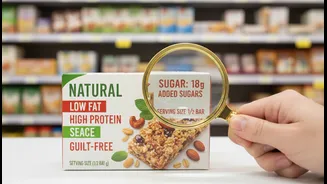
Food packaging is prime real estate for marketing. Brands use appealing words to create a 'health halo' around their products, making them seem healthier than they might be. Terms like 'wholesome,' 'pure,' and 'natural' are powerful because they evoke
images of goodness and simplicity. However, in India, many of these words are not strictly defined or regulated by the Food Safety and Standards Authority of India (FSSAI). While the FSSAI prohibits misleading claims, terms like 'wholesome' or 'clean' are often considered perception-based marketing language rather than factual statements. This leaves a gap between what a shopper might assume and what the product actually contains.
Decoding Common Marketing Buzzwords
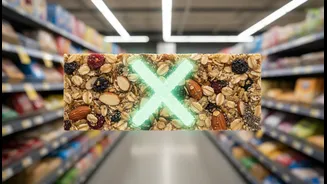
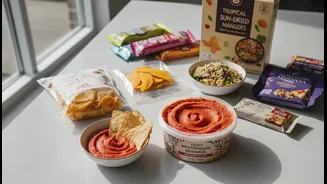
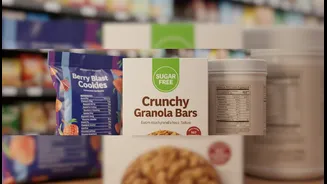
Let's break down some common terms. 'Natural' is one of the most frequently used and misunderstood. The FSSAI has cracked down on its use, stating it cannot be used in a way that is misleading. Often, it simply means a product contains no artificial flavours or colours. It doesn't typically address the use of pesticides, processing methods, or GMOs. 'Multigrain' simply means a product contains more than one type of grain; it doesn't guarantee those grains are whole grains. The main ingredient could still be refined flour (maida). Similarly, claims like 'baked, not fried' can still hide high levels of fat, sugar, and sodium. The only way to know for sure is to ignore the claims and turn the package over.
Your True Guide: The Nutrition Facts Panel
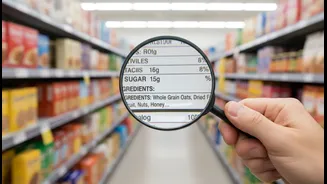
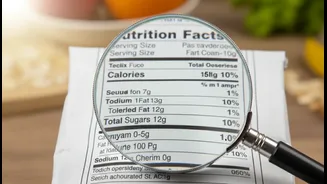
The nutrition panel is your most reliable tool. Mandated by the FSSAI, this small box contains the factual breakdown of what you're about to eat. Under the Food Safety and Standards (Labelling and Display) Regulations, 2020, all packaged foods must provide this information, allowing you to make an informed choice based on facts, not marketing. Learning to read it is a simple skill that can fundamentally change how you shop for groceries. It empowers you to compare products fairly and see beyond the tempting promises on the front.
Always Start With Serving Size
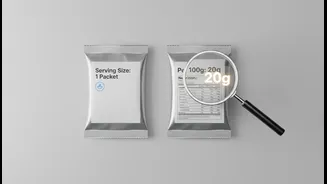
The first and most important thing to check on any nutrition label is the serving size. All the numbers that follow—calories, fat, sugar—are based on that single serving. Food companies often list a deceptively small serving size. A packet of biscuits might list the nutritional information for just two or three biscuits, when many people would easily eat the entire row. To understand your actual intake, you must multiply the values on the label by the number of servings you consume. For easier comparison between two different products, always use the 'per 100g' column, as this provides a standardized measure.
Key Numbers to Check
After serving size, focus on a few key metrics. Pay attention to total sugar, not just 'added sugar'. Many products are high in total sugars even if they claim 'no added sugar'. Keep an eye on sodium; a high-sodium diet is linked to blood pressure issues. Check the total fat, and specifically the saturated and trans-fat content, which are associated with cardiovascular risk. FSSAI regulations mandate that these values must be declared, giving you a clear picture of what you are consuming. As a general rule, a product with high levels of sugar, sodium, or saturated fat should be an occasional treat, not a daily staple.
The Final Check: The Ingredient List
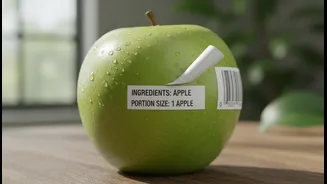
The ingredient list provides the final piece of the puzzle. Ingredients are legally required to be listed in descending order by weight. This means the first ingredient listed is the most prominent one in the product. If sugar, palm oil, or refined flour (maida) are among the first three ingredients, you know the product is likely not as 'healthy' as its front-of-pack claims suggest. This list is also where you can spot hidden sugars under different names like corn syrup, dextrose, or fructose. A shorter ingredient list with recognizable, whole-food names is generally a better sign than a long list of chemical-sounding components.