







A Paradox of Ice and Scarcity
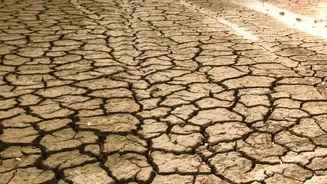
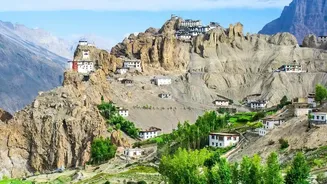
Ladakh, a breathtaking region nestled in the Himalayas, is a cold desert. It receives as little as 100mm of precipitation annually, making it one of the driest places in India. For centuries, its communities have relied on a delicate natural cycle: winter
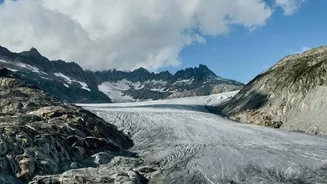
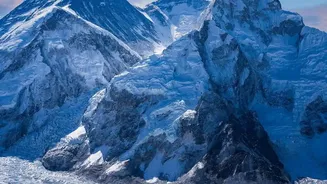
snows feed glaciers, which melt in the summer to water their barley and wheat fields. However, climate change has thrown this system into disarray. Glaciers are receding and melting either too early or too late, creating a severe water shortage in the critical spring months of April and May, just when farmers need to sow their crops. Winter meltwater, meanwhile, often flows away unused down the Indus River.
An Idea Frozen in Time
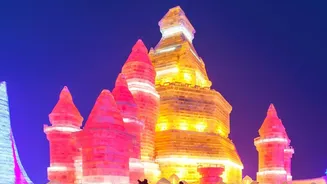
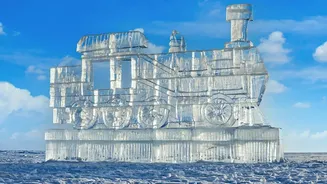
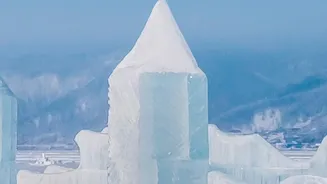
The solution came from an observation by Ladakhi engineer and innovator Sonam Wangchuk. In May, long after the winter snows had melted, he noticed a patch of ice still intact under a bridge, shielded from the direct sun. This sparked an idea: what if you could store winter water in a shape that minimizes sun exposure? The traditional, flat artificial glaciers that had been tried before melted too quickly. Wangchuk realized that a vertical, conical shape—like the sacred stupas dotting the Ladakhi landscape—would have the minimum surface area for the maximum volume of ice, thus slowing the melting process significantly.
How to Build a Glacier
The genius of the ice stupa lies in its simplicity. No pumps or electricity are needed. A network of pipes channels water from an upstream source during the coldest winter months, when temperatures can drop to -30°C or lower. Due to the height difference, gravity provides all the necessary pressure. This water is then sprayed upwards through a sprinkler system onto a basic frame of wood and steel. As the fine mist hits the freezing air, it turns to ice and falls, slowly building up a giant cone. Layer by layer, the ice stupa grows, storing water that would have otherwise been lost.
From Prototype to Lifeline
The first prototype, built in the winter of 2013-2014 with students from the SECMOL alternative school which Wangchuk founded, was a resounding success. Standing six metres tall, it stored 150,000 litres of water and lasted until mid-May, providing crucial irrigation for a new crop of saplings. Since then, the concept has been scaled up dramatically. Subsequent stupas have been built over 20 metres high, holding millions of litres of water. The project has become a community movement, with villagers participating in construction and even holding annual competitions to build the tallest stupa. This community ownership has been vital to its success, transforming a technical solution into a cultural phenomenon.
The Ripple Effect of Stored Water
The primary impact of the ice stupas is agricultural. They provide a reliable source of water during the critical spring sowing season, ensuring food security for remote villages. At one project inauguration, meltwater from a stupa was used to plant over 5,000 trees on previously barren land. But the benefits extend further. The artificial glaciers help recharge groundwater levels and maintain environmental flows in streams, supporting the entire local ecosystem. They have also become a symbol of climate resilience and a tourist attraction, providing potential new economic avenues for the region. Furthermore, by making agriculture more viable, these structures may help reduce the migration of young people from villages to cities in search of work.