








What Exactly Is a Tool Library?
Think of your local library, but instead of borrowing books, you borrow items for household projects, repairs, and hobbies. Often called a 'Library of Things', this concept is gaining traction as an innovative way for communities to share resources. In
a residential setting, it’s a dedicated space or system where residents can access a communal pool of equipment. Rather than each flat owning a drill, a ladder, or a high-pressure washer that is used maybe once a year, the community collectively owns and shares a set of high-quality items. This simple idea extends the familiar sharing model of a building's laundry or gym facilities to a wider range of useful goods. Some initiatives are formal, managed by the residents' welfare association, while others start informally among a few neighbours.
More Than Just Hammers and Drills
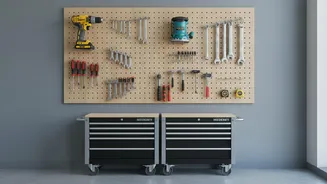
While power tools are a popular and practical starting point, these libraries often house a surprisingly diverse collection of items. The inventory is typically tailored to the community's needs. For instance, a 'Library of Things' might include kitchen appliances that are expensive or bulky to store, like stand mixers, juicers, or large cookers for festival preparations. Other popular items include camping gear, trekking poles, sewing machines, projectors for movie nights, and even telescopes or binoculars. The Goethe-Institut in Kolkata, for example, launched a Library of Things for its members with items ranging from toolboxes and speakers to sports articles and portable tents. This wide range makes it possible for residents to try new hobbies or tackle specific projects without the upfront cost of buying the necessary equipment.
The Triple Win: Save Money, Space, and the Planet
The benefits of a shared library are immediate and practical. First is the significant cost saving. For a small annual or per-use fee, residents gain access to thousands of rupees worth of equipment. This democratises access to high-quality tools that might otherwise be unaffordable. Second, in urban Indian homes where space is at a premium, not having to store a rarely used ladder or vacuum cleaner is a huge advantage. Finally, there's a strong sustainability angle. These libraries promote a culture of reuse, reducing overall consumption and the environmental impact associated with manufacturing and disposing of goods. Instead of a hundred households buying a hundred drills, one drill can serve the entire community.
How Does It Work?
The logistics of a tool library can vary. Some are managed through low-tech sign-out sheets in a locked community room. Increasingly, however, technology plays a key role. Planet Smart City, which develops affordable housing projects in India, uses a dedicated app where residents can browse available items, check their availability, and reserve them with a few clicks. This system provides easy access to things like ladders, pliers, drills, and screwdrivers. Membership models also differ. Some may require a small security deposit or an annual subscription fee to cover maintenance and replacement costs, while others might operate on a simple trust basis. Clear rules on borrowing times, late returns, and handling of damaged equipment are crucial for smooth operation.
Building Community One Tool at a Time
Beyond the practical benefits, one of the most celebrated outcomes of a tool library is the strengthening of community bonds. These shared spaces become natural meeting points, fostering interaction among neighbours who might otherwise never cross paths. The act of borrowing and returning an item can spark a conversation, and skill-sharing workshops or community repair events often spring up around these libraries. This collaborative environment helps build trust and a sense of collective ownership, turning a simple apartment complex into a more interconnected and supportive neighbourhood. It shifts the culture from individualistic consumption to community-led collaboration.