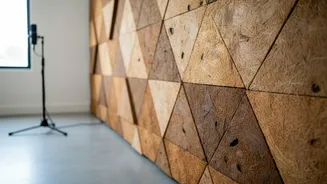








A Natural Solution for Superior Sound
The familiar grey wedges of synthetic studio foam are a staple in recording spaces, but they come with trade-offs. Most are made from polyurethane, a petroleum-based product that can release Volatile Organic Compounds (VOCs), especially when new. These
chemicals can affect indoor air quality and cause everything from headaches to respiratory irritation. Enter compressed coconut husk panels. Made from coir—the fibrous material from a coconut's outer shell—these panels are an upcycled wonder. The husks, once considered agricultural waste from India's massive coconut industry, are now being pressed into dense, durable boards, often using natural binders like latex or starch. This process turns a byproduct into a high-performance, non-toxic, and biodegradable material perfect for managing room acoustics.
The Science of Natural Sound Absorption
So, how does a coconut husk stop sound? The magic lies in its fibrous, porous structure. When sound waves hit the panel, they travel into the complex web of coir fibres. As the waves navigate this maze, friction converts the sound energy into a minuscule amount of heat, effectively trapping it. This process, known as sound absorption, is what tames echo and reverberation, making a room sound clearer and more professional. Studies have shown that coir panels have excellent sound absorption capabilities, in some cases performing as well as or better than their synthetic counterparts, especially when layered or combined with a perforated front plate to tackle lower frequencies. Unlike dense materials that merely reflect sound, the inherent porosity of coir makes it a natural sound absorber.
Fibre vs. Foam: A Health and Eco Showdown
When placed side-by-side with conventional foam, the advantages of coconut coir become even clearer. Beyond the acoustic performance, the biggest differentiator is health and sustainability. Coir panels are naturally free from the harmful chemicals and flame retardants often added to polyurethane foam, meaning they don't release VOCs into your creative space. This makes for a healthier indoor environment, which is crucial for rooms where you spend countless hours. Coir is also naturally resistant to moisture and mildew, a common issue in some climates that can cause synthetic foam to degrade and crumble over time. Environmentally, the contrast is stark. Coir panels are made from a renewable, abundant, and biodegradable resource. At the end of their life, they can be composted, returning to the earth. Synthetic foams, on the other hand, are derived from fossil fuels and will persist in landfills for centuries.
More Than Just Good Acoustics
While their primary function is sound absorption, coconut husk panels bring other benefits to a space. They possess natural thermal insulation properties, helping to regulate indoor temperatures by reducing heat transfer. This can contribute to energy efficiency, keeping a room cooler in the summer and warmer in the winter. Their unique, organic texture also offers a distinct aesthetic that many designers and homeowners prefer over the industrial look of synthetic foam. Available in various finishes, they can add warmth and a natural element to an interior, blending seamlessly with modern decor. Furthermore, by choosing products made from coir, consumers support a circular economy that reduces agricultural waste and creates value from a sustainable resource.