



A Farewell to Fried Favourites?
For decades, the workday rhythm in Maharashtra's government offices has been punctuated by the arrival of hot, crispy samosas, batata vadas, and pakodas. These snacks are more than just food; they are a cultural institution, fuelling meetings and fostering
camaraderie. However, a new directive from the state government is set to dramatically change this familiar scene. In a significant policy shift, the Maharashtra Cabinet has approved a measure to make healthy snacks and balanced meals mandatory in all government and semi-government offices, canteens, and at official events. This move aims to gradually reduce the prevalence of oily, ultra-processed foods that have long dominated the office snack landscape.
The Rationale: A Public Health Push
This culinary transition is not arbitrary but is rooted in serious public health concerns. The government has cited the rising incidence of non-communicable diseases (NCDs) such as diabetes, hypertension, obesity, and heart disease as a primary motivator for the change. Health officials point to sedentary work patterns, stress, and unbalanced diets as key contributors to this trend. By making nutritious food the default option at the workplace, where employees spend a significant portion of their day, the state aims to foster a healthier lifestyle and, in turn, improve efficiency and productivity. The policy is designed to serve as a nudge, encouraging the government's own workforce to adopt better eating habits with the hope of inspiring a wider cultural shift in society.
Meet the New Canteen Menu
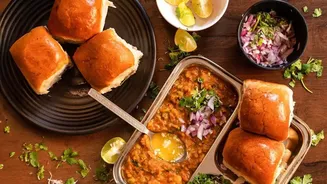
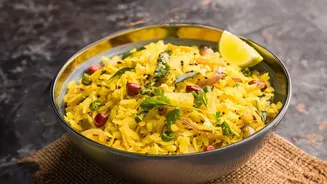
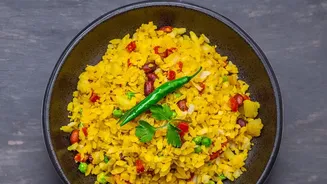
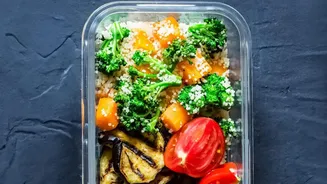
So, what exactly is replacing the beloved fried snacks? The new menu is diverse and focuses on whole, nutritious, and local foods. For short meetings and tea breaks, employees will be offered options like seasonal fruits, boiled eggs, sprouted pulses, and roasted chickpeas or peanuts. Instead of samosas, you might find vegetable poha, idli-sambar, or vegetable upma. Millets are a cornerstone of the new policy, with items like millet khichdi and bhakris made from jowar, bajra, and ragi being heavily promoted. Beverages are also getting a makeover. Sugary tea and coffee will see competition from coconut water, buttermilk, solkadhi, and unsweetened green or herbal tea. For longer, full-day programs, the menus are even more comprehensive, featuring hand-pounded rice, dal, leafy vegetables, and salads, with fresh fruit replacing traditional sweets for dessert.
Implementation and Guidelines
This is not just a suggestion but a formal policy backed by a Government Resolution (GR). All government departments have been instructed to include these new healthy menu provisions in any new catering contracts. To ensure consistency and quality, the menus are expected to follow guidelines from respected bodies like the Indian Council of Medical Research-National Institute of Nutrition (ICMR-NIN) and the Food Safety and Standards Authority of India (FSSAI). Some offices, like the main Mantralaya canteen in Mumbai, have already begun implementing these changes, successfully reducing the proportion of oily snacks and introducing items like dal, usal, and salads into daily meals. Before a full rollout, institutions have also been asked to create awareness and discuss the new health-conscious approach with their employees.