



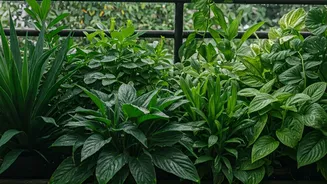


The Science of a Better Mood
It’s not just about aesthetics; there's science behind why plants make us feel good. Studies have shown that interacting with indoor plants can lower stress levels by reducing cortisol, the body's stress hormone. The simple act of caring for a living
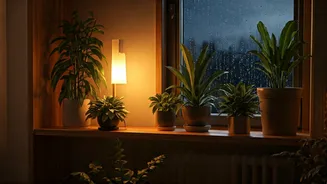
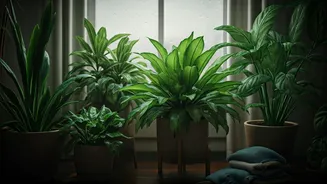
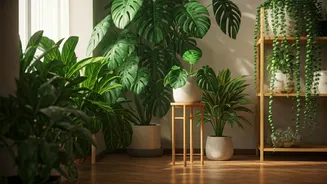
thing can foster a sense of purpose and mindfulness, promoting psychological well-being. Being around greenery is linked to feeling calmer, more at ease, and even more focused. During the Indian monsoon, when we spend more time indoors, creating a green sanctuary can significantly boost our spirits and improve the overall atmosphere of our living spaces.
Peace Lily: The Elegant Air Purifier
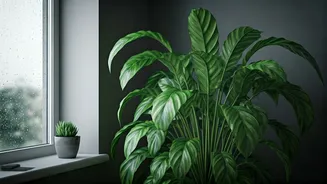
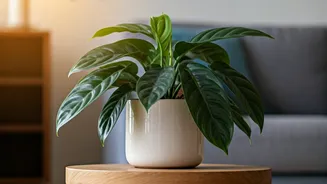
The Peace Lily, with its glossy dark leaves and elegant white blooms, is a monsoon superstar. It thrives in high humidity and low-light conditions, which are common during the rainy season. It's also celebrated for its ability to filter indoor air pollutants and absorb mould spores, making it perfect for the damp environment of a monsoon home. Be mindful not to overwater, as the soil will dry out much slower in the humid weather. Water only when the top inch of soil feels dry to the touch.
Snake Plant: The Indestructible Companion
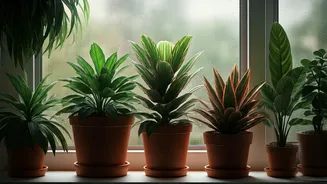
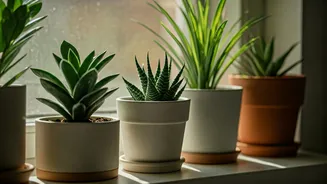
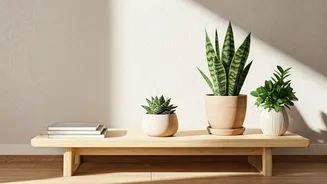
If you're new to plant parenting, the Snake Plant is your best friend. It's famously low-maintenance and can tolerate both low light and infrequent watering, making it almost indestructible. This plant is particularly well-suited for the monsoon as it is prone to root rot from overwatering, a common mistake during this season. A unique benefit is its ability to release oxygen at night, which most plants do during the day, making it an excellent choice for bedrooms to freshen the air while you sleep.
Money Plant: The Cascading Charmer
A common sight in many Indian homes, the Money Plant (Pothos) is incredibly versatile. Its trailing vines with heart-shaped leaves can brighten any dull corner, whether placed on a shelf or in a hanging basket. It adapts well to the low light and high humidity of the monsoon and is known to be an effective air purifier, removing common toxins from the air. Its fast growth during this season provides a rewarding experience, as you can visibly see your home becoming greener.
Areca Palm: The Tropical Humidifier
For those looking to make a statement, the Areca Palm brings a lush, tropical feel indoors. Its feathery fronds add a touch of elegance and it functions as a natural humidifier, which can be beneficial in air-conditioned rooms that get too dry despite the rain outside. It handles the typical monsoon climate well but requires bright, indirect light to thrive, so place it near a window that isn’t getting battered by direct rain. Like other palms, it helps in purifying the air you breathe.
ZZ Plant: The Low-Light Champion
The Zamioculcas zamiifolia, or ZZ Plant, is another hero for beginners and those with low-light homes. Its wide, waxy, dark green leaves look perpetually polished and bring a touch of modern elegance. The ZZ plant thrives on neglect; it requires very little water and is perfectly happy in the shadiest corners of your home, making it an ideal choice for the darker days of the monsoon. Its resilience against drought means you're at very low risk of overwatering it during the humid months.
Monsoon Care Essentials
Caring for plants during the Indian monsoon requires a slight shift in routine. The biggest danger is overwatering, as high humidity means soil stays wet for much longer. Always check if the top layer of soil is dry before watering. Ensure every pot has drainage holes to let excess water escape and prevent root rot. Good air circulation is also key; open windows when it's not raining or use a fan to keep the air moving and discourage fungal growth and pests that thrive in damp, stagnant conditions.