





The Mystery of the Uncooked Dal
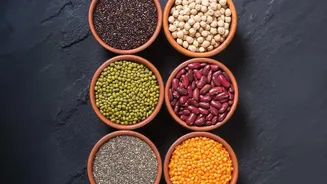
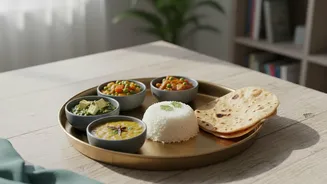
We've all been there. You plan a comforting meal of rajma or chana masala, follow all the steps, but after the designated cooking time, the beans remain disappointingly firm. You increase the time, add more water, and maybe even give your pressure cooker
a stern look, yet nothing seems to work. It’s a frustrating experience that can make even seasoned cooks doubt their skills. The reason often has less to do with the recipe or the appliance and more to do with an invisible factor: the age of your dried pulses. While dried beans and lentils seem imperishable, they are not. Just like any other foodstuff, they undergo changes over time that significantly impact their texture and, most importantly, their cooking time.
The Science Behind Why Age Matters
As dried pulses sit in your pantry or on a store shelf, they continue to lose moisture. While their initial moisture content is already low, further drying makes their seed coats even harder and less permeable to water. But the main scientific reason involves changes to a substance called pectin, which acts as a glue holding the bean's cell walls together. Over time, and especially in the presence of hard water which contains calcium and magnesium ions, this pectin structure can become stronger and more resistant to breaking down with heat. This process, sometimes called lignification, essentially makes the pulse's skin woody and tough, preventing water from penetrating and softening the inside. The older the bean, the more this effect is pronounced, sometimes doubling the cooking time or, in extreme cases, preventing them from softening at all.
How to Identify and Store Pulses
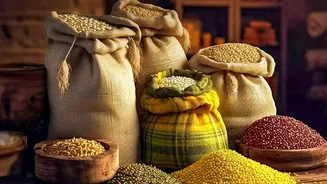
Unfortunately, it's often difficult to tell the age of pulses just by looking at them, as packaging rarely includes a harvest or packing date. The best strategy is to purchase them from a store with high turnover, where the stock is more likely to be fresh. If you buy from bulk bins, look for pulses that are brightly coloured, uniform in size, and have smooth, un-shrivelled skins. Once home, proper storage is key to preserving freshness. Keep your pulses in a cool, dark, dry place inside an airtight container. This protects them from humidity and light, which can accelerate the hardening process. While they can be kept for a long time, it's best to try and use them within a year of purchase for optimal results.
Mastering the Soak for Older Pulses
Soaking is your first and best line of defence, especially for older, harder pulses. An overnight soak rehydrates the beans, effectively giving them a head start and cutting down the final cooking time. For particularly stubborn or old beans, a little kitchen science can help. Adding a small amount of baking soda (about 1/8 to 1/4 teaspoon per litre of water) to the soaking water creates an alkaline environment. This helps to break down the tough pectin, allowing the pulses to soften more easily. If you're short on time, a 'quick soak' method works well: cover the pulses with water, bring to a boil for 2-3 minutes, then remove from the heat, cover, and let them stand for an hour before proceeding with cooking.
Smart Cooking Adjustments
Beyond soaking, a few adjustments during cooking can make all the difference. A pressure cooker is an invaluable tool, as the high temperature and pressure can successfully soften even very old beans. One of the most critical rules is to delay adding acidic ingredients. Things like tomatoes, lemon juice, vinegar, or tamarind can strengthen the pectin in the bean skins, effectively 'setting' them and preventing them from becoming tender. Always wait until your dal or beans are fully cooked and soft before stirring in your tomato puree or a squeeze of lime. Contrary to a popular myth, adding salt to the cooking water does not toughen beans; in fact, it can help them cook more evenly and result in a creamier texture.