

Beyond Butter Chicken
For years, the Indian restaurant scene, especially for younger crowds, was dominated by a familiar rotation of North Indian staples, Indo-Chinese favourites, and Western fast food. But a quiet revolution is simmering. The new culinary hotspots are those
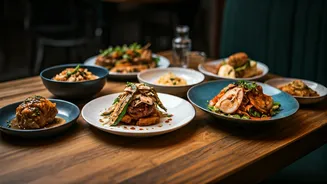
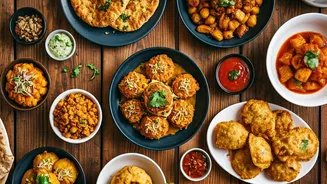
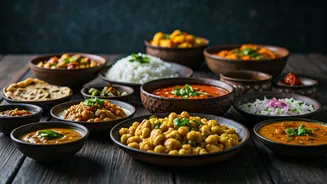
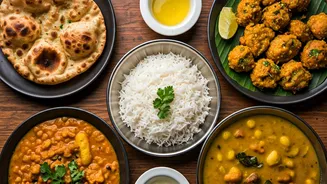
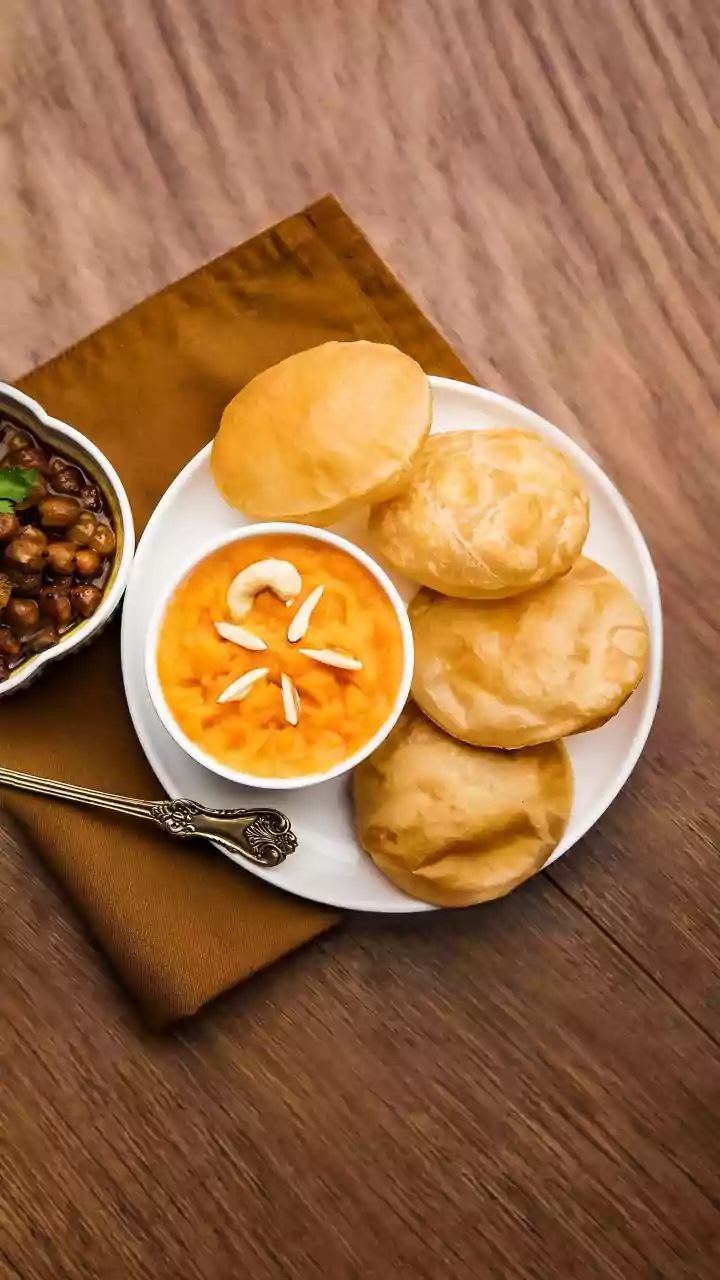
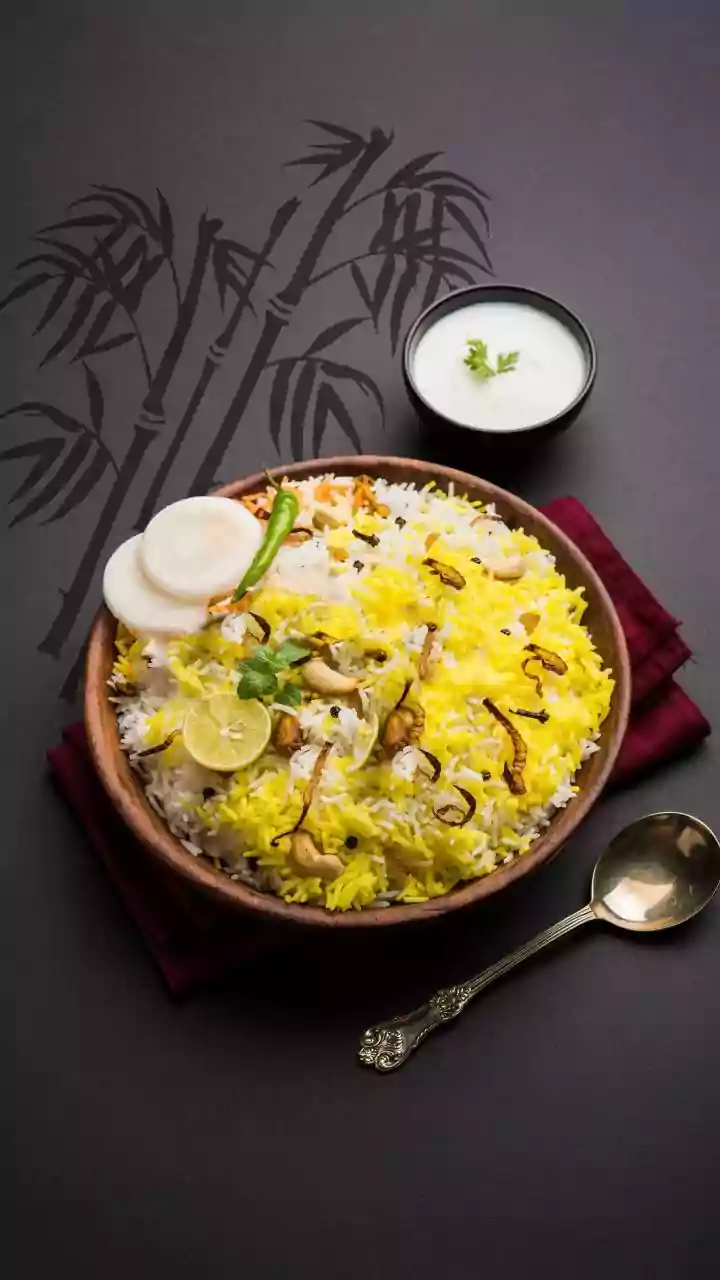
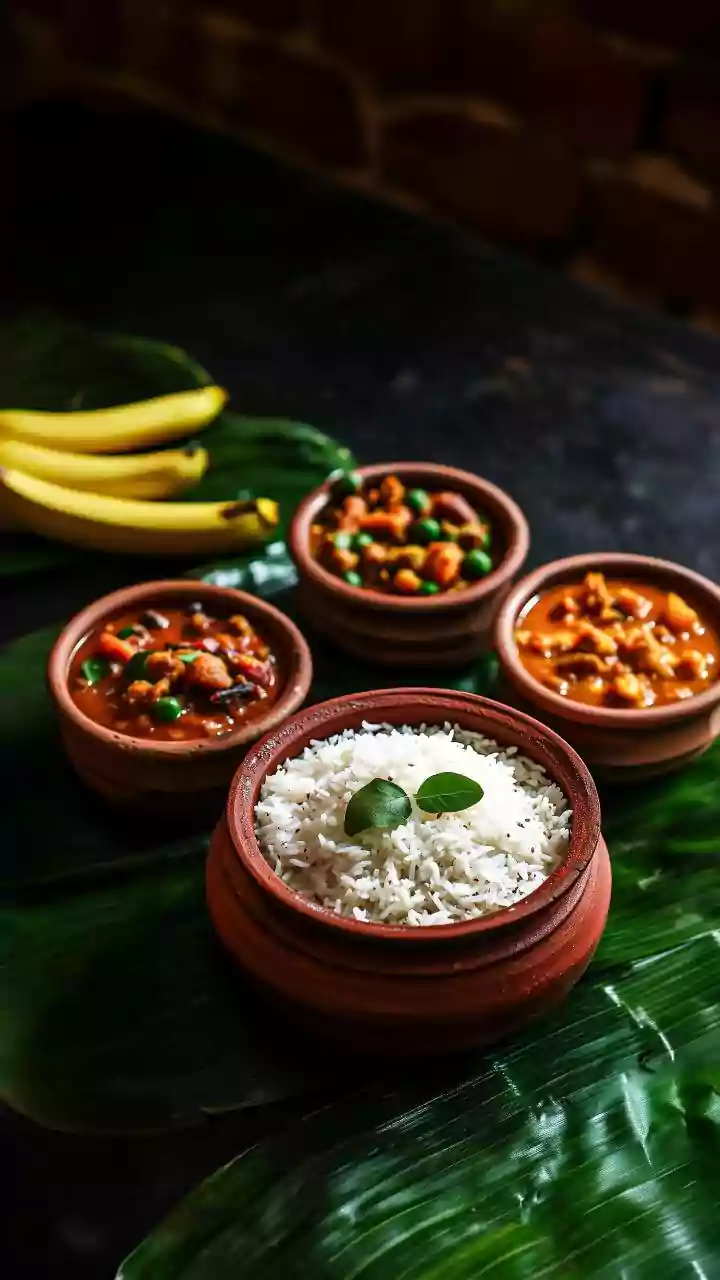
that dare to go deeper into India's vast gastronomic map. We're seeing a revival of lesser-known dishes, from Bihari litti chokha and Naga smoked pork to Maharashtrian pitla and traditional thalis. This isn't just about food; it's a cultural shift. Restaurants are discovering that menus celebrating specific regional identities are a powerful way to attract Gen Z and Millennial diners who are hungry for something real.
The Quest for Authenticity and Identity
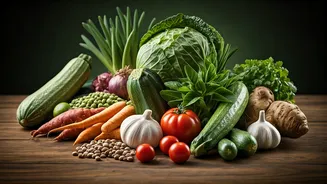
So, what’s behind this change? A major driver is the youth's search for authenticity. In a world saturated with globalised trends, younger generations are turning inward, seeking connections to their heritage. Regional food offers a tangible link to family histories and cultural roots. This movement, sometimes dubbed “Nani-Core,” sees young people rediscovering and celebrating grandmother-style recipes. It’s a form of cultural self-expression, a way to assert identity in a crowded digital world. This trend is coupled with a broader wellness movement. Young Indians are increasingly health-conscious, seeking out healthier, organic, and sustainably sourced ingredients—qualities often found in traditional, local cooking.
A Feast for the Social Media Feed
It’s impossible to talk about youth trends without mentioning social media. Platforms like Instagram and TikTok have become powerful engines for food discovery. The visual appeal of a unique, colourful, and previously unseen regional dish is undeniable. The rustic charm of a Maharashtrian thali, the vibrant colours of a Bengali mustard fish curry, or the unique presentation of a litti chokha are tailor-made for a viral reel. Food influencers and creators have played a huge role, turning humble, home-style dishes into highly stylised, aspirational content. This digital exposure introduces hyper-local cuisines to a national audience, sparking curiosity and driving traffic to restaurants that offer these authentic experiences.
How Restaurants Are Responding
The food industry is taking note. Across India, new cafes and even established chains are revamping their menus. We're seeing dedicated sections for regional specials, pop-ups celebrating the cuisine of a specific state, and entire restaurants built around a single regional concept. In cities like Mumbai, Delhi, and Bengaluru, establishments like The Bombay Canteen, Potbelly Rooftop Café, and Farmlore are gaining popularity by reinterpreting classic regional dishes with a modern twist, focusing on fresh, local, and seasonal ingredients. Even packaged food brands are launching products inspired by regional recipes, from artisanal pickles to ready-to-cook mixes, proving that authenticity sells. This trend highlights a move away from generic offerings toward products with a clear story and sense of place.