




Why Bodyweight Training is Perfect for You
You don't need a gym membership or bulky equipment to get a fantastic workout. Bodyweight training uses your own body as resistance, making it an incredibly effective way to build functional strength, improve coordination, and enhance stability. This
method focuses on compound movements that engage multiple muscle groups simultaneously, giving you a full-body workout. The best part? You can do it anywhere, anytime. Whether you're in a small apartment, a hotel room, or your living room, your body is the only tool you need. This approach eliminates common excuses like cost, travel time, and lack of space, making it easier than ever to be consistent.
Creating Your Mini Workout Zone
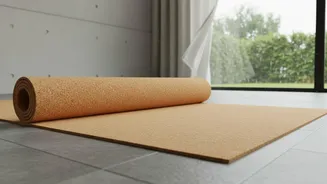
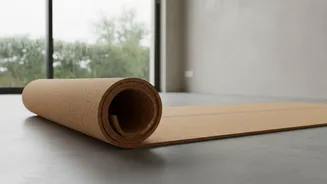
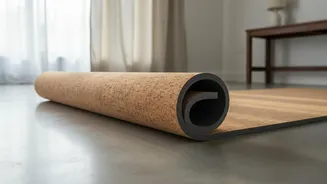
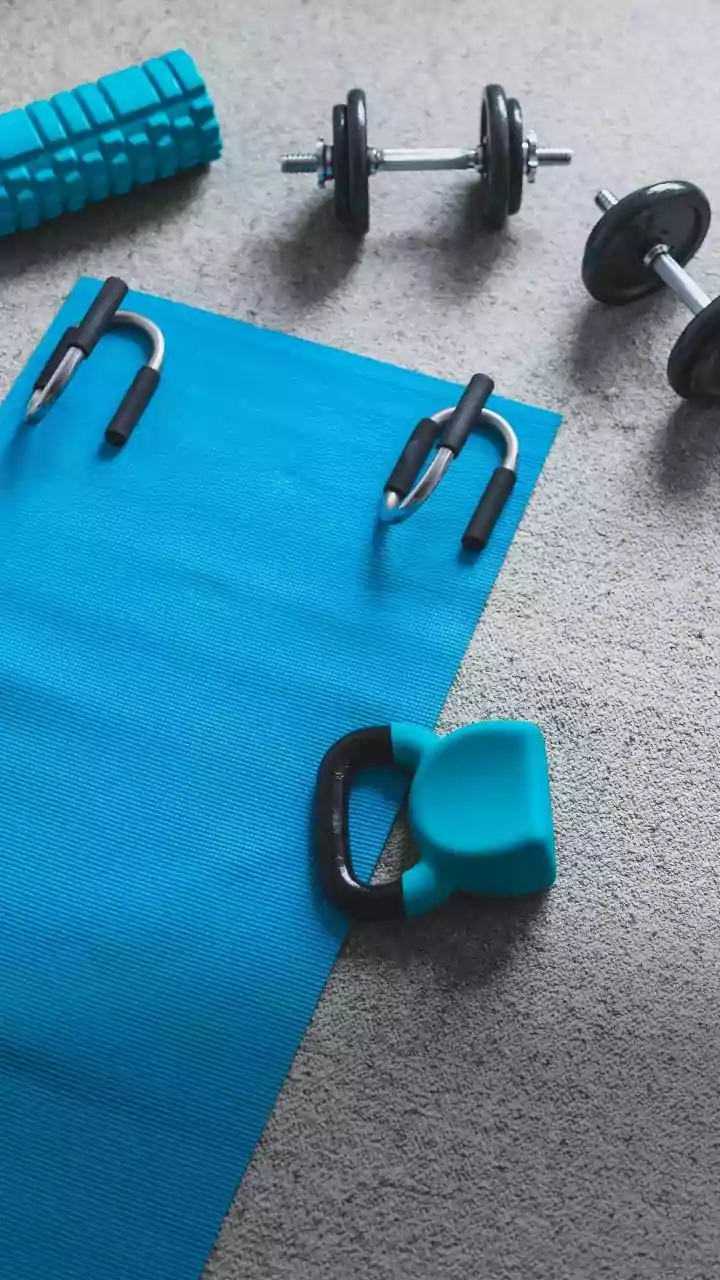
You don't need a dedicated home gym; a small, clear space is enough. Find a spot where you have enough room to lie down and extend your arms and legs. This could be a corner of your bedroom or the area in front of your sofa. Using an exercise mat can provide cushioning and help define your workout area, signalling to your brain that it's time to exercise. To stay motivated, try to keep this space organised and ready. Some people find that laying out their workout clothes the night before or creating a pre-exercise ritual helps build a strong habit. The goal is to remove as many barriers as possible between you and your workout.
The Foundational Full-Body Exercises
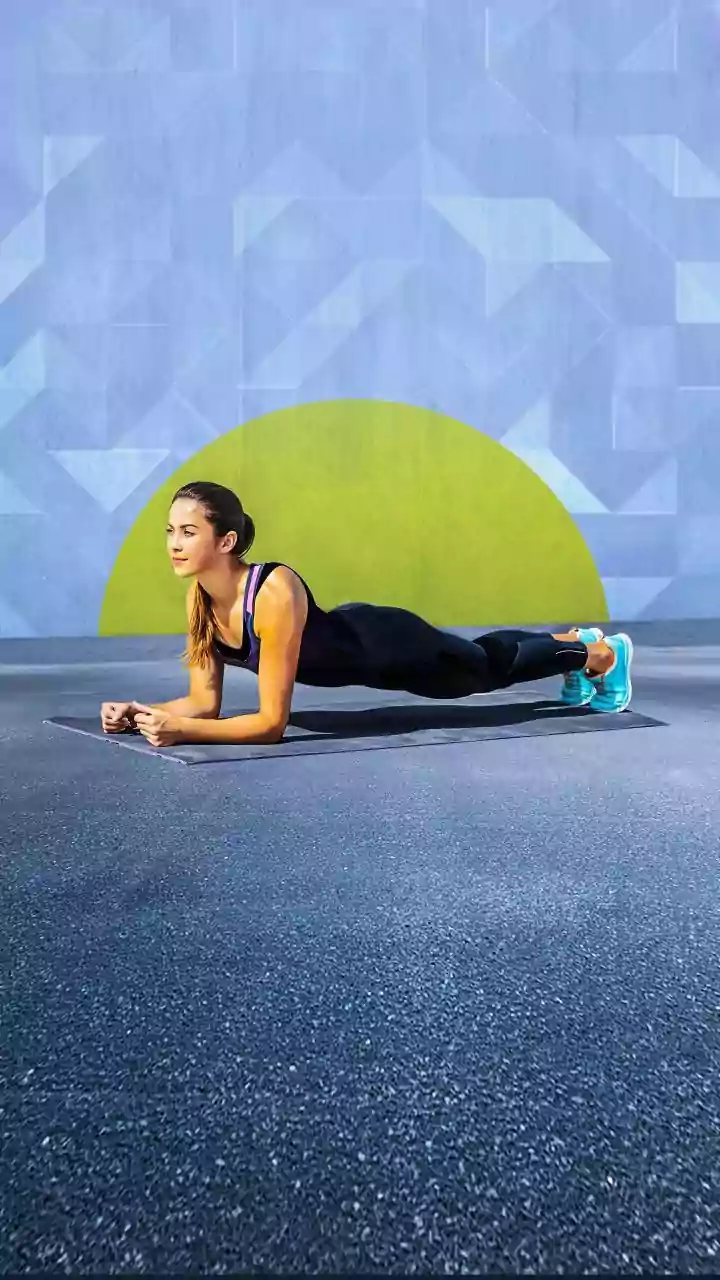
An effective routine is built on a few core movements that target the entire body. Start by mastering these four foundational exercises. Push-Ups are a powerhouse for the upper body, strengthening your chest, shoulders, and triceps. If a full push-up is too challenging, you can start on your knees or against a wall. Squats are essential for lower-body strength, working your glutes and legs. Focus on keeping your back straight and lowering your hips as if sitting in a chair. Lunges improve balance and work each leg independently, which is great for correcting strength imbalances. Finally, the Plank is a champion for core stability, which is crucial for protecting your lower back and improving posture.
Putting It All Together: Your Daily Routine
Consistency is more important than intensity when you're starting out. Aim for a short workout each day rather than a long, exhausting session once a week. A simple circuit can be highly effective. Try performing each of the foundational exercises (Push-ups, Squats, Lunges, Plank) for 30-45 seconds, with a 15-20 second rest in between. Once you've completed one round, rest for a minute and then repeat the entire circuit 2-3 more times. As you get stronger, you can increase the duration of each exercise or add more complex variations, such as jump squats or plank shoulder taps. Listening to upbeat music can also make your workout more enjoyable and motivating.
Staying Motivated for the Long Haul
The initial excitement for a new routine can fade. To stay on track, it's important to know your 'why'. Are you exercising to feel more energetic, manage stress, or improve your health? Reminding yourself of this purpose can help you push through on days when you lack motivation. Scheduling your workout like any other important appointment can also create accountability. Whether it's first thing in the morning or during your lunch break, find a time that works for you and stick to it. Remember that discipline often has to take over when motivation wanes. Start small and celebrate your consistency; it's the habit itself that builds lasting results.