









The Anatomy of a Craving
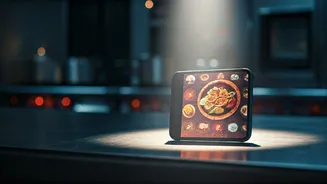
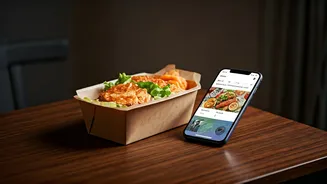
Food delivery platforms like Zomato and Swiggy have transformed from simple restaurant directories into sophisticated data powerhouses. Every tap, search, and order generates a data point. These companies know what cuisines are trending in which neighbourhoods,
what time of day people search for 'chai' versus 'pizza', and how much a discount can influence a dinner decision. This data collection is not just a byproduct of their service; it's a core part of their business model. By analysing millions of orders, they can identify patterns with startling accuracy, effectively creating a digital ethnography of the nation's appetite. Studies show these platforms have fundamentally altered meal timings for a significant portion of urban users, proving their deep integration into daily life.
Decoding the Dinner Rush
Dinner remains the undisputed champion of food delivery. According to Swiggy's annual report data from late 2024, dinner orders significantly outpaced lunch orders. But the story is in the specifics. Zomato's 2025 data pinpointed 8:25 PM as 'India's national dinner time', a moment when nearly 1.9 million orders were placed on its platform. This peak reflects the rhythms of modern urban life: long work hours and congested commutes push evening meals later. For many households, the convenience of ordering in has replaced the tradition of cooking after a long day. The data also reveals what we're eating. Biryani remains a perennial favourite, with millions of orders placed, while comfort foods like pizza and burgers also dominate the dinner landscape.
The Rise of the Midnight Munch
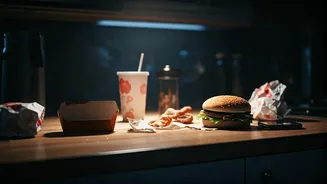
Perhaps the most dramatic shift in Indian eating habits is the explosion of late-night orders. What was once a niche market is now a booming segment, with demand for deliveries between 11 PM and 3 AM doubling in the past year alone. This trend is driven by a confluence of factors: young consumers with later sleep schedules, the rise of OTT streaming services fueling post-dinner snacking, and major sporting events like the FIFA World Cup creating new occasions for late-night meals. During these hours, the most popular items shift towards quick, satisfying comfort foods like burgers, pizzas, chicken rolls, and momos. Companies are responding by extending services, with chains like McDonald's and Domino's now keeping outlets open until 3 AM in major cities to meet the demand.
The Business of Hunger
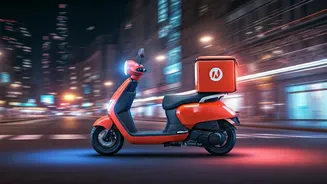
This granular understanding of India's 'hungry hours' is incredibly valuable. For the delivery platforms, it allows for sophisticated demand forecasting and logistical optimisation. They can predict when and where drivers will be needed most, ensuring that delivery times remain competitive even during peak rushes. It also powers their marketing engines, enabling them to push targeted promotions for specific cuisines at specific times. For restaurants, especially cloud kitchens, this data is a lifeline. It informs menu decisions, inventory management, and even the ideal location for a new delivery-only outlet. By analysing what a neighbourhood craves at 1 AM, a cloud kitchen can tailor its offerings to capture that specific demand, a level of market intelligence that was previously impossible.
A Changing National Palate
This data-driven ecosystem is not just reflecting our habits; it's actively shaping them. The convenience of 24/7 delivery has been linked to a decrease in home-cooking frequency and an increase in snacking. While platforms are introducing features like 'Healthy Mode', the primary driver remains convenience, which often leads to choices like fast food. Furthermore, the growth is no longer confined to metros. Tier-2 and Tier-3 cities are now showing robust growth in order frequency, indicating a nationwide shift in how India eats. As these platforms expand, their data will paint an even more detailed picture of a nation whose culinary traditions are rapidly evolving in the digital age.