






The Search for an Authentic Plate
Food tourism has become a powerful force, with over half of all leisure travellers identifying as “culinary travellers”. This isn't just about finding a good meal; it's about connecting with a place's culture, history, and identity through its cuisine.
From the bustling streets of Old Delhi to the serene backwaters of Kerala, travellers are seeking experiences that are genuine and memorable. They want the story behind the dish, the taste of ingredients grown in local soil, and a connection to the hands that prepared the meal. This desire for authenticity is what makes food a primary motivator for travel, promising a deeper, more immersive understanding of a destination.
The Hidden Costs of Year-Round Cravings
The expectation of finding any dish at any time of year, however, creates a significant strain. When restaurants cater to tourist demands for off-season favourites—like winter vegetables in peak summer—they often rely on complex supply chains, cold storage, and produce transported over long distances. This not only increases the carbon footprint of a meal but also disconnects the dining experience from its local context. The environmental toll includes higher energy use and a greater need for artificial growing conditions. Economically, it can sideline small, local farmers who cultivate seasonal crops in favour of large, non-local suppliers. This homogenised approach, where menus rarely change, risks diluting the unique culinary identity that attracted tourists in the first place, offering a generic experience that could be had anywhere.
The Virtuous Cycle of Seasonal Eating
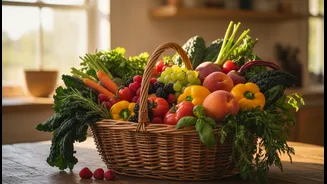
Embracing seasonality flips this script, creating a virtuous cycle that benefits everyone. First, the food simply tastes better. Produce harvested at its peak is fresher, more flavourful, and packed with higher nutritional value. Secondly, it provides a crucial boost to local economies. Supporting restaurants that buy from nearby farms ensures that tourist spending stays within the community, fostering agricultural viability and preserving culinary heritage. This 'farm-to-fork' approach shortens supply chains and builds a direct connection between producers and consumers. Finally, it's a more sustainable choice. Eating what is naturally available reduces the need for long-distance transport, extensive refrigeration, and energy-intensive farming, lowering the overall environmental impact of your meal.
Destinations That Live by the Calendar
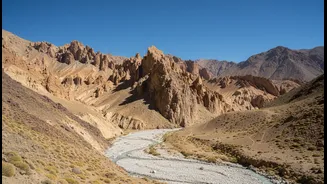
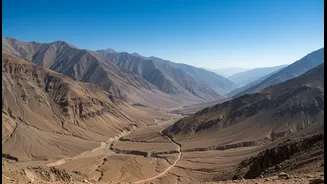
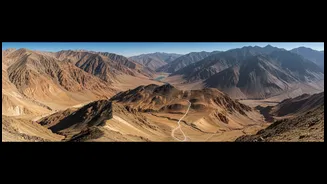
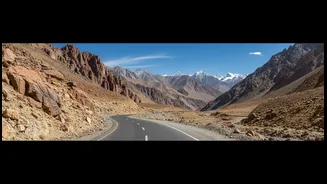
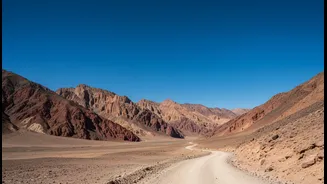
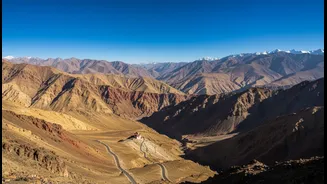
Across India, many regional cuisines are already deeply intertwined with the seasons. In the Himalayan belt of Himachal Pradesh or Ladakh, the short growing season dictates a diet of grains, dairy, and preserved foods perfect for the cold winters. Along the Konkan Coast, including Goa, the monsoon and winter seasons bring different bounties from the sea and land, shaping everything from fresh seafood dishes to traditional sweets. In Punjab, the winter experience is incomplete without 'sarson da saag', made from mustard greens available only during that time. These destinations offer a lesson in how culinary identity is not static but flows with the agricultural and climatic calendar, offering a different but equally authentic experience at different times of the year.
How to Be a More Conscious Food Traveller
Adopting a seasonal mindset as a traveller doesn't require being an expert; it simply requires curiosity. Before you go, research the local specialities tied to the season of your visit. When you arrive, explore local farmers' markets to see what's truly fresh. Ask restaurant staff or your hosts what's in season and what the kitchen is excited about right now. Often, the most delicious and memorable dishes aren't the famous ones listed in every guidebook but the transient specials that celebrate the present moment. Choosing a cooking class or food tour that highlights local sourcing can also provide a deeper appreciation for the region's agricultural rhythms. This approach transforms a meal from a simple transaction into a meaningful exchange that honours the place you're visiting.