







The Original Summer Cooler
For centuries, lassi has been a staple in Indian households, especially in the Punjab region. [4, 5] Often called the original smoothie, its history dates back to at least 1000 BC. [7, 15] Traditionally made by blending dahi (yogurt) with water and either
salt or sugar, it was created as the perfect antidote to the scorching summer heat. [5, 6] Served in clay mugs called kulhars to keep them cool, lassis were more than just a drink; they were a symbol of hospitality and a cornerstone of daily life. [4, 7] Its praised role in Ayurveda, the ancient Indian medical system, cemented its place not just as a refreshing beverage, but as a source of nourishment and balance. [6, 7]
A Gut-Friendly Powerhouse
At the heart of lassi’s wellness credentials is its star ingredient: yogurt. This makes it a natural and potent source of probiotics, the beneficial bacteria essential for a healthy gut. [3, 8] These probiotics help maintain a balanced gut microbiome, which is crucial for good digestion, nutrient absorption, and a strong immune system. [3, 17] Regular consumption can help alleviate common digestive issues like bloating and indigestion. [8, 11] Beyond digestion, lassi is packed with calcium for bone and dental health, protein for satiety, and essential nutrients like Vitamin D and B12 that boost the body's natural defenses. [3, 8, 11, 13]
The 21st-Century 'Glow-Up'
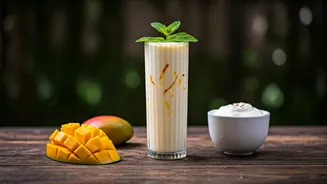
So, what does lassi’s modern “glow-up” look like? It’s about evolution, not replacement. Cafes and wellness influencers are now reimagining the classic drink with a host of new ingredients. Think banana-walnut lassis with flax seeds for a dose of omega-3s, or golden-hued versions with anti-inflammatory turmeric and ginger. [18, 19, 20] The beloved mango lassi, which for many was an introduction to the drink, is now joined by exotic fruit variations like strawberry. [4, 21] Even the presentation has been elevated for the social media age, with vibrant colours and artful garnishes. There are also dairy-free versions using almond or soy milk to cater to different dietary needs, making the drink more accessible than ever. [19]
Sweet, Salty, or Spiced?
One of lassi’s greatest strengths is its versatility. The two classic camps are sweet (meethi) and salty (namkeen). Sweet lassi often includes sugar, and can be fragrantly enhanced with rosewater or cardamom. [6, 7] Salty lassi, on the other hand, is a savoury delight, often spiced with roasted cumin and mint, making it an excellent digestive after a heavy meal. [7, 15] But the modern wellness trend is blurring these lines. You can now find spicy masala lassis with green chilli and chaat masala, or nutrient-dense versions with added seeds and nuts. [19, 22] This adaptability allows it to be anything from a light, refreshing drink to a satisfying and nutritious mini-meal.
Beyond the Trend: A Timeless Classic
While lassi is currently enjoying its moment in the wellness spotlight, its benefits are timeless. Unlike many modern health drinks that come and go, lassi is rooted in centuries of tradition and backed by the simple science of fermented dairy. [6, 10] Its ability to cool the body, aid digestion, and deliver essential nutrients isn't a fad. [13, 17] The current trend is less of a reinvention and more of a rediscovery, reminding us that sometimes the most effective wellness solutions are the ones that have been with us all along. The 'glow-up' simply adds new layers to an already perfect foundation, ensuring its relevance for generations to come.