



Understanding Why Dry Air Causes Damage
When humidity drops, the environment seeks moisture wherever it can find it—including from your scalp and hair. This process, known as transepidermal water loss, compromises your scalp's natural protective barrier, leading to dryness, irritation, and those
tell-tale white flakes. Simultaneously, your hair cuticles lift as they lose moisture, resulting in strands that feel brittle, look frizzy, and are more prone to breakage and split ends. This is often made worse by indoor heating, which further dries out the air.
Adjust Your Washing Routine
One of the quickest ways to combat dryness is to adjust how you wash your hair. First, turn down the temperature; very hot water can strip the scalp of its natural, protective oils. Opt for lukewarm water instead. Consider washing your hair less frequently to allow these oils to protect your scalp. When you do shampoo, choose a gentle, hydrating, and sulfate-free formula. Sulfates can be too harsh, stripping necessary moisture and worsening dryness. Look for products with hydrating ingredients like jojoba oil, vitamin E, or hyaluronic acid to replenish moisture.
Embrace Pre-Shampoo Oiling
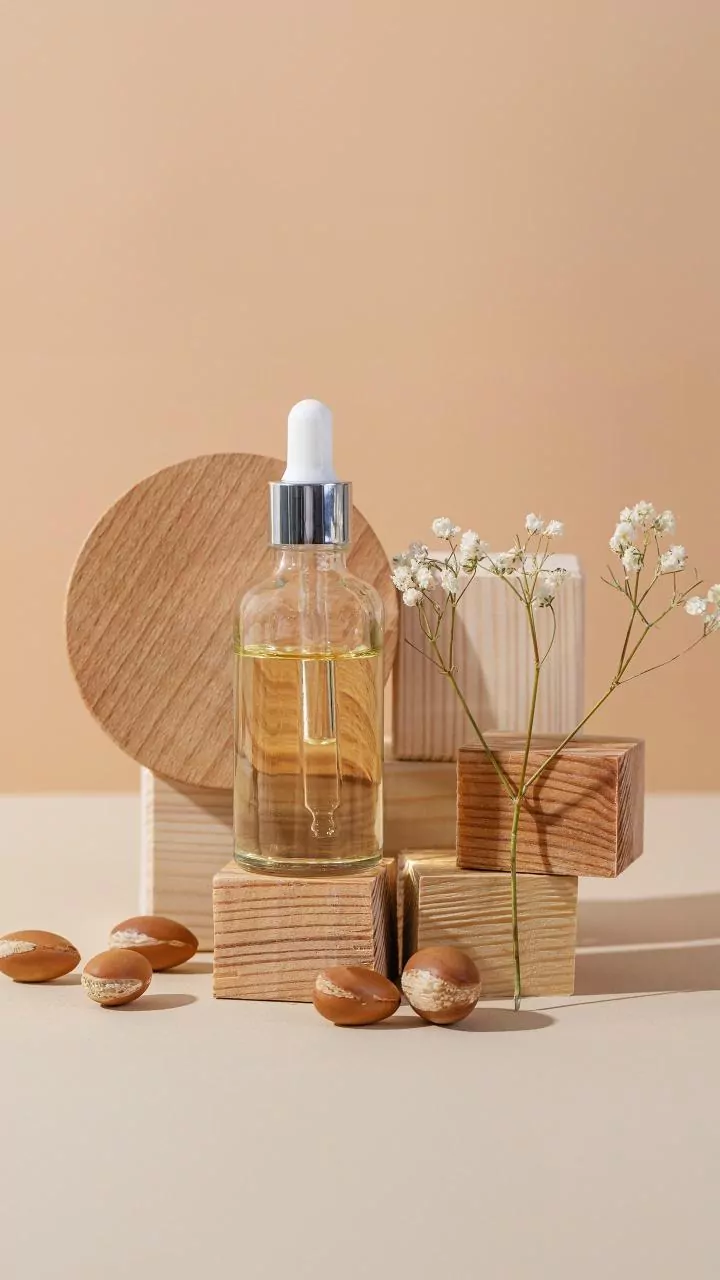
The traditional Indian practice of oiling your hair before a wash is particularly beneficial in dry weather. Applying a natural oil like coconut, almond, or argan oil to your scalp and hair for at least 30 minutes before shampooing creates a protective barrier. This helps prevent the shampoo from stripping away all of your hair's natural moisture. Coconut oil is especially effective as it has moisturising, antifungal, and antibacterial properties. Massaging the oil into your scalp can also help improve circulation.
Don’t Skip The Conditioner
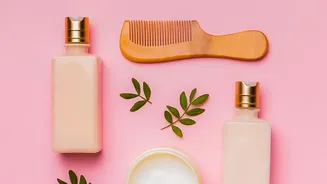
Conditioner is non-negotiable when fighting dryness. It works by smoothing the hair cuticle, which helps lock in moisture and reduce frizz. During drier seasons, consider upgrading to a richer, more intense moisturising conditioner. For an extra boost, use a deep-conditioning hair mask once a week. Leave-in conditioners and serums are also excellent for providing a continuous layer of hydration and protection throughout the day. Look for ingredients like shea butter, glycerin, ceramides, and argan oil, which are known for their ability to moisturise and repair.
Nourish From The Inside Out
What you eat and drink has a direct impact on your skin and hair health. Ensure you're drinking plenty of water throughout the day to stay hydrated. A diet rich in healthy fats and omega-3 fatty acids can also help replenish your skin from within. Foods like salmon, walnuts, avocados, and flax seeds are excellent choices for supporting a healthy, moisturised scalp. Vitamins B6, B12, and D are also crucial for scalp health.
What To Avoid
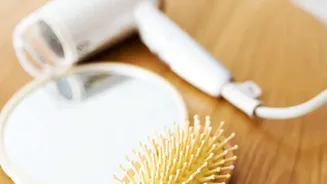
While you're adding good habits, it's just as important to drop the bad ones. Limit your use of heat styling tools like flat irons and curling wands, as they can sap moisture from already vulnerable hair. If you must use them, always apply a heat protectant spray first. Also, be mindful of hair products containing drying alcohols, like alcohol denat, which can make dryness worse. Finally, if you're battling flakiness, it's important to distinguish between a simple dry scalp and dandruff, which is often caused by excess oil and may require specific treatments with ingredients like tea tree oil or zinc pyrithione.