








A Trifecta of Scientific Reasons
The annual closure of core zones in tiger reserves and national parks, typically from June/July to September/October, is a multi-faceted strategy mandated by bodies like the National Tiger Conservation Authority (NTCA). While the most obvious reason is the heavy
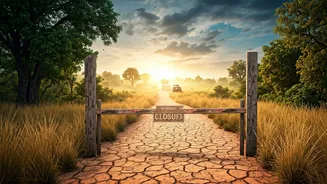
rainfall making dirt tracks impassable, the science behind the shutdown runs much deeper. It’s a calculated decision balancing three critical factors: the reproductive needs of wildlife, the ecological health of the habitat, and the safety of both humans and animals. This period is less a closure and more a necessary sabbatical for nature to reset and thrive without human interference.
The Breeding Season Imperative
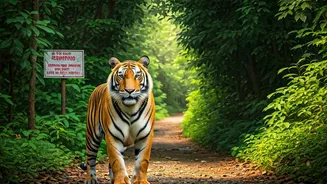
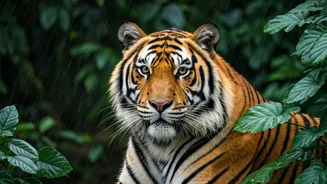
The monsoon is a crucial breeding and cub-rearing period for many species, including tigers, leopards, and their prey like deer. Constant movement of safari vehicles and tourist presence can cause significant stress to animals, potentially disrupting mating rituals or causing a mother to abandon her young. By closing the parks, authorities ensure that wildlife can engage in these essential life-cycle activities in a peaceful, undisturbed environment. This is vital for successful breeding outcomes and the long-term sustainability of animal populations within these protected areas.
Letting the Land Heal and Regenerate
Months of safari tourism take a toll on the forest ecosystem. The constant plying of heavy vehicles compacts the soil, damages vegetation, and creates dust. The monsoon offers a vital window for nature's own maintenance crew to get to work. The rains soften the earth, allowing new grasses and plants to sprout, which are essential food for herbivores. The flooding in riverine ecosystems like Kaziranga, while seemingly destructive, is a natural process that deposits nutrient-rich silt and removes invasive plant species, rejuvenating the grasslands that rhinos and other animals depend on. Closing the park allows this natural regeneration to occur unimpeded, strengthening the entire food chain from the ground up.
Safety First: For Visitors and Staff
Beyond the ecological and biological reasons, there are serious practical safety concerns. Monsoon rains transform the park's internal network of dirt tracks into treacherous paths of slippery mud and slush, making them impassable and dangerous. Vehicles can easily get stuck for hours, and the risk of landslides in hilly terrain or flash floods from swelling rivers is very real. Closing the parks during this period is a fundamental safety measure to protect tourists, guides, and forest department staff from accidents in remote and inaccessible areas.
A Conservation Cornerstone, Not an Inconvenience
While core areas shut down, many reserves keep buffer zones open for limited, regulated tourism, offering a different, albeit wetter, safari experience. This highlights that the primary closure is a targeted conservation action. It allows park authorities to carry out essential maintenance on roads and infrastructure that have been battered by a full tourist season and the initial onslaught of rain. By viewing the monsoon closure not as a locked gate but as a period of vital rejuvenation, we can better appreciate the complex science and careful management required to protect India's incredible biodiversity for generations to come.