





In the kingdom of tropical fruits, mango and papaya are true royalty. But which one wears the nutritional crown? This common debate misses the point. The real story is how their distinct nutritional profiles make them perfect partners in a healthy diet.
The Sweetness and Calorie Score
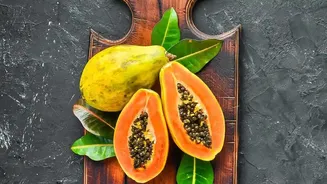
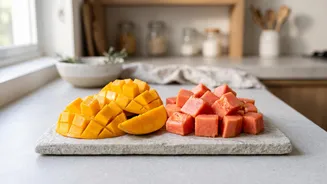
When it comes to taste, mango is often celebrated for its rich, complex sweetness, while papaya offers a milder, muskier flavour. This difference is reflected in their calorie and sugar content. A 100-gram serving of mango contains around 60 calories and 14 grams of sugar. In contrast, the same amount of papaya has fewer calories, about 43, and significantly less sugar, around 8 grams. This makes papaya a lighter option, particularly for those managing their sugar intake or calorie goals. Mango, being more energy-dense, provides a sweeter and more potent burst of flavour.
The Vitamin C Powerhouse
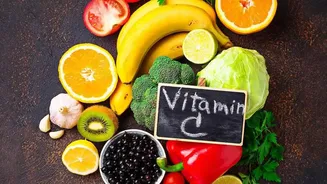
If you're looking to boost your immune system, both fruits are excellent choices, but papaya has a clear advantage in the Vitamin C department. A 100-gram serving of papaya delivers about 61 mg of Vitamin C, which is roughly 68% of the recommended daily value. Mango is no slouch, providing a respectable 36 mg of Vitamin C in the same portion, but papaya is the decisive winner for this crucial antioxidant. Vitamin C is vital for immune function, skin health, and protecting the body against damage from free radicals.
Mango's Golden Advantage: Vitamin A
While papaya leads in Vitamin C, mango shines brightest when it comes to Vitamin A. Mango is packed with beta-carotene, a precursor to Vitamin A that gives the fruit its vibrant orange-yellow hue. A 100-gram portion of mango contains significantly more beta-carotene than papaya. Some varieties of mango can contain more than double the amount found in papaya. This nutrient is essential for maintaining healthy vision, supporting immune function, and promoting skin cell turnover for a healthy glow.
Digestion, Fibre, and a Special Enzyme
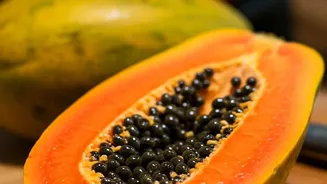
Both fruits are beneficial for digestion, thanks to their fibre content, which is quite similar at around 1.6 to 1.7 grams per 100 grams. However, papaya contains a unique weapon for digestive health: an enzyme called papain. Papain is a proteolytic enzyme, meaning it helps break down proteins, which can aid digestion, particularly after a heavy, protein-rich meal. This has made papaya a traditional remedy for bloating and constipation. While mango also supports gut health with its combination of fibre and amylase compounds, papaya's papain offers a distinct digestive advantage.
A Look at Other Key Nutrients
Beyond the headline vitamins, both fruits contribute other important nutrients to your diet. Mango is a better source of Vitamin E and folate (a B-vitamin crucial during pregnancy). Papaya, on the other hand, contains more lycopene, an antioxidant also found in tomatoes that is linked to heart health. Both fruits provide a good amount of potassium, which is important for regulating blood pressure.
The Verdict: Perfect Partners in Health
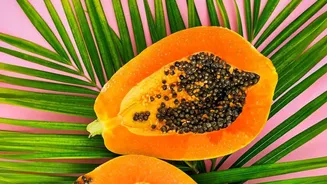
Instead of declaring one fruit superior, their nutritional differences show why both deserve a place on your plate. Think of them as specialists. Reach for papaya when you want a lower-sugar, lower-calorie option that's exceptionally high in Vitamin C and offers unique digestive support from papain. Choose mango when you crave a sweeter treat and want to maximise your intake of Vitamin A for eye and skin health. During mango season, enjoy its rich flavour and antioxidant benefits. Throughout the rest of the year, papaya is an excellent, readily available choice to keep your tropical fruit intake high.