




The Foundational Benefits of Cat-Cow
Known in Sanskrit as Marjaryasana-Bitilasana, Cat-Cow is a dynamic sequence often used to warm up the spine at the beginning of a yoga class. Its popularity stems from its accessibility and profound effects. The gentle, flowing movement helps to improve
spinal flexibility, reduce feelings of stiffness, and promote better posture by encouraging healthy alignment. By moving between the two poses, you stretch the front and back of your torso, activate your core muscles, and can even help relieve tension in the back and neck, especially after long hours of sitting. The coordination of movement with breath also calms the mind and enhances body awareness.
How to Set Up Your Starting Position
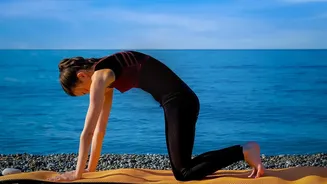
Proper alignment is crucial for a safe and effective Cat-Cow. Begin on a yoga mat or soft surface in a 'tabletop' position on your hands and knees. Your hands should be placed directly under your shoulders, with your fingers spread wide to distribute weight evenly. Your knees should be positioned directly under your hips, about hip-width apart. Your spine should be in a neutral, long line—not arched or rounded. Keep your head as a natural extension of your spine, with your gaze directed toward the floor.
Flowing Into Cow Pose (Bitilasana)
The Cow pose is synchronized with your inhalation. As you take a deep breath in, begin to tilt your pelvis forward so your tailbone lifts toward the ceiling. Allow your belly to drop gently toward the floor. At the same time, broaden your collarbones, draw your shoulder blades toward each other, and lift your chest forward and up. Your gaze should lift forward, but avoid cranking your head back; the neck should remain a long, natural extension of the U-shape your spine is making. The entire movement should feel like a gentle opening across the front of your body.
Transitioning to Cat Pose (Marjaryasana)
The Cat pose is performed on the exhalation. As you breathe out, initiate the movement from your tailbone again, this time tucking it under. Press firmly into your hands and begin to round your spine toward the ceiling, like an arching cat. Draw your navel in toward your spine to engage your core muscles. Allow your shoulder blades to spread apart and let your head release gently toward the floor, tucking your chin toward your chest without forcing it.
What to Check: Common Mistakes to Avoid
To get the most out of Cat-Cow, pay attention to these common errors. A primary mistake is rushing the movement and not syncing it with your breath. Aim for a slow, mindful flow, with each inhale for Cow and each exhale for Cat taking three to five seconds. Another frequent error is initiating the movement from the head instead of the pelvis. Let the tailbone lead, allowing the wave of motion to travel up the spine. Also, be careful not to strain your neck by flinging your head back in Cow pose. Finally, ensure you are not locking your elbows; keep a micro-bend in them to maintain stability. The goal is a pleasant stretch, so if you feel any pinching or sharp pain, reduce your range of motion.
Modifications for Every Body
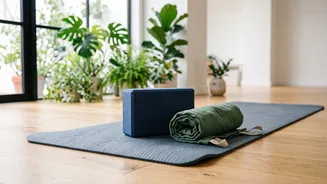
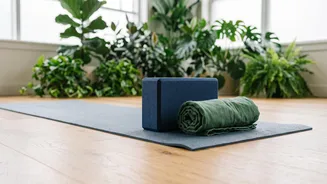
Cat-Cow is adaptable. If you have sensitive knees, place a folded blanket or towel underneath them for extra cushioning. For wrist pain, you can make fists with your hands and rest on your knuckles, or perform the pose on your forearms. Pregnant individuals should keep the movement gentle, widening the knees to create space for the belly and avoiding any deep arch in the lower back that could cause strain. The entire sequence can also be done while seated in a chair by placing your hands on your knees and moving through the spinal flexion and extension.