




Understanding Gold Purity: What 'Karat' Means
Before diving into which gold to buy, it's essential to understand what 'karat' (K) signifies. The karat system measures the purity of gold out of 24 parts. So, 24K gold is theoretically 100% pure gold, though commercially it's about 99.9% pure. By contrast,
22K gold means that 22 parts are pure gold and the remaining two parts are other metals, making it 91.67% pure gold. These other metals, known as alloys, typically include copper, silver, or zinc. This system continues down to 18K (75% pure gold) and 14K (58.3% pure gold). The higher the karat, the more pure gold content, and consequently, the higher the price per gram.
The Allure and Weakness of 24K Gold
There's no denying the appeal of 24K gold. It has a distinct, vibrant, and rich yellow hue that is unmatched by lower purities. This is gold in its most unadulterated form. However, this purity comes with a significant drawback: softness. Pure gold is an extremely malleable metal, which means it can be easily bent, scratched, and dented. Imagine wearing a pure 24K gold ring while doing daily chores; it would quickly lose its shape and show signs of wear. This softness makes it unsuitable for most forms of jewellery, especially intricate designs or pieces meant for everyday use. It simply cannot withstand the rigours of daily life.
The Practical Strength of 22K Gold
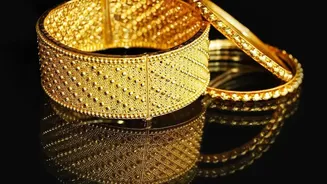
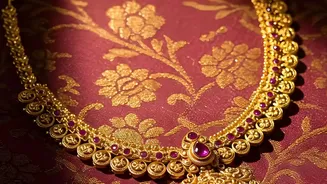
This is where 22K gold shines as the preferred choice for jewellery, particularly in India. That small 8.33% of alloyed metal—usually a mix of silver, copper, and zinc—makes a world of difference. The alloys dramatically increase the gold's hardness and durability, making it strong enough to be crafted into detailed designs and to hold its shape during regular wear. This makes 22K gold the sweet spot for creating everything from sturdy bangles to elaborate necklaces that are meant to last for generations. While slightly less bright than 24K, it still possesses a beautiful golden lustre that is highly valued. For even more durability, especially for diamond and gemstone settings, jewellers often prefer 18K gold, as its 25% alloy content provides even greater strength to securely hold stones.
Investment vs. Adornment: Defining Your Purpose
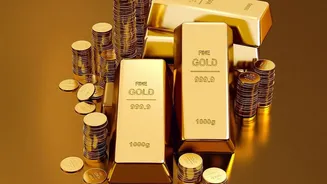
Ultimately, the choice between 24K and 22K gold comes down to your primary purpose. If your goal is purely investment, 24K gold is the undisputed winner. It is sold in the form of bars and coins, and its value is directly tied to the market rate of pure gold, with no deductions for other metals or 'making charges'. It is a tangible asset meant for storage and wealth preservation. However, if you are buying gold to wear and enjoy as jewellery, 22K is the far more practical and logical choice. It offers an excellent balance of high purity and the necessary durability for adornment. You get to wear your investment without the constant worry of damaging it.
What About Resale Value and Hallmarking?
A common question is how the purity affects resale value. While 24K gold commands a higher price per gram, when you sell 22K jewellery, the value is calculated based on the weight of the pure gold content (91.67%). Reputable jewellers will melt the piece and assess its purity. This is why buying hallmarked jewellery is crucial. The Bureau of Indian Standards (BIS) hallmark certifies the purity of the gold, ensuring you get what you paid for. A BIS hallmark on 22K gold, often stamped as '916', gives you confidence in its purity and ensures a fair valuation at the time of resale. While making charges are generally not refunded, hallmarked 22K jewellery retains its intrinsic gold value very well.