



The Whole Food Advantage
Before diving into specific foods, it's important to understand why whole food protein sources are often superior to processed powders. While supplements offer convenience, whole foods provide a complete nutritional package. They contain essential vitamins,
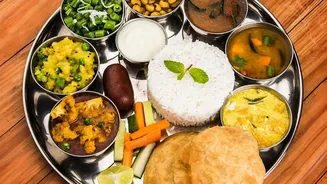
minerals, fibre, and healthy fats that work together. This 'food matrix' helps with satiety, keeping you fuller for longer, and ensures your body gets a spectrum of nutrients, not just isolated protein. Many Indian meals naturally combine ingredients to create complete proteins, a concept that has been part of the cuisine for centuries.
The Power of Pulses and Legumes
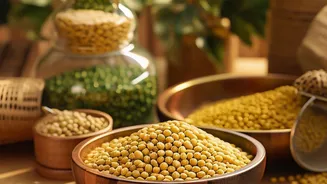
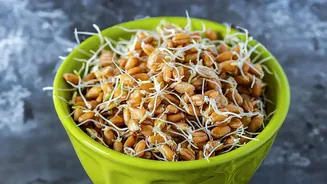
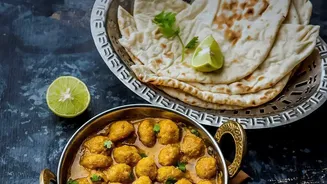
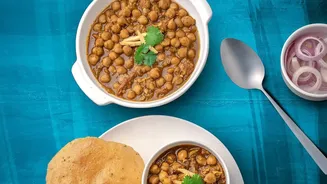
Dals are the foundation of Indian protein intake, and for good reason. A single cup of cooked dal can provide between 12 to 18 grams of protein. Moong dal is not only protein-rich, with about 24g per 100g (dry), but also famously easy to digest. Urad and chana dal are also protein giants, packing around 25g per 100g. Beyond the daily dal, legumes like chickpeas (chana) and kidney beans (rajma) are excellent. A cup of cooked chickpeas offers around 15g of protein. Incorporate them as curries like chole or rajma, or in vibrant snacks like a sprouted moong salad, which enhances protein absorption.
Dairy Delights: Paneer and Curd
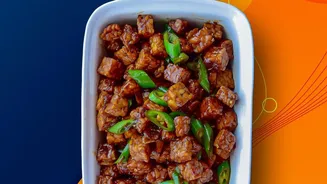
For vegetarians, dairy is a protein powerhouse. Paneer, or Indian cottage cheese, is a prime example, delivering a substantial 18-21g of protein per 100g serving. It's incredibly versatile, working well in curries, as a filling for parathas, or grilled as paneer tikka for a high-protein snack. Its plant-based counterpart, tofu, is a great option for vegans or those watching calories, providing about 8-10g of protein per 100g. Don't overlook the humble curd (dahi). A bowl of curd, especially hung curd or Greek yoghurt, can provide 9-11g of protein and is fantastic when mixed with nuts and seeds for a quick breakfast or snack.
Grains and Flours with a Protein Punch
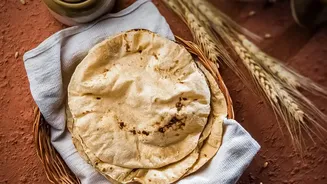
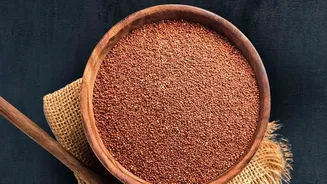
While often seen as carbohydrate sources, many Indian grains and flours contribute significantly to protein intake. Besan (gram flour), made from chana dal, is a standout with approximately 22g of protein per 100g. A couple of besan chillas for breakfast can easily provide 12-15g of protein to start your day strong. Sattu, a roasted gram flour popular in Bihar, is another excellent source, perfect for making a cooling drink or stuffing into parathas. Even whole wheat atta, the base for everyday rotis, adds about 12g of protein per 100g. Millets like bajra and ancient grains like quinoa are also valuable additions.
Nuts and Seeds as Mighty Snacks
A handful of nuts and seeds can be a simple yet effective way to boost your protein intake between meals. Peanuts, technically a legume but used like a nut, lead the pack with about 25g of protein per 100g. A peanut chaat or a simple peanut chikki can be a delicious protein-rich snack. Almonds, a nutritional powerhouse, offer around 21g of protein per 100g. Pumpkin seeds are a surprising champion, containing more protein per gram than even chicken, at around 30g per 100g. Sprinkle a mix of pumpkin, sunflower, and flaxseeds on your curd, salads, or smoothies for an easy nutritional upgrade.