
The Unsung Hero of Street Food
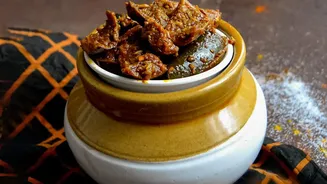
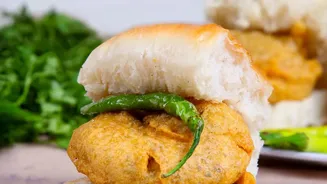
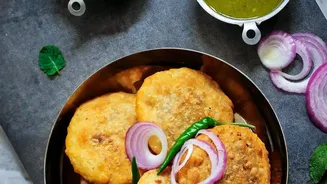
While the golden-fried batata vada and the soft, pillowy pav get most of the attention, the dry garlic chutney, or 'lasun chutney', is arguably the element that elevates a good vada pav to a great one. It’s a condiment that provides a sharp, pungent,
and spicy counterpoint to the mildness of the potato and bread. This dry, coarse powder isn't just a flavour enhancer; it adds a crucial textural dimension. Slathered inside the pav, it ensures every bite is packed with a complex burst of heat and nuttiness that lingers long after you’re done. Without it, the vada pav would still be a satisfying snack, but it would lose its iconic, fiery soul.
Deconstructing the Flavour Bomb
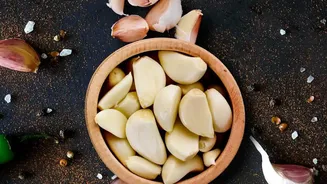
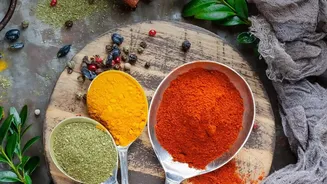
At its heart, dry garlic chutney is a masterful blend of a few powerful ingredients. The primary component, of course, is garlic. The cloves are often roasted to mellow their raw pungency and bring out a sweeter, nuttier flavour. This is combined with dry coconut (kopra), which provides a subtle sweetness and the chutney's characteristic body. Another key ingredient is peanuts, which are roasted to add a crunchy texture and rich, earthy notes. Finally, a generous amount of red chilli powder, often Kashmiri for its vibrant colour and moderate heat, is added to give the chutney its signature fiery kick and reddish hue. Together, these elements create a balanced, multi-layered condiment that is salty, spicy, and deeply savoury.
The Art of Roasting and Grinding
The preparation of authentic lasun chutney is a testament to the idea that simple techniques can yield complex results. The magic lies in the roasting process. Each main ingredient—garlic, coconut, and peanuts—is typically roasted separately over a low flame. This crucial step removes moisture, intensifies the flavours, and contributes to the chutney's long shelf life. Once roasted and completely cooled, the ingredients are transferred to a grinder. The grinding itself is an art. It’s done in short bursts or pulses to prevent the peanuts and coconut from releasing their oils, which would turn the dry powder into a paste. The goal is to achieve a coarse, crumbly texture that sprinkles easily but still has a satisfying, slightly gritty mouthfeel.
Street Secrets and Home Variations
While the core recipe is consistent, there are countless variations of dry garlic chutney across Maharashtra. Some vendors have their own secret spice additions, like cumin or sesame seeds, to add another layer of flavour. A clever trick used by some street vendors is to add fried 'boondi' or the crispy batter drippings ('chura') left over from frying the vadas into the chutney mix. This not only adds extra crunch but also ingeniously avoids waste. Regional differences also exist; for example, some versions might omit peanuts entirely, focusing solely on the potent combination of garlic and coconut. This adaptability is part of what makes the chutney so special, with each family and vendor having their own unique, and often closely guarded, recipe.
More Than Just a Vada Pav Condiment
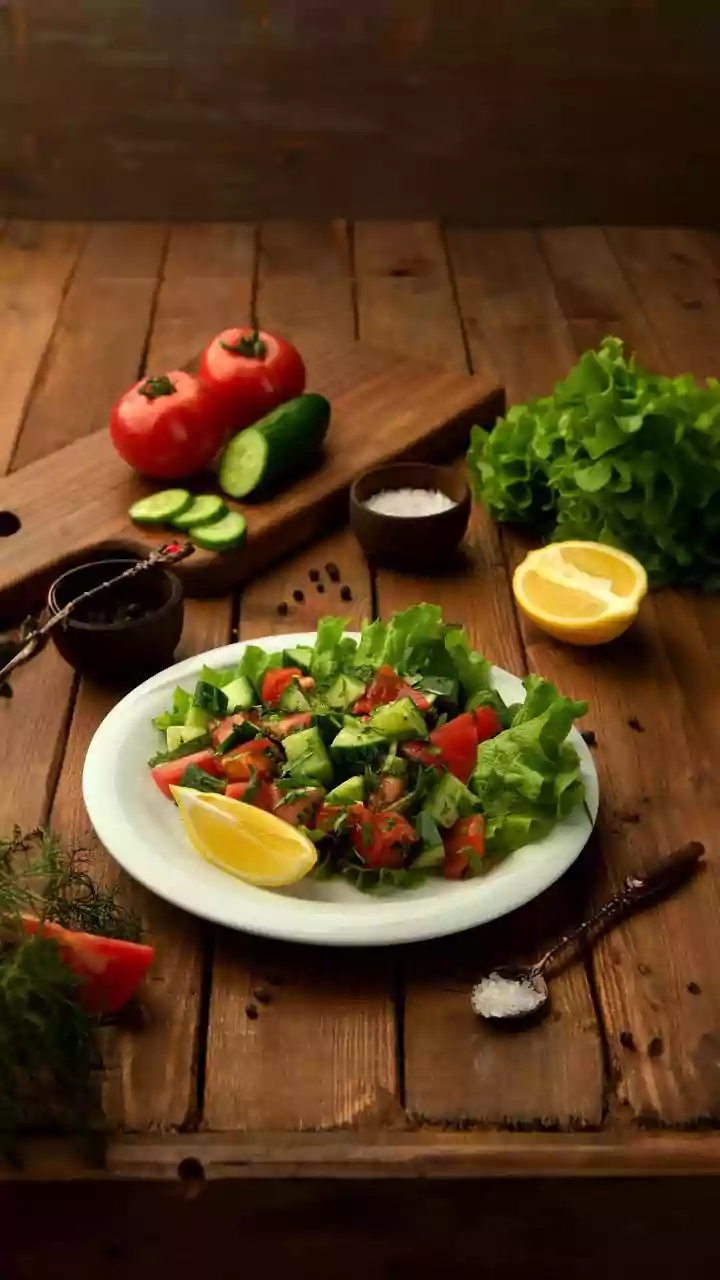
Though inextricably linked with vada pav, the utility of dry garlic chutney extends far beyond this single snack. Its robust flavour makes it an incredibly versatile pantry staple in Maharashtrian households. It can be sprinkled over hot rice with a dollop of ghee, mixed into yogurt to create a zesty dip, or served as an accompaniment to bhakri (millet flatbread) or simple dal-rice. Some even use it to spice up sandwiches, parathas, or sprinkle it over a simple tomato-onion salad for an instant flavour boost. Its long shelf life, lasting for weeks in an airtight container, makes it a convenient and powerful flavour enhancer for a wide array of dishes, ready to deliver a punch of garlicky heat at a moment's notice.