






The Rise of the Multiplex Era
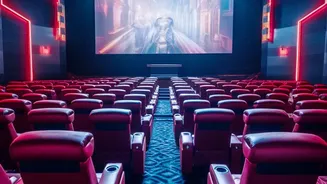
The late 1990s and early 2000s heralded a revolution for Indian cinema-goers. The arrival of the multiplex, often nestled within sprawling new shopping malls, transformed the movie-watching experience. Replacing the often-dilapidated single-screen theatres,
these swanky, multi-screen venues offered comfortable seating, air conditioning, and a sanitized, family-friendly environment. This shift wasn't just about comfort; it was economic and cultural. Granting industry status to cinema and providing tax incentives for multiplex construction fueled a boom. This new infrastructure allowed for greater programming flexibility. Niche, urban-centric films that might have struggled in a 1000-seater hall could now find an audience in a smaller, 150-seat audi, leading to a diversification of content. The multiplex became a symbol of a liberalizing India, a new public space for a burgeoning middle class.
The Digital Tsunami: Data and Devices
The next great disruption didn't come from a new type of building, but from the airwaves. The launch of affordable, high-speed mobile data, particularly after 2016, was the single most important catalyst for the digital shift. Suddenly, streaming video wasn't a buffering nightmare but a seamless reality for hundreds of millions of Indians. This coincided with the mass adoption of affordable smartphones, putting a potential cinema screen in every pocket. Global streaming giants like Netflix and Amazon Prime Video, alongside homegrown players, entered the market aggressively, offering vast content libraries for a monthly fee that was a fraction of a single family trip to the multiplex. This combination of cheap data and accessible devices laid the groundwork for a monumental shift in viewing habits.
The Pandemic: A Point of No Return
If affordable data opened the door for Over-the-Top (OTT) platforms, the COVID-19 pandemic blew it off its hinges. With cinema halls shut indefinitely during lockdowns, audiences, confined to their homes, turned to streaming platforms for entertainment en masse. The impact was immediate and profound. For the first time, major films starring top-tier actors skipped theatrical releases altogether, premiering directly on platforms like Disney+ Hotstar and Amazon Prime Video. What was once a supplementary revenue stream became, for a time, the only stream. This period didn't just boost subscriptions; it rewired audience expectations. Viewers became accustomed to the convenience, choice, and safety of watching new releases from their couch.
New Stories, New Stars, New Screens
The OTT boom has fundamentally altered the kind of stories being told. Freed from the constraints of a two-and-a-half-hour runtime and the need to appeal to the broadest possible theatrical audience, creators are experimenting with long-form series, complex narratives, and genre-blending content. This has given rise to a new wave of storytelling that tackles more mature themes and niche subjects. Alongside this, a new ecosystem of 'streaming stars' has emerged, gaining pan-Indian fame without the traditional box-office pathway. Now, the journey is diversifying even further with the rise of 'micro-dramas'—short, vertical episodes designed for mobile scrolling, turning two-minute attention spans into a new entertainment frontier.
The Hybrid Future: Coexistence and Competition
As of 2026, the dust is settling, revealing a complex new landscape. Theatres are back, and audiences have shown they will turn up for big-screen spectacles. However, they are more selective now. The industry is recalibrating, largely reverting to a theatre-first model, but the window before a film lands on OTT has become a crucial, and contentious, point of negotiation, with exhibitors pushing for a longer, eight-week gap to protect their business. Direct-to-digital premieres for big films have become rare, with box office performance now seen as a key driver for a film's eventual streaming success. The consensus is that a family outing to the cinema for a major event film is a different experience from binging a new series at home. One is not a replacement for the other; they are now two distinct pillars of the Indian entertainment industry.