




Understanding the Rain Shadow
Imagine the monsoon as a giant, moisture-filled sponge moving across India. As these clouds, driven by prevailing winds, encounter a mountain range, they are forced to rise. This process is called orographic lift. As the air climbs higher, it cools and
expands, losing its ability to hold moisture. This causes the clouds to release their water as heavy rain on the side of the mountains facing the wind—the windward side. Once the air crosses over the mountain peaks, it has already dumped most of its rain. As this now-dry air descends on the other side, known as the leeward side, it warms up and actually absorbs moisture from the ground. This creates a dry area, or a 'shadow' where rain doesn't fall. That, in essence, is a rain shadow.
The Himalayas: A Massive Rain Barrier
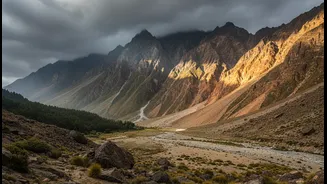
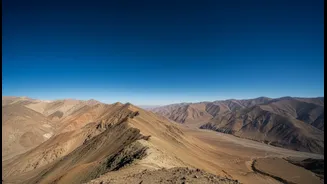
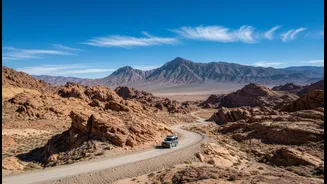
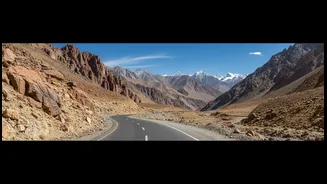
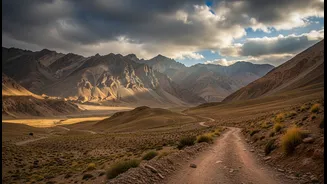
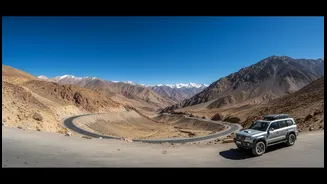
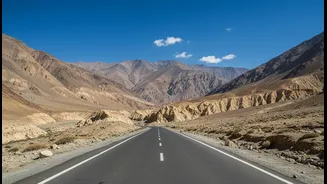
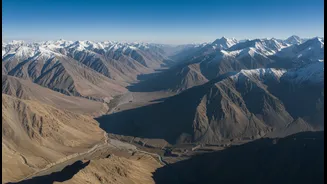
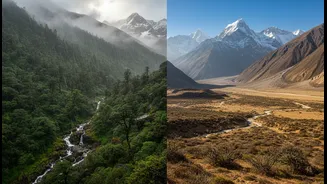
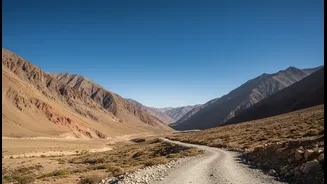
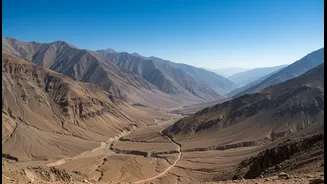
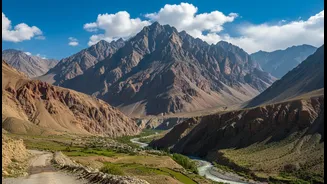
The Himalayan range is the most formidable mountain barrier on Earth. During the monsoon, moisture-laden winds sweep north from the Indian Ocean. They first hit the southern, windward slopes of the Himalayas, including states like Himachal Pradesh and Uttarakhand. Forced to ascend these colossal peaks, the clouds unleash torrential downpours, which is why these regions are so lush and green. However, the main Himalayan range is so high that it effectively blocks these monsoon clouds from travelling further north. Regions like Ladakh and the Spiti Valley are located on the leeward side of these great mountains. By the time the air reaches them, it is stripped of its moisture, resulting in a cold, high-altitude desert climate with minimal rainfall, even during peak monsoon.
A Tale of Two Monsoons
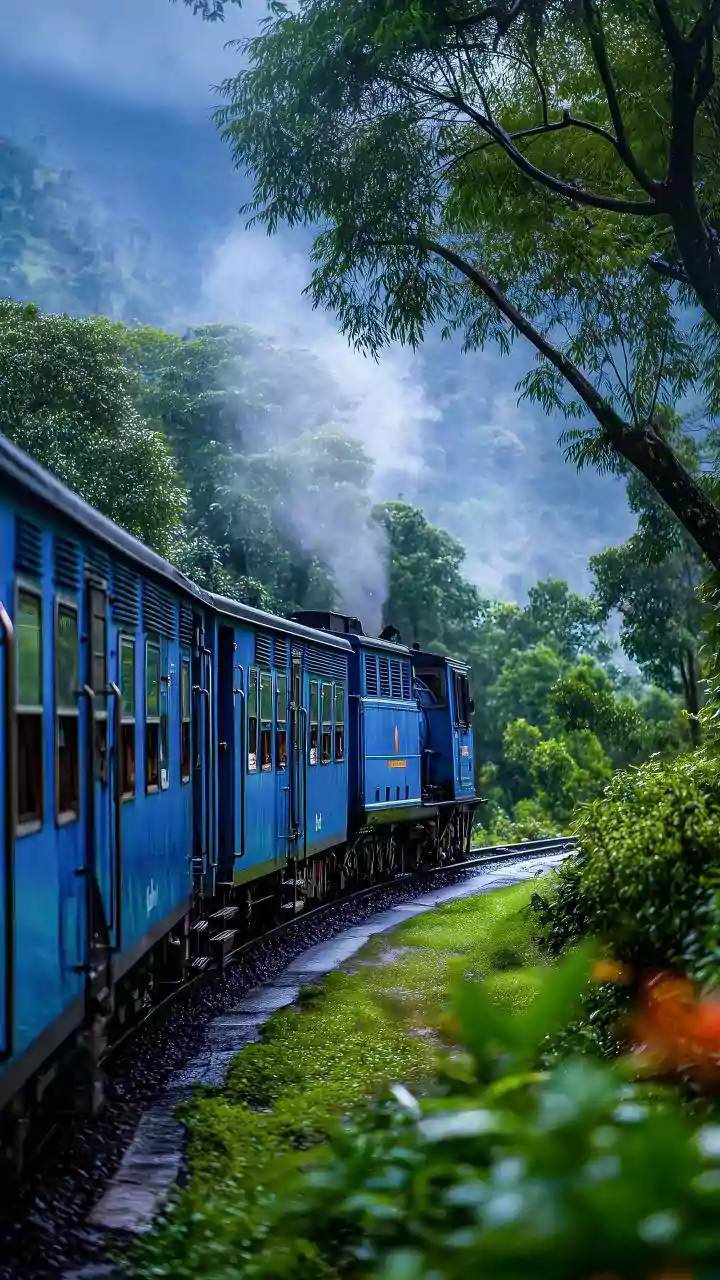
The contrast between the two sides of the Himalayas during monsoon is stark. While destinations like Shimla, Manali, Mussoorie, and Darjeeling experience intense rainfall, which saturates the soil and makes the slopes unstable, leading to frequent and dangerous landslides, Spiti and Ladakh remain largely dry. The very weather system that makes travel treacherous in the lower Himalayas is what makes the trans-Himalayan regions safe. News reports during July and August are often filled with incidents of road blockades, flash floods, and landslides in popular hill stations. Meanwhile, in Kaza or Leh, tourists are likely to be enjoying clear, sunny skies. The risk of landslides in Ladakh and Spiti isn't zero, but it is dramatically lower and not typically caused by the widespread, saturating rains that plague the windward side.
What This Means for Travellers
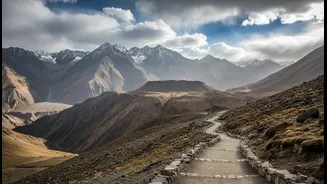
For those seeking a mountain adventure between July and September, understanding the rain-shadow effect is crucial. It explains why Ladakh and Spiti are considered prime monsoon travel destinations. While other hill stations are best avoided, these cold deserts offer a unique and accessible alternative. Travellers can explore ancient monasteries, high-altitude lakes like Chandratal, and dramatic landscapes without the constant threat of being stranded by a landslide. However, it's important to remember that the journey can still be challenging. The roads leading to Spiti and Ladakh, particularly from the Manali side, pass through monsoon-affected areas and can face closures. The route to Spiti via Shimla and Kinnaur is generally considered more stable, though still requires caution. The key is that once you are inside the rain-shadow zone itself, the weather is far more stable and the risk of rain-induced hazards plummets.