




Planning an international trip has always involved paperwork, but a new survey reveals that complicated entry rules are now a major factor in whether people travel at all, pushing passengers to demand simpler, more digital solutions.
A Growing Barrier to Travel
International travel
is becoming a tougher decision for many, and it's not just about ticket prices. According to the 2026 Global Passenger Survey from the International Air Transport Association (IATA), complex immigration requirements are increasingly causing travellers to abandon their plans. The survey found that 43% of passengers have been discouraged from visiting a destination specifically because of its entry rules. This is a significant jump from 2025, when only 33% of travellers felt the same way. The primary reason for this growing frustration is not cost or privacy concerns, but sheer complexity. A majority of those deterred by the process—53%—said the procedures were simply too complicated to navigate.
The Paradox of Technology
Ironically, this frustration with administrative hurdles comes at a time when travellers are embracing technology in other aspects of their journey. The same IATA survey highlights a surge in the adoption of biometrics and digital passports. Nearly six in ten passengers (58%) have used biometrics at an airport in the last year, a notable increase from 50% in 2025. Furthermore, satisfaction with this technology is incredibly high, with 87% of users reporting a positive experience. Passengers are clearly showing they want a more seamless, tech-driven journey. Around 78% are willing to share their biometric information if it means they can avoid repeatedly showing their passport and boarding pass at various checkpoints.
What Do Travellers Really Want?
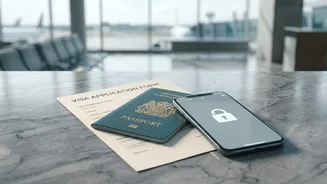
The message from passengers is clear: they want to handle the paperwork long before they get to the airport. The survey shows a strong preference for digital and early processing of travel documents. An overwhelming 86% of travellers are willing to share their immigration information digitally before departure to speed up the process. Similarly, 60% would prefer to apply for a visa online, compared to just 25% who favour an in person visit to a consulate or embassy. The desire to frontload these tasks is growing, with 45% of passengers now saying they'd prefer to complete all immigration procedures before even leaving for the airport, up from 41% in 2025. This signals a clear demand for governments to modernise their systems and embrace evisas and digital credentials.
The Push for Digital Passports and Simplicity
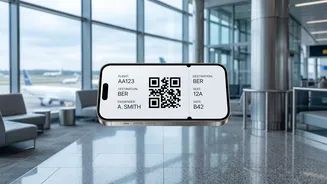
In response to these findings, industry bodies like IATA are urging governments to simplify entry procedures and adopt common standards for digital travel credentials. The technology for secure digital passports already exists, but widespread adoption depends on governments issuing and accepting them. Passengers are certainly ready for the change. A remarkable 84% are interested in using a digital passport for online checkin instead of a physical document. More than 100 countries currently issue evisas, but a lack of consistency in how they are verified creates bottlenecks for airlines and confusion for travellers. The ultimate goal is a system where a passenger can register their identity once and move seamlessly through the airport, from checkin to boarding, using biometrics.
Tips for Indian Travellers Navigating the Maze
For Indian travellers planning trips abroad, this complex environment requires extra diligence. Always check the official government or embassy website of your destination country for the most current visa and entry requirements, as rules can change with little notice. Use airline and embassy checklists to ensure you have all necessary documents, from visa approvals to health declarations. Consider using digital tools offered by airlines, such as mobile checkin and document verification services, to streamline your airport experience. While the industry pushes for broader systemic changes, staying meticulously informed and preparing well in advance remains the best strategy for a smooth journey.