



The Soul in a Bowl
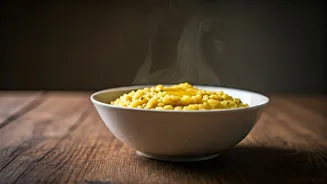
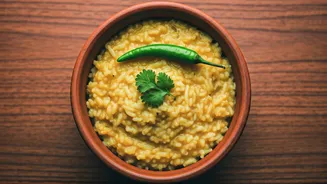
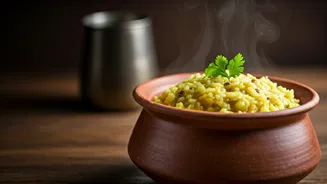
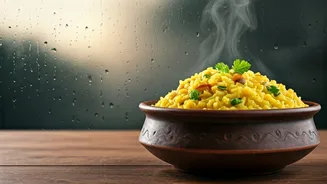
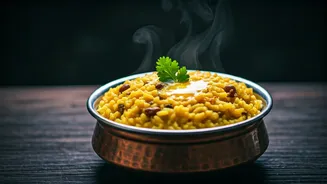
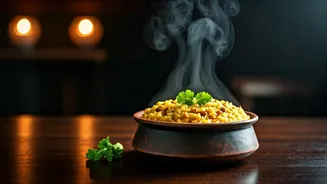
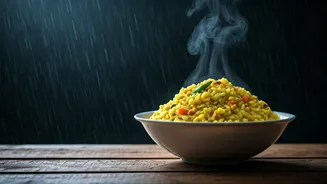
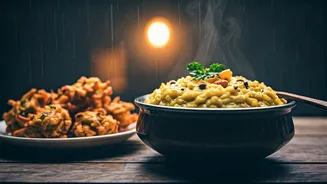
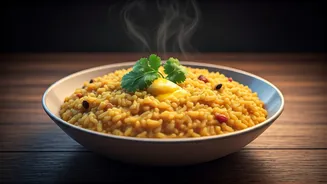
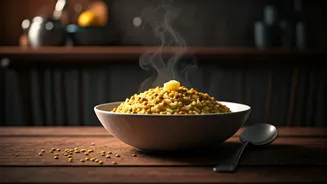
Call it Khichdi, Khichri, or Pongal. Regardless of the name, this humble mixture of rice and lentils is more than just sustenance; it’s a feeling. It’s the taste of home, a warm hug in a bowl that promises simplicity and restoration. While culinary fashions
come and go, Khichdi’s place in our hearts—and on our tables—is permanent. It is the first solid food for a baby, the recovery meal for the unwell, and the quick, no-fuss dinner for the exhausted professional. Its enduring appeal lies in this very simplicity, a culinary blank canvas that can be as plain or as extravagant as the occasion demands.
A Dish Steeped in History
Khichdi’s timelessness is not a recent phenomenon. Its history is as old as the subcontinent itself. The Greek ambassador Seleucus Nicator, who visited India around 300 BC, documented a popular dish of rice and pulses, which historians widely believe was an early form of Khichdi. The Moroccan traveller Ibn Battuta mentioned it in the 14th century, and it was a documented favourite in the Mughal court, particularly of emperors like Jahangir and Aurangzeb. In fact, the British in India adopted it, creating their own version called 'kedgeree' with fish and boiled eggs. This long, unbroken lineage proves that Khichdi isn't just a meal; it's a historical artefact we can still eat, connecting us to generations of Indians who sought the same simple comfort.
The Great Indian Transformer
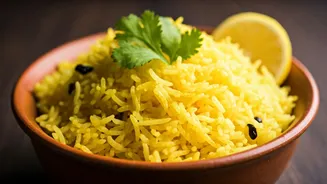
Perhaps the true genius of Khichdi is its incredible versatility. It adapts to geography, occasion, and personal taste with effortless grace. In Gujarat, it's often served as a comforting, mildly spiced staple with a side of kadhi. Head to Bengal, and you’ll find the celebratory 'Bhog'er Khichuri', a rich and aromatic version cooked with roasted moong dal, vegetables, and fragrant spices, offered during Durga Puja. In the South, 'Pongal' serves a similar purpose, often prepared sweet (Chakkara Pongal) or savoury (Ven Pongal) with cashews and black pepper. In Karnataka, 'Bisi Bele Bath' is a grander, spicier avatar with tamarind, vegetables, and a special spice blend. From the simplest 'geeli' khichdi for an upset stomach to these elaborate festive preparations, the dish transforms to fit every need, proving it can be both everyday and extraordinary.
More Than Just Nostalgia
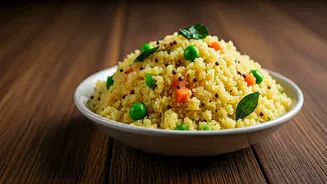
While nostalgia is a powerful ingredient, Khichdi's staying power is also rooted in solid nutritional science. The combination of a cereal (rice) and a legume (lentils) creates a complete protein profile, providing all the essential amino acids our bodies need. It’s naturally gluten-free and incredibly easy to digest, which is why it’s the go-to meal during illness and recovery. A basic Khichdi is a perfect low-fat, high-fibre meal. But it’s also a vehicle for nutrition. Adding vegetables like peas, carrots, and cauliflower boosts its vitamin and mineral content, while a dollop of pure ghee on top adds healthy fats and a dose of deliciousness that satisfies the soul. It’s the original one-pot meal, a balanced and wholesome dish that requires minimal effort for maximum comfort and health benefits.