








The Age-Old Dilemma for Growers
For generations, the rhythm of the Kashmiri apple harvest has been predictable and perilous. The region, which produces over 70% of India's apples, sees a massive influx of produce into the market between September and November. This annual glut has historically
forced farmers into a corner, compelling them to sell their harvest at low, often unprofitable, prices to avoid spoilage. Without adequate storage, a perishable fruit becomes a depreciating asset. Delays in transport due to landslides or highway closures on the crucial Srinagar-Jammu highway could mean disaster, with reports of entire truckloads of apples rotting before they reach markets. This dynamic left farmers with little bargaining power, often at the mercy of middlemen and volatile market conditions.
A Cool and Controlled Solution
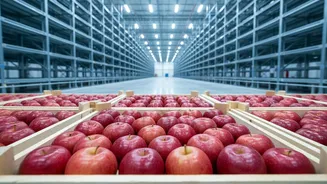
The game-changer has been the widespread adoption of Controlled Atmosphere (CA) storage facilities. Unlike standard cold storage that only lowers the temperature, CA technology fundamentally alters the air inside sealed chambers. Oxygen levels are drastically reduced from about 21% to as low as 1-2%, while carbon dioxide, temperature, and humidity are precisely managed. This scientifically calibrated environment effectively puts the apples into hibernation, slowing their respiration and ripening processes to a crawl. The technology can extend the shelf life of an apple from a few months in regular cold storage to as long as ten months, preserving its crunch, flavour, and freshness.
From Distress Sales to Strategic Selling
This technological leap has shifted the power dynamic for thousands of growers. Instead of being forced to sell during the harvest season when prices are at their lowest, farmers can now store their produce and wait for more favourable market conditions. This has provided a crucial buffer against distress sales and price crashes. Farmers report significant financial gains; in some cases, fetching double the price for a box of apples sold from a cold store during the off-season compared to the peak harvest period. This ability to hold stock allows for a staggered release of apples into the market, ensuring price stability for both producers and consumers throughout the year.
The Ripple Effect on the Valley's Economy
The benefits extend far beyond individual orchards. The growing network of CA stores, particularly in hubs like Pulwama and Shopian, has become a lifeline for the region's entire horticulture economy. These facilities create rural employment, not just in their operation but also in ancillary services like sorting, packaging, and transportation. By reducing post-harvest losses, which can be as high as 20-30% for fruits and vegetables in India, the cold chain infrastructure makes the entire value chain more efficient and resilient. This increased stability allows farmers to reinvest their earnings into better farming techniques, high-density plantations, and quality inputs, further boosting the sector's productivity and long-term health.
Remaining Hurdles on the Horizon
Despite the clear advantages, challenges remain. The high cost of storage can be prohibitive for small and marginal farmers, who may still have to sell their produce to larger traders who can afford the storage fees. Furthermore, the system's effectiveness is dependent on a reliable electricity supply, which can be an issue in some areas. As more growers have adopted the strategy of storing their apples, the CA facilities themselves have come under pressure, sometimes leading to long waits for unloading during the peak season. Ensuring equitable access and continued investment in infrastructure, especially in more remote growing areas, will be key to making this revolution inclusive for all of Kashmir's apple farmers.