





The Underrated Power of a Simple Walk
Walking is a low-impact exercise packed with benefits. Regular walking strengthens your heart, helps manage blood pressure and cholesterol, and improves bone density. It's also a proven way to reduce stress, improve your mood, and get better sleep. Because
it is gentle on the joints, it's an excellent choice for people of all fitness levels, including those who find jogging too strenuous. It strengthens the leg and glute muscles and can improve your balance and coordination over time. The goal for general health benefits is often cited as at least 30 minutes of brisk walking on most days of the week.
No Treadmill? No Problem
You don't need expensive equipment to have an effective walking workout at home. Walking or marching in place is a fantastic alternative. While it burns slightly fewer calories than walking on a treadmill at a moderate pace—one study found it burns about 258 calories per hour compared to 304—it is still a highly effective form of exercise. The key is to maintain a brisk pace that raises your heart rate. You can easily incorporate this into your day by marching in place while watching television, listening to a podcast, or during phone calls. Even short bursts of activity, like walking around your living room or using the stairs during TV commercial breaks, can add up significantly.
How to Boost Your Indoor Walk
To prevent monotony and increase the intensity of your at-home walk, variety is key. Instead of simply marching on the spot, try incorporating different movements. Lifting your knees high, kicking your heels back towards your glutes (butt kicks), and performing side steps can engage different muscles. Swinging your arms actively not only helps with rhythm but also increases calorie burn. For an added challenge, you can incorporate light hand weights to work your upper body simultaneously. Following along with guided indoor walking videos online is another excellent way to stay motivated and get a structured workout. Many free videos offer routines of varying lengths and intensities, often set to music with a specific beat to help you keep pace.
Making the Most of a Treadmill
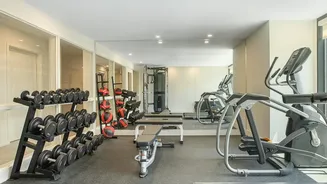
If you have a treadmill, you have a powerful tool for a controlled and effective workout. One of the biggest advantages is the ability to precisely track your progress, including speed, distance, and incline. To make your treadmill walk more challenging, avoid staying at the same speed and incline for the entire session. Use interval training by alternating between a moderate pace and short bursts of faster walking. You can also increase the incline to simulate walking uphill, which is excellent for targeting your glutes and hamstrings. This variation not only fights boredom but also boosts the cardiovascular benefits and calorie burn of your workout.
Creating a Sustainable Walking Habit
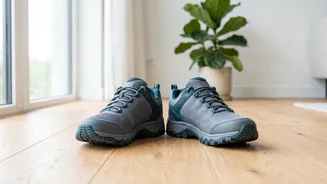
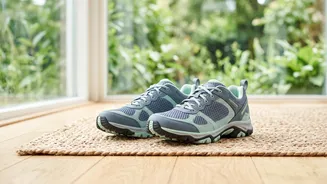
The best workout is one you can stick with. The accessibility of at_home walking makes it easier to build a consistent routine. Start with a manageable goal, such as 10–15 minutes a day, and gradually increase the duration as you feel stronger. Setting a daily step goal and using a fitness tracker or smartphone app can provide motivation and a clear measure of your progress. Remember to wear supportive shoes to ensure comfort and stability. Most importantly, listen to your body. Consistency is more important than intensity, especially when you are starting out. Every step you take at home is an investment in your long–term health and well–being.