





The Legacy of Halley's Comet
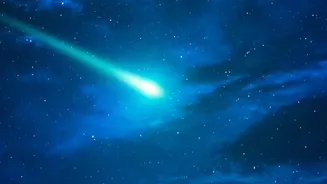
The Orionid meteor shower is one of two annual showers created by the debris left behind by the famous Comet 1P/Halley. As our planet orbits the sun, it crosses through this stream of dust and ice particles every October. When these tiny fragments, often
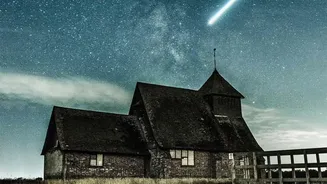
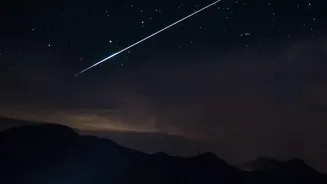
no bigger than a grain of sand, hit Earth's atmosphere at incredible speeds—around 66 kilometres per second—they burn up, creating the bright, fast streaks of light we call meteors or 'shooting stars'. These meteors are known for their speed and brightness, and they sometimes leave persistent trails that can linger for a few seconds. The shower gets its name from the constellation Orion the Hunter, as the meteors appear to radiate from a point near it.
When and How to Watch in 2026
The Orionids will be active from early October through early November, but the best time to watch will be during the peak on the night of October 21-22, 2026. Unfortunately, viewing conditions will be somewhat challenging this year. A bright Waxing Gibbous Moon will illuminate the sky for much of the night, washing out fainter meteors. However, there is a prime viewing window. The Moon is expected to set around 3 a.m. local time, leaving the sky dark until dawn. This pre-dawn period will be your best opportunity. Find a comfortable spot, lie back, and give your eyes at least 20-30 minutes to fully adjust to the darkness. No special equipment is needed; the show is best enjoyed with the naked eye.
Essential Viewing Tips
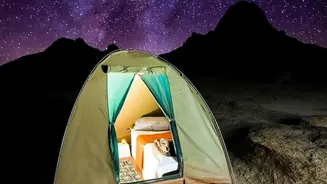
Success in meteor-watching comes down to three things: a dark sky, patience, and comfort. City and suburban light pollution is the biggest obstacle, so getting as far away from urban centres as possible is critical. While the meteors radiate from Orion, they can appear anywhere in the sky, so you don’t need to stare at one single spot. A wide, open view of the sky is best. Dress in warm layers, as even pleasant days can turn into chilly nights, especially in high-altitude or desert locations. Bring a reclining chair or a blanket to lie on, along with some warm drinks and snacks. The key is to settle in and be patient; the best displays often come in bursts, with lulls in between.
India's Premier Dark Sky Destinations
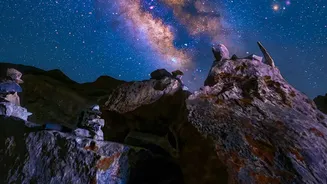
For the most awe-inspiring views, a trip to one of India's recognised dark sky locations is well worth the effort. Hanle in Ladakh is the gold standard, holding the title of India's first official Dark Sky Reserve. Its high altitude, dry air, and near-zero light pollution offer unparalleled clarity. Another Himalayan gem is Spiti Valley in Himachal Pradesh, with remote villages like Kibber and Komic providing pristine night skies. For those in western India, the vast, flat expanse of the Rann of Kutch in Gujarat and the Thar Desert near Jaisalmer, Rajasthan, offer magnificent, unobstructed horizons perfect for stargazing.
Finding Darkness Closer to Home
If a trip to a remote reserve isn't feasible, you can still find good viewing spots closer to major cities. The goal is to drive away from the city's light dome. For residents of Delhi, the Aravalli hills or dedicated sites like Astroport near Sariska Tiger Reserve offer darker skies. People near Mumbai can head towards the Western Ghats, with hill stations like Matheran providing some respite from city lights. For those in and around Bengaluru, the hills of Coorg and its surrounding coffee plantations can be a great option, provided you find a spot away from town centres and resorts. Check local astronomy clubs or forums for recommended spots on the outskirts of your city.