




From Quirky Toy to Practical Tool
For the last couple of years, AI image generators have been the talk of the tech world. With a simple text prompt, you could create a picture of anything imaginable. The results were often stunning, sometimes strange, but always a great party trick. However,
for small businesses, marketers, and everyday creators in India, these tools had significant limitations. The images were static, meaning you couldn't easily change a small detail without starting over. They often had weird visual artifacts, like people with six fingers. And a huge question loomed over their use: was it legal for commercial purposes?
The Magic of Integrated Editing
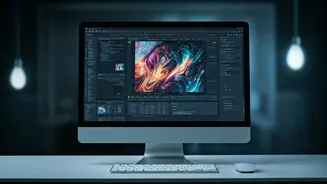
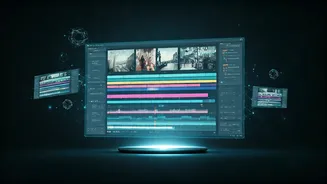
Canva's core advantage has always been its user-friendly design interface. Instead of launching AI as a separate, standalone feature, it has integrated a suite of AI tools, collectively known as Magic Studio, directly into its editor. This is where the usability factor skyrockets. Features like Magic Edit allow you to select a part of an AI-generated image and change it with a text prompt, while Magic Eraser can remove unwanted objects with a simple brush stroke. If the AI generates text with a misspelling, the Grab Text tool can make that text editable. This seamless integration means AI-generated images are no longer a final product, but a starting point that can be tweaked and perfected within the same workflow you use to create a social media post or presentation.
Unlocking the Un-Editable Image
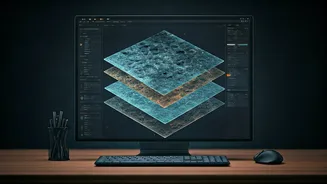
A significant recent advancement is a tool called Magic Layers. This feature tackles one of the biggest frustrations with AI images: they are 'flat' files like a JPG or PNG. Magic Layers analyzes a flat image—even one generated by another AI tool like Midjourney or DALL-E—and breaks it apart into individually editable layers. Suddenly, you can move elements around, edit text that was part of the image, or swap out the background without having to rebuild the entire design from scratch. For creators and businesses who have lost original design files or need to adapt AI imagery, this is a game-changer, solving what was previously a frustrating dead end.
Solving the Copyright Headache
Perhaps the most important step Canva has taken to make AI images usable for professional work is addressing legal and copyright concerns. Businesses have been understandably wary of using AI-generated content due to the risk of intellectual property claims. To solve this, Canva introduced Canva Shield, a collection of safety and privacy controls. Crucially, for its enterprise customers, Canva Shield includes indemnification. This means Canva will back its eligible business users in the rare event they face a legal claim over the AI content they create on the platform. This level of protection shifts AI imagery from a legal grey area to a commercially viable asset for companies.
What This Means for Indian Creators
For the millions of small business owners, digital marketers, freelancers, and students in India who rely on Canva, these developments are hugely significant. The platform's goal is to make design accessible to those without professional training, and its approach to AI follows the same principle. Now, a local boutique owner can create unique, high-quality promotional images for Diwali without hiring a photographer. A student can generate custom illustrations for a presentation in seconds. A startup can create a whole suite of branded marketing materials quickly and consistently. By solving the core problems of editability, control, and legal safety, Canva is successfully transforming AI image generation from an interesting experiment into an indispensable part of the modern creative toolkit.