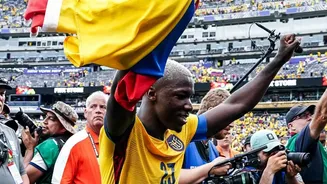









The First Whistle Blows at Arrivals
Long before the first official match kicks off, the tournament truly begins in the arrivals hall. Forget the quiet shuffle of travellers pulling suitcases. Instead, picture this: a sea of colour washes over the sterile grey floors. There are waves of canary
yellow from Brazil, rivers of sky blue and white from Argentina, and patches of vibrant orange from the Netherlands. These are not just passengers; they are armies of fans, arriving with flags as capes and face paint already applied. The first point of contact with the host nation isn't a landmark or a stadium, but Terminal 3. It's here that rivalries are playfully established, not with tackles, but with competing chants that echo off the high ceilings, turning the baggage claim into the first unofficial stand.
A Carefully Orchestrated Welcome
This festive atmosphere is no accident. Host cities and airport authorities now plan for the “fan invasion” with military precision. Learning from decades of World Cups, airports have become the first and most critical touchpoint for fan experience. For the 2022 World Cup in Qatar, Hamad International Airport became a microcosm of the event itself. Huge digital displays welcomed fans in dozens of languages, official tournament branding was everywhere, and dedicated “Fan Zones” were set up within the terminals. These zones featured interactive games, photo booths with the official mascot, and comfortable seating to watch highlights, effectively turning waiting time into an extension of the festival. Staff are trained not just in crowd control, but in becoming ambassadors of excitement, often wearing branded gear themselves.
The Commercial Blitz
Where there are fans, there is big business. Airports and the brands within them leverage this captive audience like never before. Duty-free shops run special promotions on team merchandise and official sponsors’ products. Restaurants and bars rebrand themselves, offering themed menus and broadcasting classic matches. It’s a commercial blitz disguised as a party. For brands like Coca-Cola, Adidas, or Visa, the airport is prime real estate. They set up elaborate pop-up experiences, offering fans a chance to win tickets, meet football legends, or take part in virtual reality challenges. The goal is to associate their brand with the peak excitement a fan feels upon arrival, creating a powerful emotional connection before they’ve even left the airport.
The Universal Language of Chanting
The most defining feature of this airport transformation is the sound. The usual drone of terminal announcements is drowned out by a multilingual symphony of football anthems. A group of Mexican fans might start a booming chant of “¡Sí, se puede!”, only to be answered by a chorus of “Allez Les Bleus” from a group of French supporters walking by. For a few weeks, the airport becomes a space where language barriers dissolve, replaced by the shared vocabulary of the beautiful game. Strangers from across the globe, who might otherwise walk past each other in silence, are suddenly united, posing for photos, swapping scarves, and sharing predictions about their team's chances. It’s a powerful, spontaneous display of global community, all unfolding under the watchful eye of the departure boards.
Managing the Organized Chaos
Behind the scenes, making this festival possible is a massive logistical and security challenge. Airport operators work for years with tournament organisers and security agencies to manage the massive influx. This involves dramatically increasing staffing, creating dedicated immigration lanes for fans, and implementing sophisticated crowd-flow management systems to prevent bottlenecks. Security remains the highest priority, but it’s done with a focus on being welcoming rather than intimidating. The goal is to channel the enormous energy of the fans constructively, ensuring the airport remains safe and operational for everyone, not just the football followers. It's a delicate ballet of maintaining order while allowing for celebration.