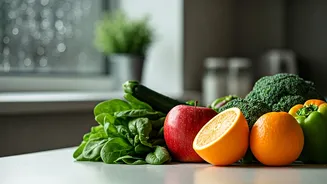









Why Monsoons Are Tough on Your Tummy
As the temperature drops and humidity soars, our bodies react in subtle ways. The damp, cool environment can slow down our metabolism. In Ayurvedic tradition, this is described as a weakening of the 'Agni' or digestive fire. A weaker Agni means our ability
to digest food properly is compromised, leading to issues like bloating, gas, and indigestion. Furthermore, the high moisture content in the air creates a breeding ground for bacteria and fungi. This increases the risk of contamination in raw foods and water, making us more susceptible to stomach infections, diarrhoea, and other water-borne ailments. Your immune system is already working overtime to fight off common colds and viral fevers, and an unhappy gut can weaken its response even further. This is why you might crave hot, fried snacks like pakoras, but they are often the hardest for your system to handle during this season.
Foods to Embrace for a Happy Gut
The key during monsoon is to opt for foods that are light, warm, and easy to digest. Think of it as giving your digestive system a helping hand. Start by incorporating plenty of well-cooked vegetables. Steaming, stewing, and making soups are excellent cooking methods. Gourds like lauki (bottle gourd), tori (ridge gourd), and parwal (pointed gourd) are fantastic choices as they are high in fibre and easy on the stomach. Instead of heavy curries, opt for lighter preparations. A simple, home-cooked dal and rice, or a nourishing bowl of khichdi, is the ultimate comfort food for a reason—it’s balanced and incredibly gentle on your gut. Fermented foods in moderation, like homemade curd or buttermilk (chaas), can also be beneficial as they introduce healthy probiotics that support your gut microbiome. Just ensure they are fresh and prepared hygienically.
The Power of Spices and Herbs
Your kitchen masala box is a treasure trove of digestive aids, especially during the monsoon. These spices not only add flavour but also possess powerful medicinal properties. - **Ginger (Adrak):** Known for its anti-inflammatory and digestive properties, adding fresh ginger to your tea, dals, and vegetable dishes can help soothe the stomach and prevent indigestion. - **Turmeric (Haldi):** A potent antiseptic and immunity booster. A pinch of turmeric in warm milk or added to your everyday cooking helps fight off infections from within. - **Cumin (Jeera):** An excellent remedy for bloating and gas. Drinking jeera water (water boiled with cumin seeds) can aid digestion significantly. - **Asafoetida (Hing):** A small pinch in your cooking can prevent flatulence and ease stomach cramps. It’s a traditional powerhouse for digestive wellness. - **Garlic & Pepper:** Both have anti-bacterial properties and help keep your immunity strong. A warm bowl of garlic-pepper rasam is a South Indian staple for a reason.
What to Limit or Avoid This Season
Just as important as what you eat is what you don’t. During the rainy season, it's wise to be extra cautious. First on the list to avoid are raw foods, especially leafy green vegetables and salads. The moisture and potential contamination make them risky. If you must have them, wash them thoroughly in clean water and perhaps blanch them quickly. Street food, particularly items like chaat, golgappas, and fruit juices from roadside vendors, should be avoided as the risk of using contaminated water is high. Cut fruits that have been left exposed for a long time are also a no-go. Heavy, oily, and fried foods put a massive strain on your already sluggish digestive system, so it’s best to limit your intake of samosas, kachoris, and other deep-fried snacks. Finally, while seafood is delicious, the monsoon is often the breeding season for fish, and the risk of contamination can be higher. It's best to be selective or stick to fresh, reliable sources.