




The 'Para': A Universe in a Neighbourhood
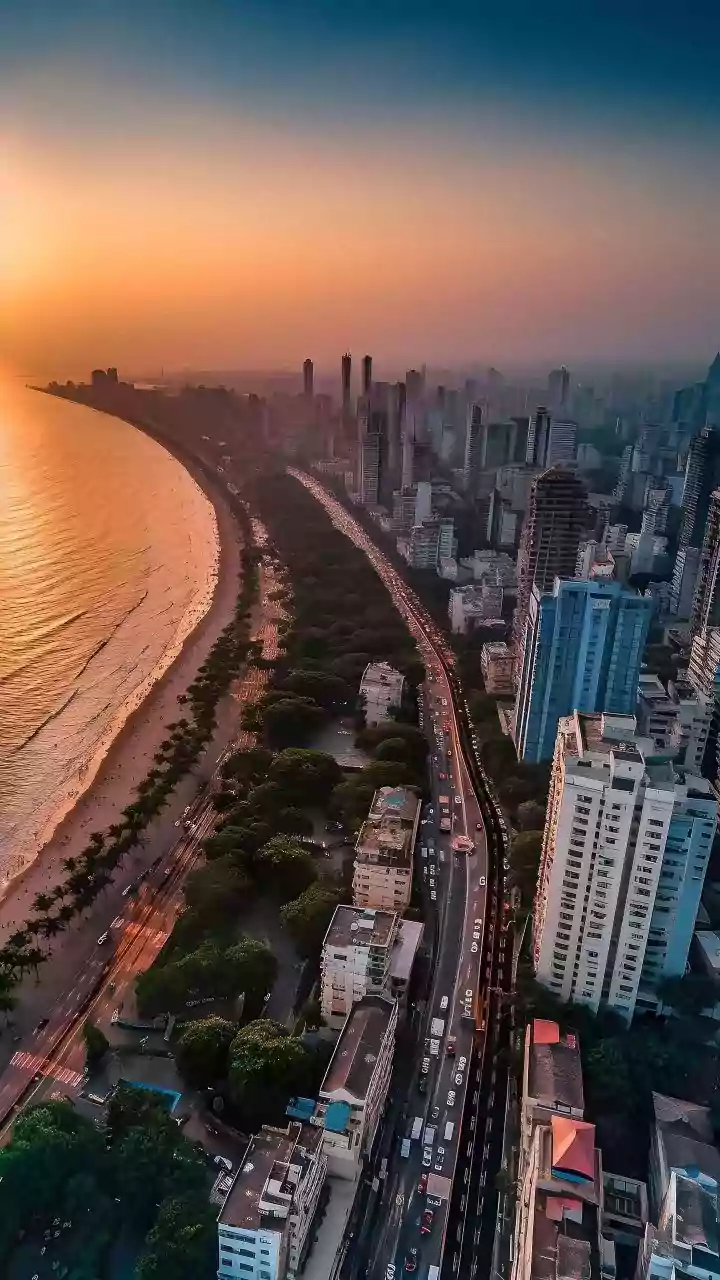
The magic of Kolkata's Durga Puja begins in the 'para'—the city's distinct neighbourhoods. These are more than just geographical areas; they are tight-knit social networks. Each para's Puja is organised by a local club or committee, a 'sarbojanin' effort
meaning 'for everyone'. This is where the world-famous pandals are born, not in a corporate boardroom, but in passionate meetings among neighbours. The para becomes the nucleus of activity, where residents—from seasoned elders to enthusiastic teenagers—gather to brainstorm, plan, and execute. This collective ownership is the first and most crucial ingredient, transforming a religious festival into a deeply personal community project. The UNESCO Intangible Cultural Heritage designation awarded in 2021 specifically recognised this democratic and inclusive community ethos as central to the festival's identity.
From Conception to Creation: A Year-Long Journey
The five days of the festival are the culmination of a process that starts almost as soon as the previous year's idols are immersed. Early in the year, para clubs begin discussing themes. For 2026, themes range from social messages like 'Shodhan' (purification) at Rajdanga Naba Uday Sangha to historical tributes like the 'Vande Mataram' theme at Santosh Mitra Square. Once a theme is chosen, artisans are commissioned, and months are spent turning concepts into reality. The entire neighbourhood buzzes with a sense of purpose. Volunteers manage logistics, artists fine-tune installations, and local businesses contribute in cash or kind. It's a collaborative ecosystem where every skill, from accounting to crowd management, is harnessed for the shared goal.
The Power of 'Chanda' and Collective Funding
While large corporate sponsorships have become common for the mega-pujas, the financial backbone for many community pandals remains 'chanda'—small, voluntary donations collected door-to-door from residents and local shopkeepers. This age-old practice does more than just raise funds; it reinforces the sense of collective ownership. When a family contributes, they aren't just donating; they are buying a stake in their para's pride. It ensures that even in an era of big budgets, the festival remains rooted in the community it serves. This grassroots funding is supplemented by everything from local business advertisements to government assistance, creating a mixed financial model that sustains the thousands of pujas across the city.
An Army of Neighbourhood Volunteers
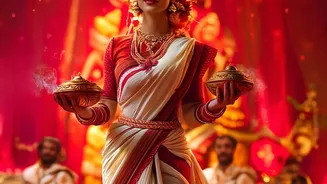
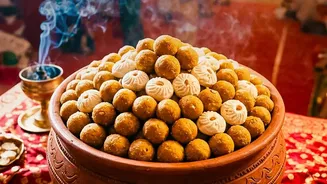
During the five days of Puja, the community clubs run like well-oiled machines, powered entirely by an army of volunteers. Youngsters take charge of crowd control, manage shoe counters, and assist visitors. Elders oversee the preparation and distribution of 'bhog'—the sacred food offering that is served to thousands, often from a common kitchen. Others run cultural programs in the evenings, featuring performances by local children and artists. Many committees in 2026 have also focused on social inclusion, creating special ramps and guides for disabled visitors or organising pandal visits for underprivileged children. This spirit of service ensures the pandal is not just an art installation but a living, breathing hub of social activity and care.
A Canvas for Community Identity
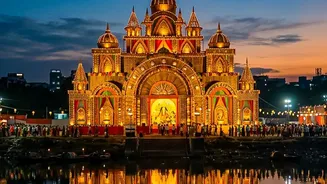
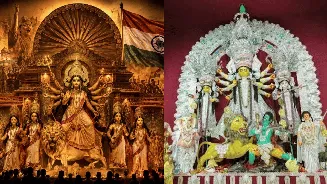
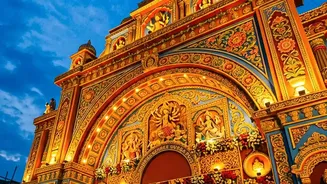
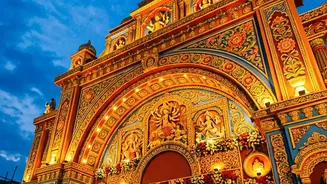
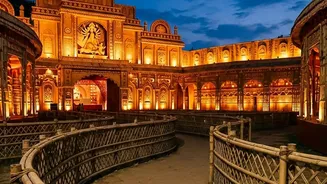
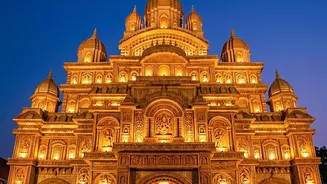
Ultimately, the pandal becomes a public canvas for the para's identity and aspirations. The chosen theme is a statement to the world. A pandal like Newtown Sarbojanin's 2026 'Padmabhusan' (lotus) theme speaks of a desire to connect with cultural heritage and spiritual purity. Meanwhile, Ballygunge Cultural's theme of 'Jojon' (Joining), which uses discarded materials, reflects a growing environmental consciousness. These artistic choices spark conversations and debates across the city, turning pandal hopping into a dynamic cultural dialogue. Each pandal is a story the community decides to tell about itself, its values, and its place in the world. It’s this act of collective storytelling that makes the pandal experience so much more than just a visual spectacle.