








Beyond the Daily Grind
The familiar aroma of roasted coffee beans in your favourite cafe is now mingling with the tangy scent of kombucha and the subtle earthiness of mushroom-infused brews. The cafe, once a haven for indulgence and caffeine hits, is transforming into a wellness
hub. This shift is part of a larger trend towards 'functional beverages'—drinks designed to deliver benefits beyond basic hydration or a simple energy boost. In India, the functional drinks market is booming, expected to grow at a compound annual growth rate (CAGR) of over 10% between 2026 and 2034. This surge is driven by a growing consumer focus on health, with gut health, in particular, becoming a major priority.
The Wellness-ification of Cafe Culture
Why the sudden pivot to gut-friendly concoctions? The trend reflects a broader cultural shift. Urban consumers, especially millennials and Gen Z, are increasingly proactive about their health, seeking out products that offer tangible benefits like improved digestion, better immunity, and sustained energy. This has led to a rising interest in probiotic and prebiotic drinks. Probiotics are beneficial live microorganisms, while prebiotics are fibres that feed these good bacteria. This isn't just a Western trend; it resonates deeply in India, where traditional fermented drinks like lassi, chhaas, and kanji have been staples for generations. Now, cafes are modernizing these concepts, packaging them for a new generation that values both wellness and convenience.
From Lattes to Living Cultures
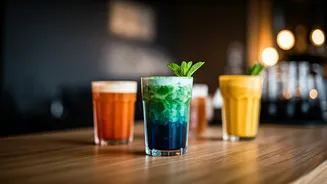
So, what does this new menu look like? Fermented drinks are leading the charge. Kombucha, a fizzy, tart tea, is becoming a common sight in cafe refrigerators across cities like Kolkata, Delhi, and Mumbai. Brands like Calbrew and Atmosphere are partnering with cafes to offer a range of flavours, from spicy ginger to blueberry lavender. Kefir, a fermented milk or water-based drink, is another rising star, prized for its creamy texture and diverse probiotic strains. Beyond fermentation, some cafes are experimenting with probiotic-fortified coffees, using special heat-resistant bacteria strains that can survive in a hot beverage. Prebiotic sodas, which contain fibre to nourish gut bacteria, are also gaining traction as a healthier alternative to sugary soft drinks.
Sip or Skip? The Science Behind the Trend
While the wellness claims are appealing, it's important to approach them with a dose of realism. Natural fermented drinks like kefir and kombucha are genuine sources of probiotics. However, the benefits of drinks with *added* probiotics can be less clear, as it's uncertain how many bacteria survive the journey through the stomach's acidic environment. Experts advise checking labels for specific, well-researched strains and Colony-Forming Units (CFUs) to gauge a product's potential effectiveness. It's also wise to be mindful of sugar content, as some flavoured beverages can contain significant amounts of added sugar, potentially counteracting the health benefits. Ultimately, while these drinks can be a positive addition to a balanced diet, they aren't a magic bullet for gut health.
An Indian Twist on a Global Trend
The functional beverage trend in India is unique because it blends global wellness movements with local traditions. Consumers are showing a strong preference for familiar, natural ingredients. Ayurvedic and herbal infusions featuring turmeric, tulsi, and ashwagandha are gaining popularity for their immunity-boosting and anti-inflammatory properties. This 'taste-health fusion' is key, with brands creating products that disguise functional benefits with appealing, natural flavours like mango-ashwagandha. Chefs and food entrepreneurs are reinterpreting traditional drinks like buttermilk and sharbat for modern cafe menus. This indicates that the future of cafe drinks in India isn't just about adopting international trends, but about celebrating and innovating upon its own rich heritage of wellness.